How to Photograph Drinks: A Restaurant Beverage Photo Checklist (2026)
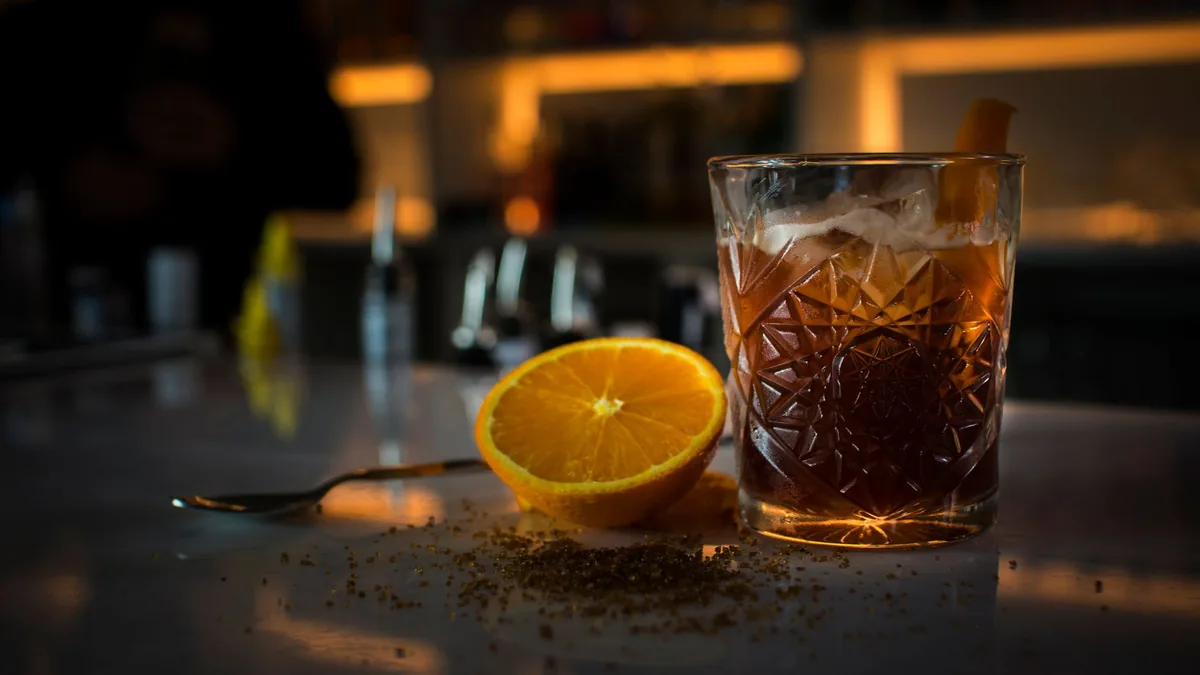
Drinks are the hardest thing on most restaurant menus to photograph well. Where a plate of food is forgiving, a glass is reflective, transparent, and quick to fall apart — reflections streak across it, glare blows out the highlights, ice melts, and condensation turns into a mess. This checklist shows you how to photograph drinks that look premium and real, whether you’re shooting cocktails, coffee, or smoothies.
The whole game with beverage photography is control: control the reflections, control the glass, and control the moment before the drink starts to die.
The core problem: glass reflects everything
A glass is a mirror with a shape. Every light, every window, and sometimes your own phone shows up on its surface. The goal isn’t to eliminate reflections — a little controlled reflection defines the glass and makes it read as glass. The goal is to replace ugly, random glare with clean, intentional reflections.
Two moves fix most reflection problems:
- Use a large, soft light source. A small bright light creates hard white streaks. A big soft source (a window, a diffused softbox) wraps the glass smoothly.
- Rotate the glass or move the light. Small adjustments — turning the glass an inch, sliding the light a few degrees — make harsh reflection lines slide off the surface. Watch the glass live and stop when it looks clean.
The setup that works for almost any drink
You can shoot an entire beverage menu with one repeatable station:
- Side light, soft — window light or a diffused source from one side, never harsh and never directly in front.
- A background matched to the drink: dark for cocktails and spirits (the glass and color pop), light for coffee, smoothies, and bright beverages.
- A small reflector (white card or foam board) on the opposite side to lift shadows so the dark side of the glass doesn’t go muddy.
That’s the whole rig. Side light plus a reflector plus the right background carries cocktails, lattes, iced tea, and smoothies alike. It’s the same consistency-first thinking behind a good weekly photo sprint — one station, many items.
The drink checklist (run this on every glass)
Before you shoot, confirm:
- The glass is spotless. Wipe fingerprints and smudges — they show up huge on camera and read as dirty.
- Ice looks fresh, not melted. Use fresh, clear ice and shoot fast. Half-melted ice signals a drink that’s been sitting.
- The garnish is intentional. A clean citrus twist, a deliberate mint sprig, a precise rim — placed, not dropped.
- No harsh glare lines cut across the glass. Adjust the glass or light until reflections are clean.
- Condensation is believable, not messy. A light, even mist on a cold glass reads “refreshing.” A soaked, dripping table reads “sloppy.” Chill the glass, mist lightly if needed, and shoot before droplets run together.
Cocktails vs. coffee vs. smoothies
Each category has a slightly different priority:
- Cocktails: color and clarity are the story. Dark background, clean garnish, one controlled highlight on the glass. Shoot quickly — citrus oils dull and ice clouds.
- Coffee: texture and warmth. Light background, capture crema or latte art sharp, a hint of steam if you can get it. Avoid yellow-cast overhead light that makes coffee look murky.
- Smoothies and juices: vibrancy and freshness. Light background, bright even light, and a clean rim. The color is the product, so accurate color matters most.
Shoot fast: drinks have a clock
Unlike a plated dish, a drink degrades on a timer. Ice melts and clouds, condensation pools, foam collapses, and garnishes wilt. Set your frame, focus, exposure, and background before the drink is made, test on an empty or stand-in glass, then bring in the hero and shoot two or three frames immediately. If you miss it, remake the drink rather than trying to rescue a dead one in editing.
A fast batch workflow
To photograph a whole beverage menu efficiently:
- Prep clean glassware, fresh ice, and pre-cut garnishes for every drink.
- Lock the station: side light, reflector, background, framing.
- Shoot 10 or more drinks in one session, two or three frames each.
- Enhance for clarity and color consistency, then export menu and social sizes together.
That last step is where a lot of drink photos are won or lost. Glass and ice are exactly the surfaces where lighting and color need a clean final pass.
Where enhancement helps with drinks
Even a well-lit drink photo often needs a consistent finish — color matched across the menu, the glass cleaned up, the background tidied, the highlight balanced. FoodPhoto.ai takes a real photo of your real drink and improves lighting, background, color, and gloss without changing the beverage, so a cocktail and a latte shot on different days still look like one menu. For drinks especially, that honest, consistent finish is the difference between “premium” and “phone snapshot.” Try it on your signature cocktail in the Menu Test Pack.
For the broader system of choosing one consistent look, pair this with our guide to the best food photography styles for social media so your drink photos match the rest of your feed.
Common drink-photo mistakes (and the fix for each)
A few patterns sink most restaurant beverage photos. Catch them before you shoot:
- Front light blowing out the glass. A light pointed straight at the drink creates a hard hot spot. Fix: move it to the side and soften it.
- Fingerprints and smudges. They look small in person and enormous on camera. Fix: wipe every glass with a lint-free cloth right before the shot.
- Melted or cloudy ice. It signals a drink that’s been sitting. Fix: use fresh, clear ice and shoot within a minute.
- A soaked, dripping surface. Reads sloppy, not refreshing. Fix: keep condensation light and even, and wipe the base of the glass.
- Yellow-cast coffee. Overhead kitchen light turns coffee murky brown. Fix: shoot near a window and correct color in the final pass.
- Cluttered backgrounds. Bottles, napkins, and clutter pull focus from the drink. Fix: clear the frame and let negative space carry the shot.
Run this list mentally on every glass and your hit rate climbs immediately.
Quick wins for your drink menu
- Reshoot any cocktail currently lit from the front — move the light to the side.
- Wipe and re-shoot any glass with visible fingerprints.
- Replace melted-ice photos with fresh-ice frames.
- Match your drink backgrounds to a single dark-for-cocktails, light-for-coffee rule.
Great drink photos come from control, not gear — soft side light, a clean glass, and a fast trigger finger. When you’re ready to make every drink on the menu look consistent and premium without a studio, see pricing and start with the drink you most want to sell.
Frequently asked questions
How do I photograph drinks without glare on the glass?
Use a large, soft side light instead of a small bright source, and rotate the glass or move the light a few inches until the harsh reflection lines disappear. A clean, controlled reflection that defines the glass shape is good; a hot white streak across it is not. Soft window light through a sheer curtain works well.
What background works best for drink photography?
Use a dark background for cocktails and spirits to make the glass and color pop, and a light background for coffee, smoothies, and bright beverages. Keep the surface clean and uncluttered so the drink is the obvious subject, and add a small reflector to lift shadows.
How do I make condensation look good in drink photos?
Aim for believable, even condensation on a cold glass — a light, fresh mist — not a messy wet table. Chill the glass, mist lightly if needed, and shoot quickly before droplets run together. A dripping, soaked surface reads as sloppy rather than refreshing.
Can I photograph an entire drink menu in one session?
Yes. Set up one consistent side-lit station, prep clean glassware and fresh garnishes, and shoot 10 or more drinks in a single batch. Then enhance and export menu and social sizes together so the whole beverage menu looks like one brand.