How to Photograph Ice Cream and Desserts on a Phone (2026): A Melt-Proof Checklist
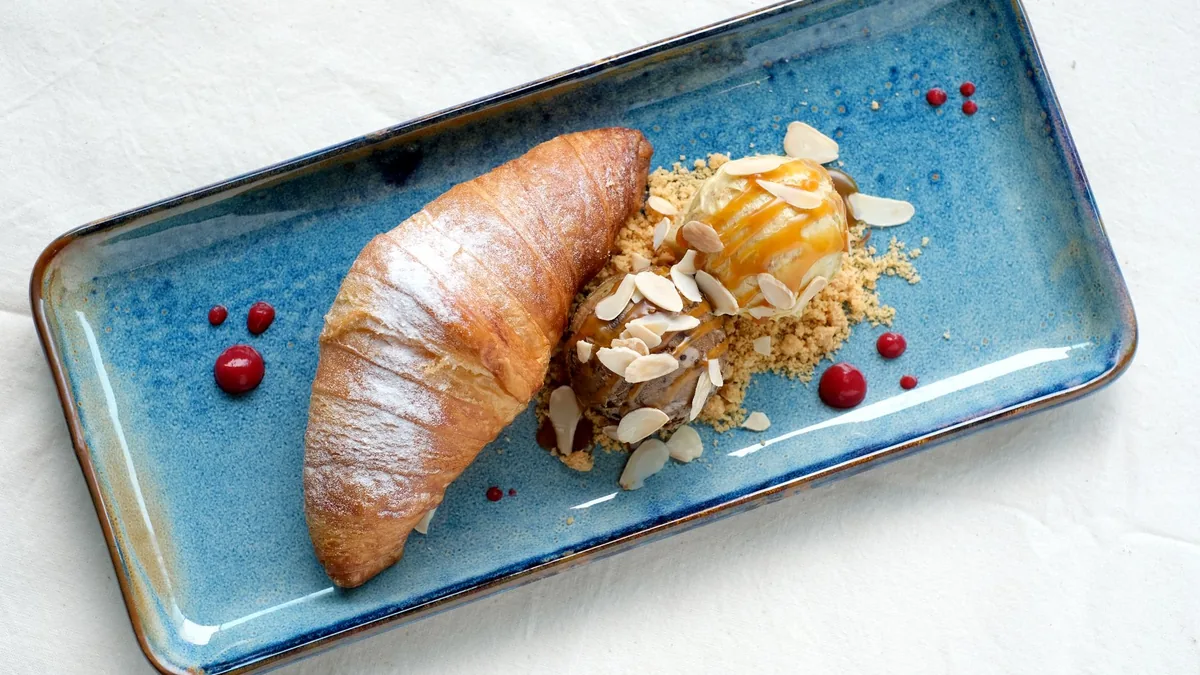
Desserts are the hardest food to photograph for one simple reason: they fall apart while you shoot. Ice cream melts, glazes slump, and whipped cream deflates in under a minute. The fix isn’t a faster camera — it’s a melt-proof routine. This 2026 checklist shows how to photograph ice cream and desserts on a phone by staging the whole shot before the dessert ever arrives, so you capture a clean, craveable frame before gravity wins.
The core rule: stage first, then plate
The single biggest mistake is bringing the dessert out and then figuring out the shot. By the time you’ve adjusted the light and propped the frame, your scoop is soup. Reverse the order.
Before the dessert leaves the freezer or pass, set up everything:
- Background chosen and clean.
- Light direction set — soft and indirect.
- Props minimal — one spoon is plenty.
- Phone ready and lens wiped (a smudged lens is the silent killer of dessert shots).
When the station is fully staged, the dessert is only exposed for the seconds it takes to shoot.
The dessert checklist
Run this every time, in order:
- Clean edges. Wipe the plate and any drips before you shoot. Stray smears read as messy, not appetizing.
- Intentional garnish. Mint, a dusting of powder, or a few berries — placed, not scattered.
- Visible texture. Make sure crumb, layers, or scoop edges are clearly shown; texture is what sells dessert.
- No harsh glare lines. Break up reflections on glossy surfaces with soft light and a slight angle.
Clean edges and visible texture are the two things that separate a premium dessert photo from a sloppy one.
Ice cream specifics
Ice cream is the most time-sensitive subject in your entire menu. Treat it like a sprint:
- Keep it cold until the last second. Don’t pull it until the frame is ready.
- Shoot fast — 6 to 10 frames in quick succession at a 45-degree angle.
- Pick the sharpest, cleanest frame afterward, not during.
A few practical tricks: chill the bowl beforehand so the base doesn’t melt on contact, and have a backup scoop ready if the first one starts to slump before you nail focus.
Controlling shine on glazes and syrups
Glossy desserts — chocolate sauce, caramel, glazed donuts — live or die on how their shine reads. A little controlled gloss looks fresh; a blown-out hot spot looks wet and unappetizing.
- Use soft, indirect light, never hard direct light or flash.
- Angle the dessert or your phone slightly to push harsh glare lines off the hero area.
- Protect highlights — if your phone has exposure control, drag it down a touch so the gloss keeps detail instead of clipping to pure white.
Best angles for desserts
- 45 degrees — the workhorse. Best for height, layers, and scoop edges on sundaes, cakes, and parfaits.
- Close texture shot — optional but powerful for crave appeal: tight on the crumb, the drizzle, or the melt.
- Overhead — useful for flat plated desserts and tart-style items, less so for tall ones.
For the broader phone fundamentals behind these angles, see restaurant menu photos without a photographer and the best camera settings for food photos.
Make it menu-ready (one master, every channel)
Once you have the cleanest frame, you want it consistent everywhere — your menu, delivery apps, Google, and social. The trick is to export every crop from one master image so the dessert looks the same across channels.
This is where enhancement does the heavy lifting that melting won’t let you do live. FoodPhoto.ai takes your real phone photo of your real dessert and fixes lighting, color, gloss, and crop without changing the dessert. It’s honest enhancement, not fabrication — so the sundae in the photo is the sundae in the cup. That matters even more for desserts, where shine and freshness are the whole pitch. Try it on one of your desserts with the paid Menu Test Pack, and for the delivery crops specifically, check our Uber Eats photo requirements guide.
Dessert-by-dessert tips
Different sweets fail in different ways. A few specifics:
- Layered cakes and parfaits. Shoot at 45° so the layers are visible — that cross-section is the entire appeal. A clean vertical slice on the plate shows the crumb and filling far better than an intact whole.
- Pastries and croissants. Texture is everything. Light from the side, not the front, so the flaky surface casts tiny shadows that read as crispness. Frontal light flattens them into a beige blob.
- Plated desserts with sauce. Pour or drizzle the sauce after the frame is staged, and shoot within seconds before it spreads and dulls.
- Milkshakes and floats. Condensation on the glass reads as “cold,” so shoot quickly while the glass is still frosted, and keep the topping tidy.
- Hot-and-cold desserts (warm brownie with ice cream). These are the hardest — the cold melts and the warm steams. Stage the warm element first, add the scoop last, and shoot immediately.
The thread through all of them: stage everything, add the fragile element last, and shoot fast.
Common dessert-photo mistakes (and the quick fix)
These are the errors that quietly ruin dessert shots even when the staging is good:
- Smudged lens. The single most common cause of a soft, hazy dessert photo. Wipe the lens with a microfiber cloth before every session — pocket lint and fingerprints kill the gloss you’re trying to capture.
- Shooting too slowly. If your capture takes more than a minute, you’re photographing a melting dessert, not a fresh one. Have the frame fully built before the scoop arrives.
- Hard top-down light on tall desserts. Overhead light flattens height and dumps glare on the highest point. Use soft side light for sundaes, cakes, and parfaits.
- Over-garnishing. A blizzard of berries and mint that the real serving never includes is a trust problem, not a styling win. Garnish to match the plate that ships.
- Clipped highlights on syrup. When the chocolate or caramel blows out to pure white, it reads as wet, not glossy. Pull exposure down a touch and let the shine keep detail.
Props and surfaces for desserts
Desserts photograph best against backgrounds that let the color and shine of the dessert lead. A few practical rules:
- Keep the surface simple and slightly darker than the dessert for ice cream and pale pastries, so the light tones pop instead of washing out.
- Cold cues sell cold desserts. A frosted glass, condensation, or a chilled metal dish reinforces “freezer-fresh” — but capture them fast, before they fog or warm.
- One prop, placed with intent. A single spoon, a folded napkin, or a few loose crumbs suggests a moment without cluttering the frame.
- Match the prop to the price point. A rustic wooden board suits a bakery croissant; a clean ceramic or slate suits a plated restaurant dessert.
Why honest dessert photos matter more
Desserts are impulse buys, and the photo is the entire pitch. But an over-faked dessert photo backfires hard: a sundae that looks twice the real size, or a “fresh” pastry that arrives flat, generates exactly the kind of disappointment that turns into one-star reviews and refund requests. That’s why honest enhancement beats fabrication for menu work — the goal is to make your real dessert look its genuine best, not to invent a dessert you don’t serve. Customers reward the match between photo and plate with repeat orders.
A 60-second dessert shoot, start to finish
- Stage the background, light, prop, and clean your lens.
- Pull the dessert; wipe drips and place the garnish.
- Shoot 6–10 frames at 45° in soft light.
- Pick the cleanest frame.
- Enhance and export the crops per channel.
Done before the second scoop melts.
The takeaway
Photographing ice cream and desserts on a phone is a race, and staging is how you win it. Set up the entire shot before the dessert arrives, shoot fast at 45°, control your shine, and let an enhancement step finish the gloss and color. You’ll get craveable, menu-ready dessert photos without a single melted disaster.
Try it on one of your desserts with the Menu Test Pack, and when you’re ready to make every sweet on the menu look its best, pricing starts at $10 for a 5-photo Menu Test Pack with plans from $15/month.
Frequently asked questions
How do you photograph ice cream before it melts?
Stage everything first — background, light direction, props, and a cleaned phone lens — before the ice cream leaves the freezer. Bring it out at the last second, shoot 6 to 10 frames quickly at a 45-degree angle, then pick the sharpest, cleanest frame. The whole capture should take under a minute.
What's the best angle for dessert photos?
A 45-degree angle works best for height and layers like sundaes, cakes, and parfaits, because it shows the scoop edges and stacking. Add one close texture shot for crave appeal when the crumb, drizzle, or scoop detail is the selling point.
How do I control glare on glossy desserts and syrups?
Use soft, indirect light instead of a hard source or flash, and angle the dessert or your phone slightly to break up harsh glare lines on glazes and syrups. A little controlled shine reads as fresh; a blown-out highlight reads as wet and messy.
Can I take menu-ready dessert photos with just a phone?
Yes. A phone, soft light, a clean frame, and fast capture handle ice cream and desserts well. An enhancement step then fixes color, gloss, and crop without changing the dessert, so the menu photo matches what you serve.