Pizza Photography for Delivery Apps in 2026: A Working Operator’s Guide
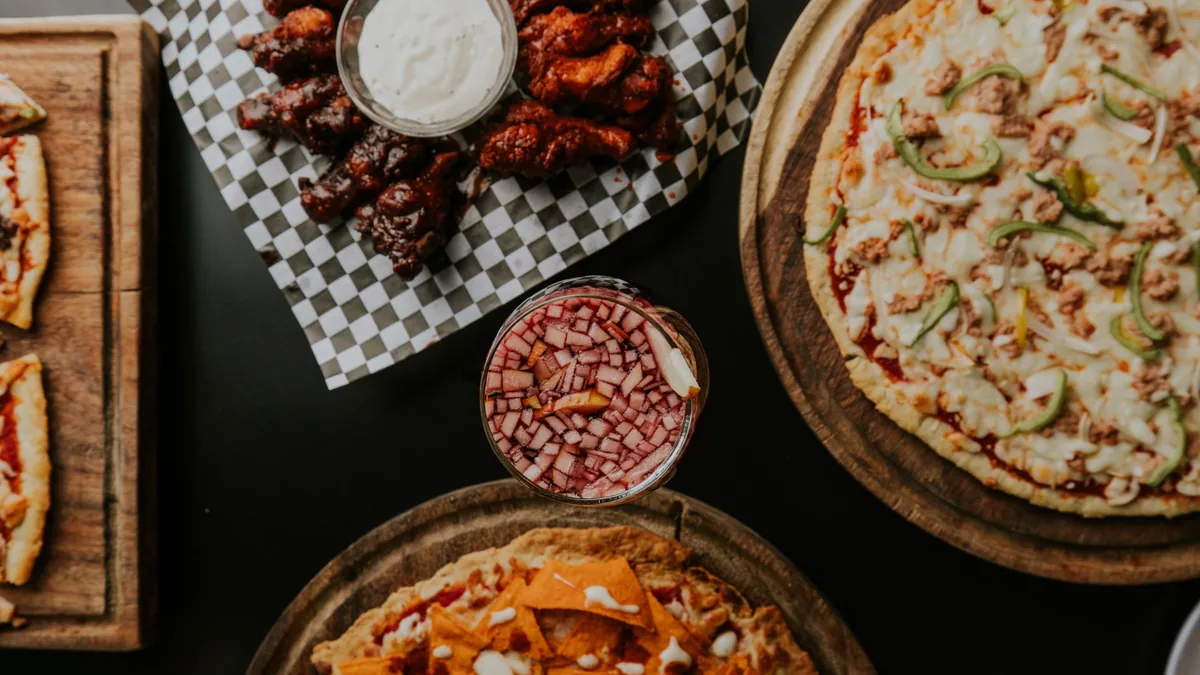
Pizza is the most-ordered food on every major delivery platform, and it is also one of the easiest foods to photograph badly. The reason most pizza photos underperform is simple: operators shoot for Instagram and upload to a delivery app, and those are not the same job. Pizza photography for delivery apps in 2026 is about one thing above all, making a round, detail-rich product instantly readable at the size of a postage stamp while competitors sit right next to you on the same screen. This is the working playbook.
Why pizza is the hardest category to shoot for delivery
Pizza has critical detail in three places at once: the crust edge, the cheese coverage, and the toppings. A dramatic 35-degree hero angle makes one of those look great and hides the other two. On a square thumbnail, hiding two of three is the difference between an order and a scroll-past.
The other trap is copying the national chains. Brands like Domino's and Pizza Hut shoot tilted, dripping, dramatic pizza because the photo reinforces a brand the customer already recognizes. An independent pizzeria does not have that recognition. Your photo has to do the entire job of explaining what the pizza is, at thumbnail size, against three competitors on the same screen.
The cheese pull is overrated
The cheese pull is built for Instagram saves and almost nothing else. It is inconsistent across doughs (Neapolitan barely stretches, New York pulls look nearly identical every time), and the angle that captures a pull often captures a half-eaten pie, which under-sells the product. On delivery apps, where people are usually confirming what the pizza is rather than being seduced by it, a clean top-down generally beats a cheese-pull hero. Save the pull for social, not your menu thumbnail.
The top-down rule (and the one exception)
The default for delivery-app pizza is top-down, full pizza, edge to edge, with about an 8% margin on each side. The customer needs to read three things instantly:
- The full crust edge, including any char or leoparding.
- The cheese coverage pattern, because gaps and pools signal "well-made" or "skimped" in a quarter-second.
- Every topping, individually identifiable.
The exception is any pizza whose defining feature is height: deep dish, Detroit, stuffed crust. For those, shoot a paired set, a top-down for the thumbnail plus a 45-degree side profile for the detail page. Two images per SKU. Do not ask one image to do both jobs.
Color management: the part nobody mentions
Pizza has three colors that are almost impossible to nail at once: the red of the sauce, the gold-brown of the cheese, and the dark char of the crust. A camera auto-exposing on the cheese blows the sauce out to orange and crushes the char to black. The fixes:
- Lock white balance to your oven's output rather than letting auto-white-balance chase the warm restaurant lights. Calibrate once and write your numbers down.
- Name the colors explicitly when you enhance: tomato sauce in a true San Marzano red, mozzarella in golden ivory with light caramelization, crust with dark char on a wheat-tan base.
- Correct the sauce back to true red. Sauce that reads orange makes a fresh pie look reheated, and customers cannot articulate why they did not click. They just do not.
Color accuracy is one of the highest-leverage fixes in pizza photography, and it is exactly the kind of correction honest enhancement handles well without touching the actual product.
Composition for square and portrait crops
Every delivery app crops differently, and most crop more than once. Square thumbnails in menu lists, portrait or 16:9 on detail pages and carousels. Upload a single landscape hero and every platform silently amputates the image.
The fix is to compose every pizza shot inside an imaginary 4:5 portrait frame with the pizza centered. That gives safe edges for the squares without slicing toppings on the portraits. Mark the frame with tape where the tripod stands so every shot matches.
For platforms that allow multiple images per SKU, order matters: image one is the top-down full pizza, image two is a slice being lifted to show the cross-section, image three is a tight topping detail. The marginal cost of producing that sequence in an enhancement workflow is essentially zero. For the exact platform sizes, see our DoorDash and Uber Eats photo requirements guide.
Lighting that makes pizza look fresh
Pizza loses visual freshness fast: cheese sets and dulls within a few minutes, and char absorbs ambient light and reads dead. The reliable trick is to cross-light from the back-left at a low angle with a fill bounce on the right. The back-left key brings out cheese texture and topping topography; the fill keeps the front from going muddy.
On a phone, that means pizza on a table next to a window, window behind and to the left, with white foamcore (or a flattened pizza box, which works fine) propped on the right. If your only light is overhead fluorescents, do not fight it on the spot. Shoot a clean phone reference and fix the lighting in enhancement instead.
The props trap
The most common mistake in pizzeria photography is mismatched props. A neighborhood slice shop shoots on herringbone marble with brass cutters and stemless wine glasses; the photo looks gorgeous and looks like a different restaurant. The customer gets the pizza in a paper-lined cardboard box and feels mildly let down. They do not complain; they just do not reorder.
The rule: props must match or under-state your actual venue. If you serve on metal tray-stands with paper liners, shoot on a metal tray with a paper liner. Ghost-kitchen brands trip up worst here, over-producing with slate boards and dramatic backdrops because there is no physical venue to anchor the look. Strip it back to a clean white box and a neutral surface. People order delivery to eat at home, and they want the pizza to look like it will arrive at their home, not at a wine bar.
Why your phone shot is bad (and what enhancement fixes)
Your phone shot underperforms for predictable reasons: a wide lens distorts the crust into an oval, auto-exposure picks the cheese and crushes the rest, and white balance reads the warm room and tints everything yellow-orange. Honest enhancement fixes the things that are about the photo, not the food: lens distortion, color cast, white balance, exposure across the three critical zones, and clean freshness cues. FoodPhoto.ai does exactly this on a real photo of your real pizza.
What it does not fix: an under-baked or burned pie, a useless shooting angle (you cannot recover a top-down from a side shot), or missing toppings the menu promised. Garbage in still produces garbage. Fix the product and the angle first, then let enhancement clean up the photo. One more caution: avoid making a pizza look "too perfect," with suspiciously symmetrical pepperoni and aesthetically placed char, which can read as fake on premium SKUs. A little honest asymmetry sells better.
The 5-shot starter pack any pizzeria can use
If you do nothing else, shoot these five on each of your three best-selling pies this week:
- Top-down, full pizza. Phone clamp directly above, lens parallel to the surface, pizza centered in a 4:5 imaginary frame. This is your menu thumbnail.
- Single slice lift. Pull one slice halfway out, fingers out of frame, cross-section visible. This is your detail-page hero.
- Edge-detail crop. Tight on the crust edge: char, leoparding, signature finish. This sells the craft.
- Topping detail. Tight crop on the busiest part of the pie. This sells the value.
- In-context shot. Pizza in its actual delivery box on a table that looks like a customer's. This sets honest expectations and is the shot most pizzerias are missing entirely.
You can shoot all five on a phone in about 15 minutes per pie, run them through an enhancement pass, and upload the right shot to the right platform slot.
Honest caveats
Top-down is not universal: layered or stuffed products need a height shot, which the paired-shot approach solves at the cost of a little production complexity. And photography is a multiplier on a real product, not a rescue for one. If your pizza is not something customers want to eat twice, better photos will not save it. Fix the product first, then make the pictures honest and clear.
For the wider framework behind a consistent menu, see our restaurant photo style guide, and for the full operator workflow, the menu photography operator's guide.
Shoot top-down, get the color right, match your props to reality, and export the crop each app actually needs. Try the Menu Test Pack on your three best sellers and compare the before and after, then see pricing when you are ready to rebuild the whole menu.
FAQ
What is the best angle for pizza delivery app photos?
Top-down is usually the safest hero angle because it shows crust, toppings, cheese coverage, and the full pizza inside square or portrait crops.
Why do pizza photos often look orange or stale?
Warm restaurant lights and auto white balance can push sauce and cheese too orange. Locking color and correcting white balance keeps pizza fresh-looking.
How many pizza photos should a delivery listing use?
Start with five: full top-down pizza, slice lift, crust detail, topping detail, and one honest in-context delivery-box shot.
Should pizza photos show props?
Use props only if they match the real customer experience. Props that imply a dine-in setup can create distrust for delivery orders.
Look up the size and crop rules for your delivery apps in the delivery app photo size & requirements hub.