

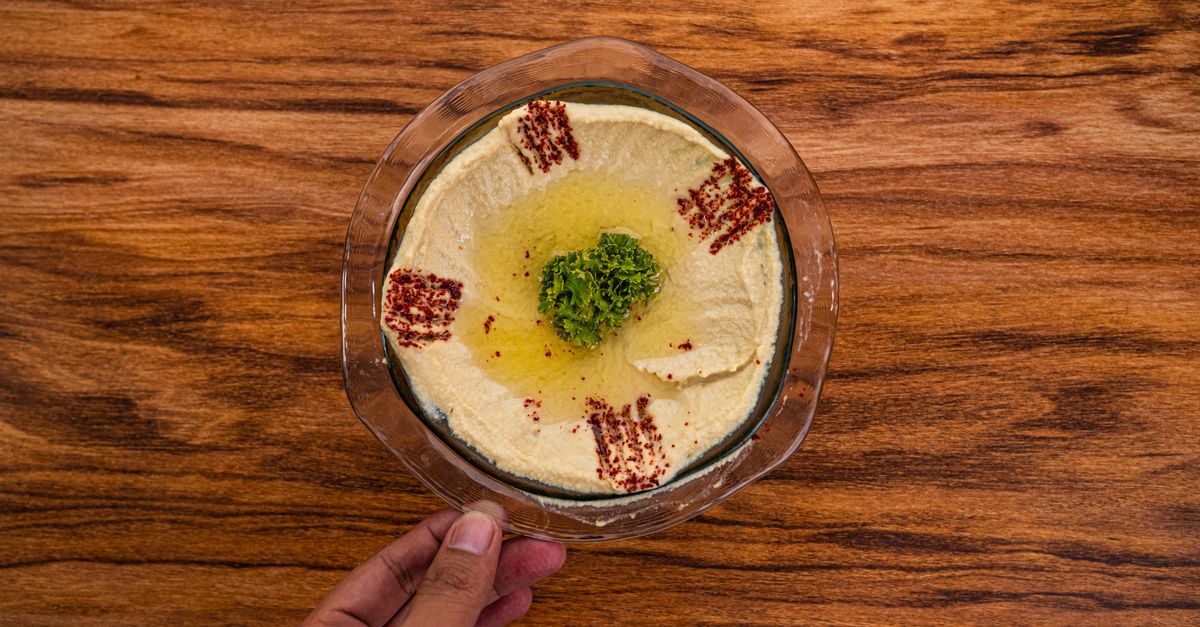
 Photo by Garley Gibson via Pexels
Dish photography guide
Hummus Food Photography: Angles, Lighting & AI Editing (2026)
Hummus food photography: the best angles, lighting, and AI editing workflow to turn a real phone shot into a menu-ready hummus photo for delivery apps, websites, Google Business Profile, and printed menus.
Quick answer
For Hummus, start with a Overhead angle, use natural lighting for fresh, healthy look. show olive oil gloss. Then enhance the real photo with FoodPhoto.ai for clean crop, color, relighting, and background cleanup without changing the dish.
- Best angle: Overhead
- Other useful angles: Overhead and 45 Degree
- Category: Appetizers
- Cuisines: Middle Eastern and Mediterranean
- Recommended presets: Bright Airy, Overhead Flatlay, Natural Light and Minimalist Clean
Why Hummus needs a dish-specific photo workflow
Hummus sits in the appetizers category and appears across 2 cuisines (Middle Eastern and Mediterranean). Show smooth texture, olive oil drizzle, paprika, chickpeas garnish. Pita bread for dipping. Swirl pattern on top.
A generic restaurant photo process often misses the details that make hummus sell: the texture, sauce gloss, color balance, crop, and the part of the dish customers recognize first. FoodPhoto.ai is built for real restaurant operators who need consistent menu images from phone photos, not fabricated food that disappoints customers.
Best angles for Hummus
The angles that sell hummus fastest on a menu thumbnail are the ones that show the key details. Lead with a Overhead shot, then use alternates when you need variety across a category page, delivery app gallery, social post, or printed menu.
- Overhead: Use for hummus hero shots, platform thumbnails, and menu cards when that crop best shows the dish structure.
- 45 Degree: Use for hummus hero shots, platform thumbnails, and menu cards when that crop best shows the dish structure.
Lighting for Hummus
Natural lighting for fresh, healthy look. Show olive oil gloss. The practical target is a bright, appetizing image that still looks like the real hummus: readable shadows, controlled highlights, accurate color, and no fake ingredients. If the kitchen light is mixed or harsh, shoot near a window or use a simple continuous light, then correct the final image in the editor.
AI editing workflow for Hummus
Shoot your real hummus, upload it to FoodPhoto.ai, and use the recommended presets for this dish: Bright Airy, Overhead Flatlay, Natural Light and Minimalist Clean. The editor improves relighting, background cleanup, crop, color, and texture consistency so the same source photo can be used for DoorDash, Uber Eats, Grubhub, Google Business Profile, a website menu, and a printed menu.
The important trust rule is simple: enhance the real image, do not change the dish. The photo should make the hummus easier to understand and more appetizing, while preserving ingredients, portion size, and presentation.
Hummus for delivery apps and menus
On delivery apps, the thumbnail is often what earns the tap before a customer reads the description. Because Hummus belongs to Middle Eastern and Mediterranean cooking, keep styling consistent with guest expectations: accurate color, clean background, and a crop that shows the dish clearly at small size.
Export a square crop for app listings, a wider hero image for your own website, and a social crop for campaigns. That one disciplined workflow keeps the full menu visually consistent without booking a new shoot for every special.
Frequently asked questions
What's the best angle to photograph Hummus?
Lead with a Overhead shot of hummus. Show smooth texture, olive oil drizzle, paprika, chickpeas garnish. Pita bread for dipping. Swirl pattern on top. Keep 45 Degree as alternates so the menu set has variety.
How should I light Hummus?
Natural lighting for fresh, healthy look. Show olive oil gloss. The goal is even, appetizing light that shows the real texture and color of the hummus without flat shadows or harsh glare.
Can AI edit my Hummus phone photo?
Yes. Upload a real hummus photo and FoodPhoto.ai handles relighting, background cleanup, color correction and crop. It enhances the existing image without changing the food, ingredients, or portion.
What background works for Hummus?
Use a clean surface, props that fit Middle Eastern and Mediterranean presentation, and enough margin for square and landscape crops. Busy backgrounds are harder to read in DoorDash, Uber Eats, and Grubhub thumbnails.
How do I make Hummus photos for delivery apps?
Shoot hummus at the Overhead angle with the lighting above, run the real photo through FoodPhoto.ai, and export a clean square image for listings plus a wider crop for your website and Google Business Profile.
Related resources
- All dish photography guides - Browse the restored dish-by-dish photo library.
- FoodPhoto.ai pricing - Start with paid credits for real menu photo enhancement.
- Delivery platform photo specs - DoorDash, Uber Eats, Grubhub and international platform requirements.
- Nachos food photography - Show layers of chips, cheese, toppings. Melted cheese drips. Colorful toppings - jalapeños, tomatoes, sour cream, guacamole.
- Dumplings food photography - Show pleated folds, arrange in steamer or on plate. Dipping sauce. Steam if hot. Show variety - steamed, fried, in soup.
- Guacamole food photography - Show texture of mashed avocado, chunks, tomatoes, onions, cilantro. Tortilla chips for dipping. Fresh lime.
- Spring Rolls food photography - Show translucent wrapper with ingredients visible. Arrange in line or pattern. Dipping sauce. Fresh herbs visible through wrapper.
- Mozzarella Sticks food photography - Show golden breading, cheese pull. Marinara sauce for dipping. Stack or arrange showing quantity. One broken for cheese pull.
- Phone Food Photography Guide - Related FoodPhoto.ai operator guide.
- Delivery App Photo QA Checklist - Related FoodPhoto.ai operator guide.
- Restaurant Photo Style Guide - Related FoodPhoto.ai operator guide.
Ready to produce menu-ready hummus photos?
Use FoodPhoto.ai to turn real phone shots into consistent, paid-credit menu photos for delivery apps, websites, and campaigns.