Steakhouse menu photos worthy of a $85 ribeye
Dry-aged ribeye, filet, porterhouse, side classics. Phone pics in, menu-grade out — Maillard crust preserved, doneness accurate.
How it works
Shoot the menu
Steak hero, side classics, salads, dessert plates — phone camera fine.
Apply the steakhouse preset
Maillard crust, doneness interior, dry-age color, butter gloss.
Export everywhere
OpenTable, Resy, Tock, DoorDash — all crops in one pass.
Pricing vs a human photographer
| Option | 30-item steakhouse menu | Seasonal special |
|---|---|---|
| Food photographer | $3,500–$10,000 | $250–$600 per item |
| FoodPhoto.ai | $2.99 Try Pack + top-ups | 1 credit per shot |
Examples
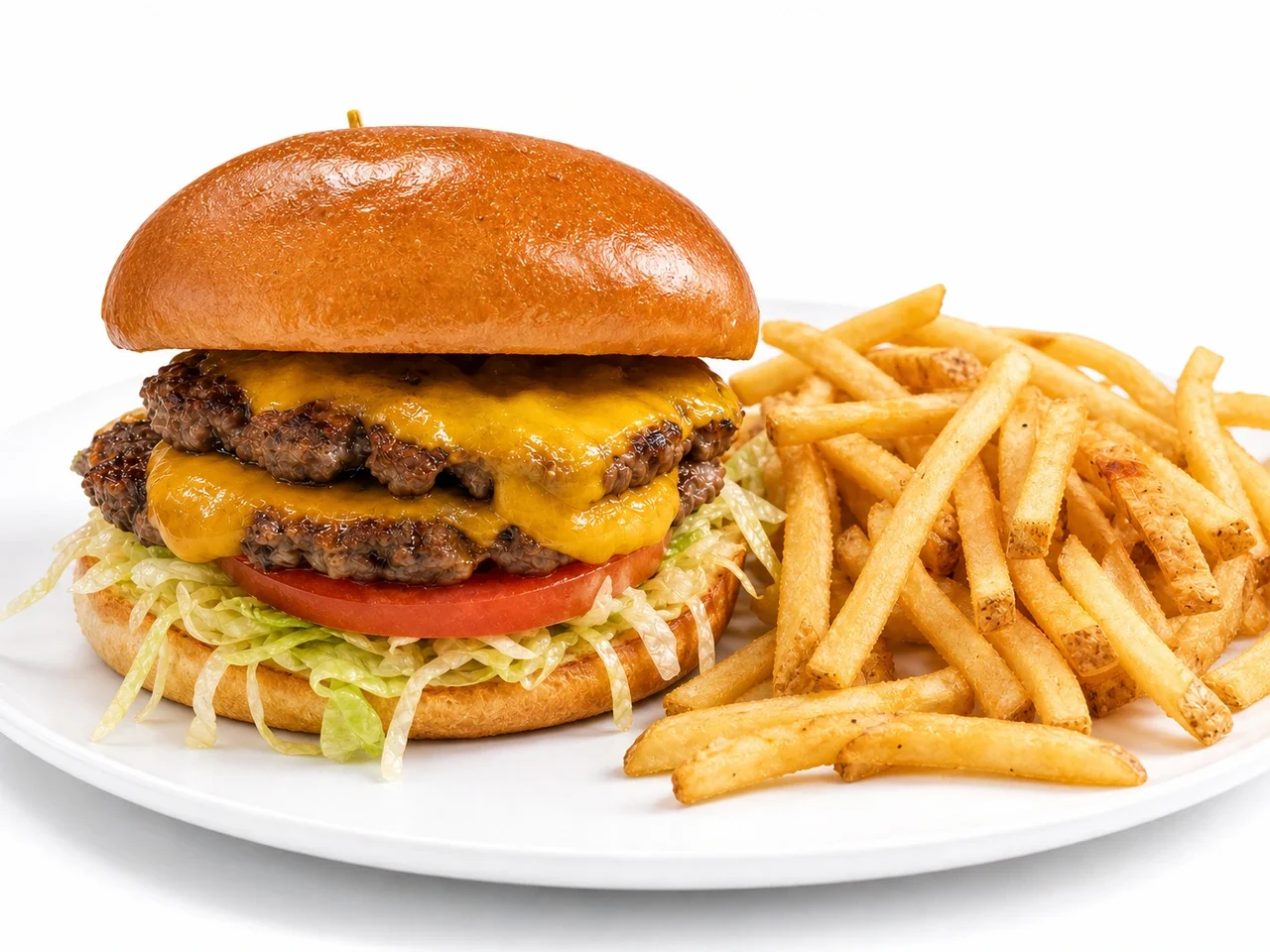
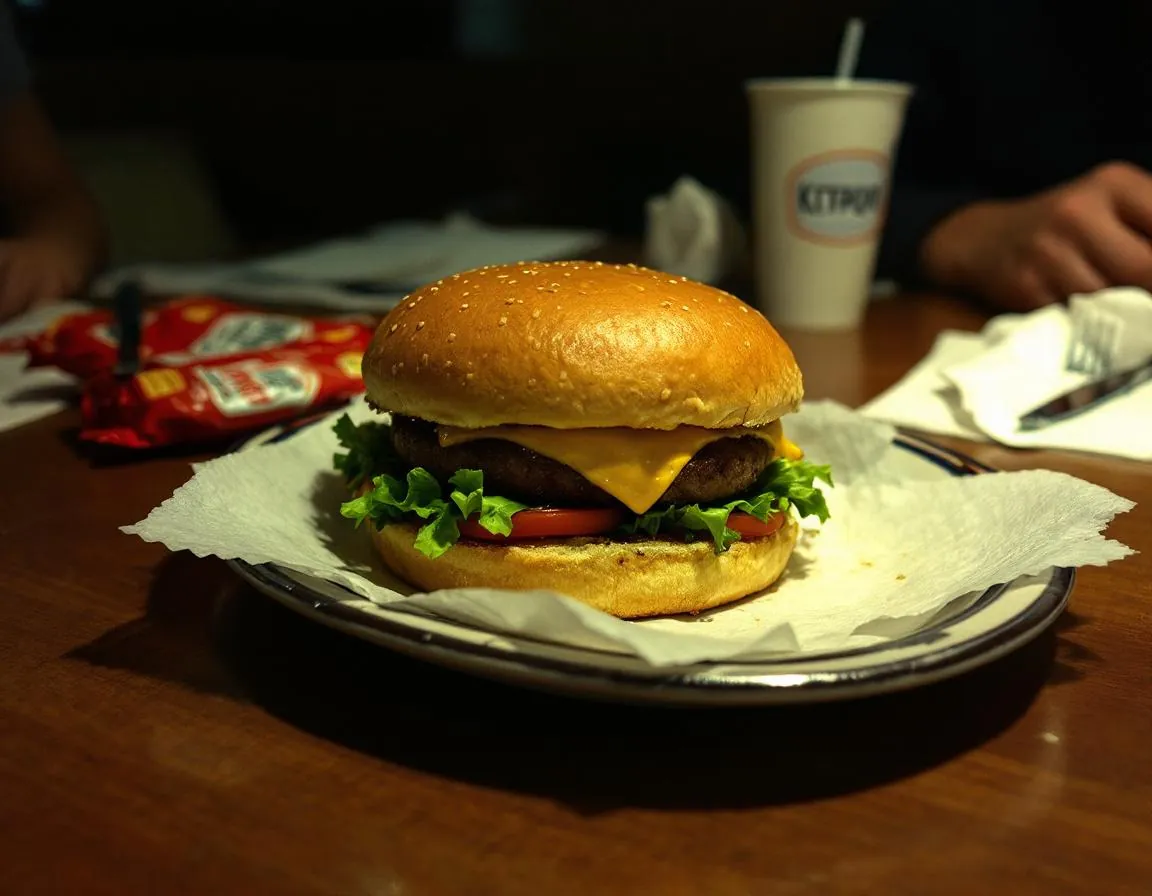
Drag to compare. Maillard crust preserved, doneness accurate.
Why steakhouses have the highest photography bar in the industry
Steakhouses operate at the top end of restaurant price points — ribeyes at $60-$150, dry-aged porterhouse for two at $180-$300, full dinner checks regularly above $150 per person. That price point demands photography that matches, and steakhouse customers are some of the most image-sensitive diners in the industry. They scroll OpenTable looking for the specific cut, they read Eater and Infatuation steakhouse reviews, they compare restaurant photos against their favorite steakhouses. A menu photo that does not live up to the reference set loses the reservation. For high-end steakhouses, the photography is not a marketing asset — it is the primary customer-acquisition mechanism for 50-70% of new reservations.
The Maillard-crust problem is the category's defining technical challenge. A properly-seared steak has a specific color gradient on the crust: deep brown in the center, black-brown at the edges where the pan was hottest, occasional darker fond spots, and a sharp transition to the interior doneness. Phone cameras collapse this gradient in one of two ways — either they blow out the crust into uniform brown (making the steak look under-seared) or they crush the dark spots into black (making the steak look burnt). The preset preserves the Maillard gradient by treating each color band separately, which is the same approach a professional steakhouse photographer uses with strategic lighting and localized dodging. The result is a steak that reads as properly seared at the resolution of an OpenTable tile.
The doneness problem is the second technical challenge. Customers order steaks by doneness preference (rare, medium-rare, medium, medium-well, well), and each doneness has a specific interior color that the menu photo has to represent accurately. Rare shows cool-red center with a purple hue. Medium-rare shows warm-pink throughout. Medium shows pink-to-gray transition. Medium-well shows faint pink. Well shows uniform gray-brown. Phone cameras often misrepresent these colors — typically they push the interior too far toward brown, making every steak look overcooked. The preset preserves doneness-specific interior color, which matters because customers ordering medium-rare want to see medium-rare on the menu photo, not a picture that makes them wonder if the kitchen can execute the doneness correctly. For distribution and related premium tools, see our French high-protein photography, AI Old Fashioned cocktail generator, New Year's Eve champagne photos, date night dinner photos, and Phoenix Grubhub food photos guides.
The business case for steakhouses is reservation-value-concentrated. A steakhouse running 80-150 covers per night at $125-$225 per person generates $10,000-$33,750 in nightly revenue, with most reservations coming through OpenTable, Resy, or Tock listings that depend on photography for conversion. A steakhouse that refreshes photography to menu-grade typically sees measurable lift in reservation conversion rate, which translates to meaningful weekly revenue. The preset replaces the $3,500-$10,000 annual photography budget with a few dollars of credits. For any steakhouse, this is a must-run annual or quarterly workflow.
FAQ
Does it preserve Maillard crust on seared steaks?
Yes. Properly-seared steak has a gradient crust — deep brown center, black-brown edges, occasional darker fond spots. Phone cameras collapse the gradient. The preset preserves it.
Will it handle dry-aged vs wet-aged color differences?
Yes. Dry-aged beef has a specific deeper mahogany cut-face color with visible enzyme-rendered fat, versus wet-aged which is brighter red. The preset preserves the age-specific color so dry-age premium shows on the tile.
Can it render the rare-to-well-done range?
Yes. Rare (cool red center), medium-rare (warm pink), medium (pink), medium-well (faint pink), well (no pink) — each doneness has a specific interior color that phone cameras often misrepresent. The preset preserves accurate interior color.
Does it work for steakhouse sides and dessert?
Yes. Creamed spinach, lobster mac, wedge salad, baked potato, steakhouse shrimp cocktail, NY cheesecake, chocolate cake — all get category-specific treatment.
Is this appropriate for high-end steakhouses?
Yes. High-end steakhouses — Peter Luger, Ruth's Chris, Keens, Bern's, independent upscale — need OpenTable-ready imagery at a high bar. The preset ships imagery that matches premium-tier aesthetic expectations.
Plans from $4.99/mo (20 credits)
Upload your first ribeye now. Menu-grade in 60 seconds.