Replace Your Food Photographer With AI
When it works, when it doesn't, and how to run a weekly photo refresh for less than a single studio invoice.
The honest comparison
| Factor | Food photographer | FoodPhoto.ai |
|---|---|---|
| Cost (40 dishes) | $2,000–$6,000 | $2.99 start + top-ups |
| Turnaround | 1–3 weeks | Same afternoon |
| Consistency across batches | Depends on shooter / season | Brand Packs lock it |
| Reshoot cost | Near-full fee | One credit |
| Hero campaign work | Strong | Not the use case |
| Delivery app / ecommerce spec | Manual export | Auto-formatted |
How it works
- 1
Cancel the scheduled shoot (or shift its budget)
Redirect to A+ content, ads, or the hero campaign you were under-funding.
- 2
Shoot the menu on your phone
One photo per dish, window light, any counter.
- 3
Run the batch and export per channel
DoorDash, Uber Eats, Grubhub, Shopify, Google Business Profile — one source, correct specs.
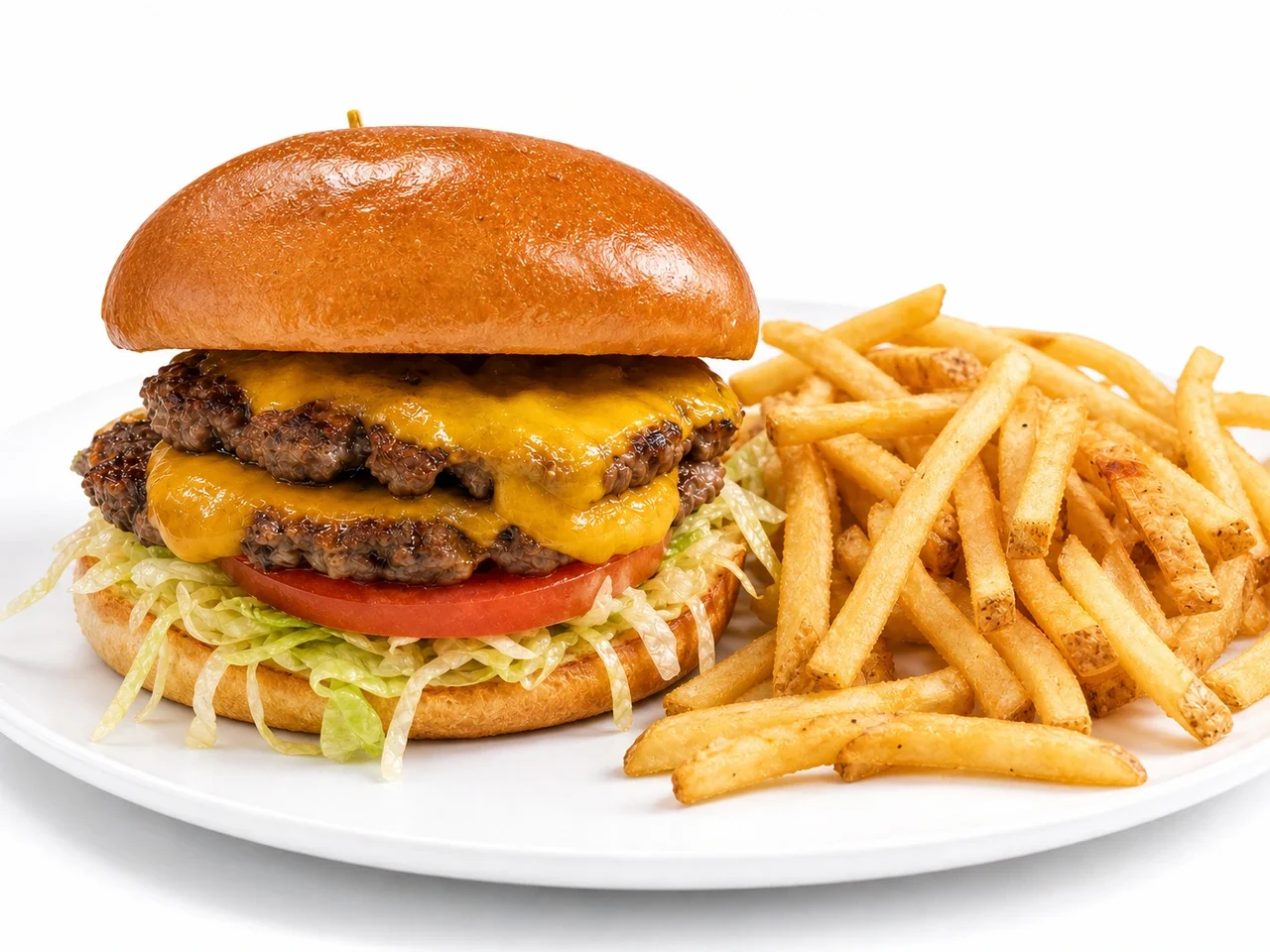
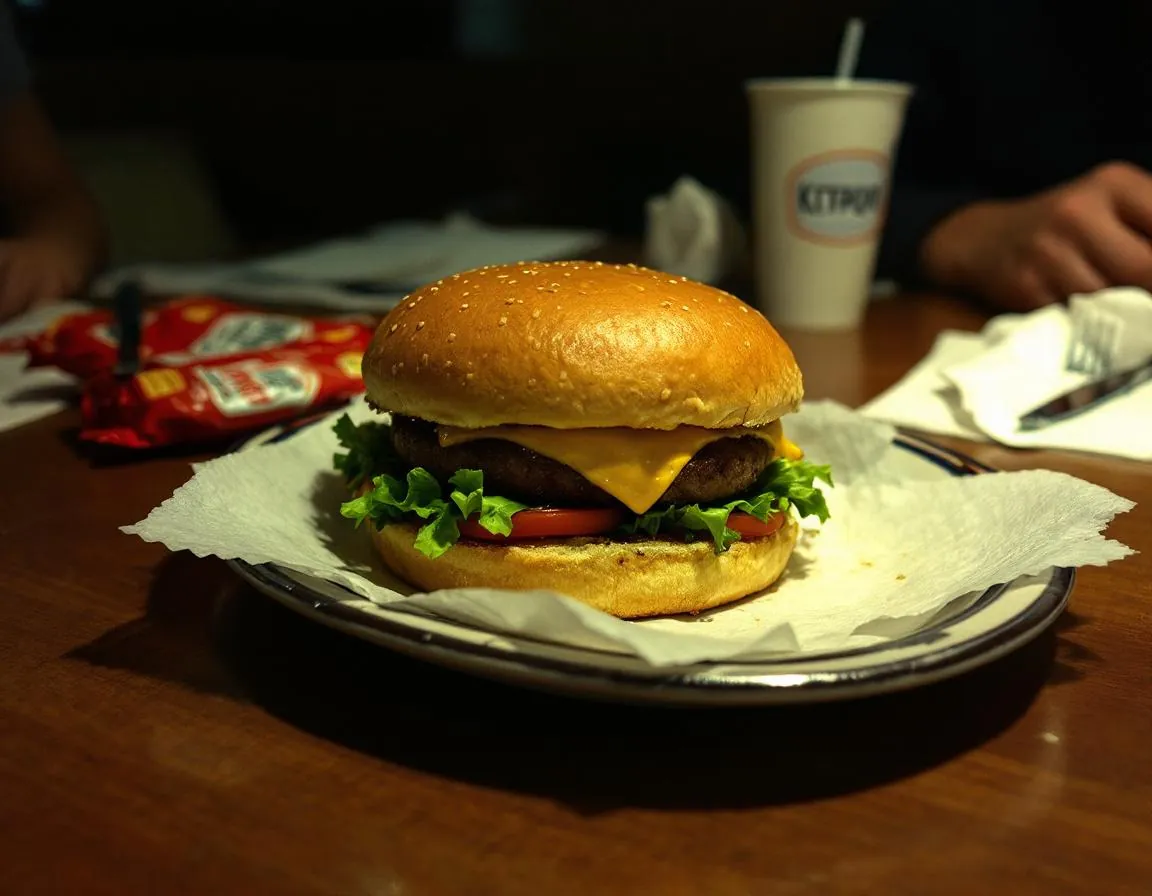
This is the actual tradeoff: a phone shot becomes a professional asset in under a minute.
Pricing vs a human photographer
Numbers at 40 dishes (a typical menu). Full per-city breakdown in the cost calculator.
| Option | One-time cost | Annual with 4 refreshes |
|---|---|---|
| Studio photographer | $2,500–$6,000 | $10,000–$24,000 |
| Freelancer | $1,000–$2,500 | $4,000–$10,000 |
| FoodPhoto.ai | $2.99 Try Pack | Under $50 with generous top-ups |
Run your own numbers on the menu photo cost calculator.
The honest case for replacing (most of) your food photography spend
Traditional food photography exists because the tools didn't. Until recently, getting a plate to look right on a menu meant a stylist, a photographer, a studio, and a color-grading pass. That whole stack priced itself for magazines and ad campaigns, not for a Tuesday menu update on Uber Eats. So restaurants ended up with two bad options: shoot once a year and let the menu drift visually, or just ship phone photos and pray.
AI food photography collapses the tool cost. What used to take a studio day now takes a phone, natural light, and 60 seconds of inference. That doesn't kill the photography profession — the best food photographers are still better than any AI at the hero shot, the campaign portrait, the magazine editorial. But it does kill the economic logic of paying studio rates for menu-tier work. Menu tiles, delivery app thumbnails, ecommerce hero images, weekly specials — these are volume jobs where "on-spec, on-brand, on-time" beats "aspirationally beautiful."
The restaurants moving first are the ones that ship a lot of specials: ghost kitchens running multiple brands, cafes with weekly seasonal menus, food trucks that rotate locations and concepts, catering businesses with event-by-event menus. They don't have the budget to book a studio every Friday, and they don't have the audience for a beautifully-slow content calendar. They need 40 dishes refreshed by Monday lunch. FoodPhoto.ai is the tool for that job.
For operators with a flagship brand and a PR calendar, the smart move is hybrid. Keep the photographer for the quarterly hero campaign, the chef portrait, the magazine editorial, the billboard. Move the rest — menu, delivery apps, ecommerce, GBP, weekly specials, Instagram grid — to AI. The math works out to a 70–90% reduction in photo spend and a 10× improvement in refresh cadence. The brand stays premium where premium matters; the volume gets faster everywhere else.
What about quality drift? The failure modes we see are: inconsistent lighting across batches, portion-size exaggeration, ingredient invention. All three are controllable. Brand Packs lock lighting. Portion-size rules are enforced — we don't upscale the beef patty. Ingredient invention is disabled on the food presets. If you want to see the output before committing, start with a paid credit pack and benchmark against your current photo set.
Related reading: menu photo cost calculator, AI vs traditional photography, and pricing.
FAQ
Is AI actually replacing food photographers?
For volume work — menus, delivery app tiles, ecommerce catalogs, weekly specials — yes. The workflow is faster and 50–100× cheaper. For brand-defining hero shots, magazine covers, and flagship campaigns, most operators still hire a photographer. The right answer is usually "both, for different jobs."
Will my customers tell the difference?
On a DoorDash tile, an Uber Eats listing, a Shopify product page, or a Google Business Profile photo, the difference is negligible — and we have blind-test examples on the homepage. The goal of these surfaces is "looks appetizing and on-spec," not "wins an award."
Is it ethical? Am I misleading customers?
As long as you enhance real photos of real dishes — correcting lighting, cleaning backgrounds, fixing color — you are inside the same lane food stylists have worked in for decades. The ethical line is misrepresenting ingredients, portion size, or claims. FoodPhoto.ai is designed to stay on the right side of that line.
What does it cost to replace a $2,000 shoot?
A 40-dish $2,000–$5,000 shoot translates to roughly 40 credits in FoodPhoto.ai. That is inside the $2.99 Try Pack plan plus one top-up. Even factoring in reshoots, the total is under $20.
When should I still hire a photographer?
Flagship campaigns, print/billboard work, PR photos of the chef, the opening-week story, and anything where the photo itself is the hero asset. For recurring menu, ecommerce, and delivery work, AI wins on speed and cost.
Plans from $4.99/mo (20 credits)
Test the output on your own dishes before you cancel the next studio booking.