Free tool
AI Detroit Pizza Generator
Turn your phone pics of Detroit-style pies into menu-ready photos. Caramelized edge intact, red-top stripes preserved, crispy corners locked in — in under a minute per shot.
Try it free — drop a Detroit-style photo
2 free enhancements per day, no signup required. Caramelized corners stay caramelized.

Drop your food photo here
or click to browse files
 Instant preview - takes under 30 seconds
JPG, PNG, or WebP up to 10 MB
1 instant preview — see the result, then unlock full-resolution downloads from $3.
How it works
Photograph the pie
Overhead on the blue-steel pan, or lifted onto a board — phone camera is fine.
Apply the Detroit preset
Caramelized-edge preservation, red-top color accuracy, crispy-corner sharpening.
Export for every channel
DoorDash, Uber Eats, Slice, Instagram — smart-cropped for square-pizza aspect ratios.
Pricing vs a human photographer
| Option | 10-pie Detroit menu | New special |
|---|---|---|
| Food photographer | $1,200–$3,000 | $125–$250 per pie |
| FoodPhoto.ai | $2.99 Try Pack + top-ups | 1 credit per shot |
Examples
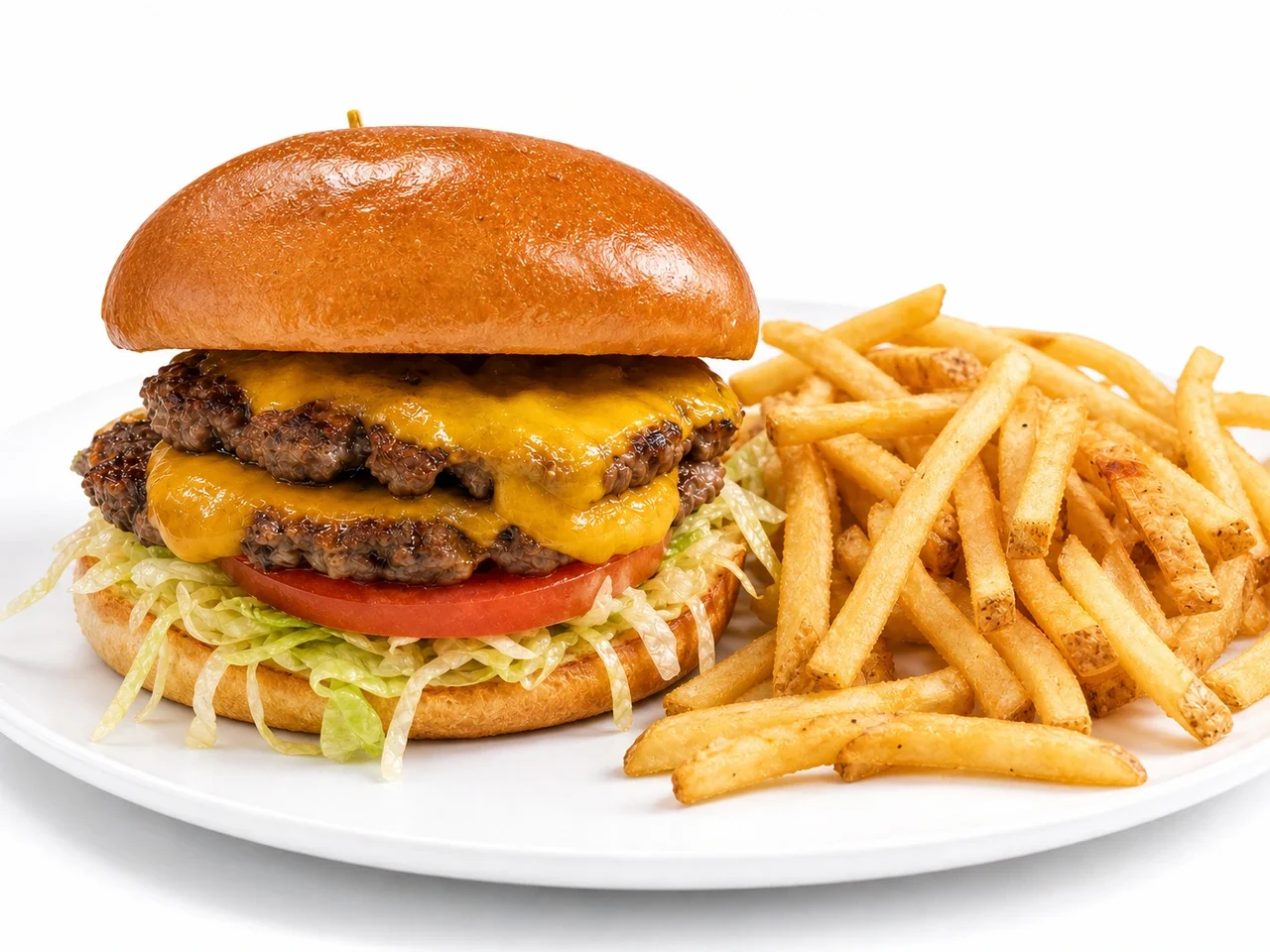
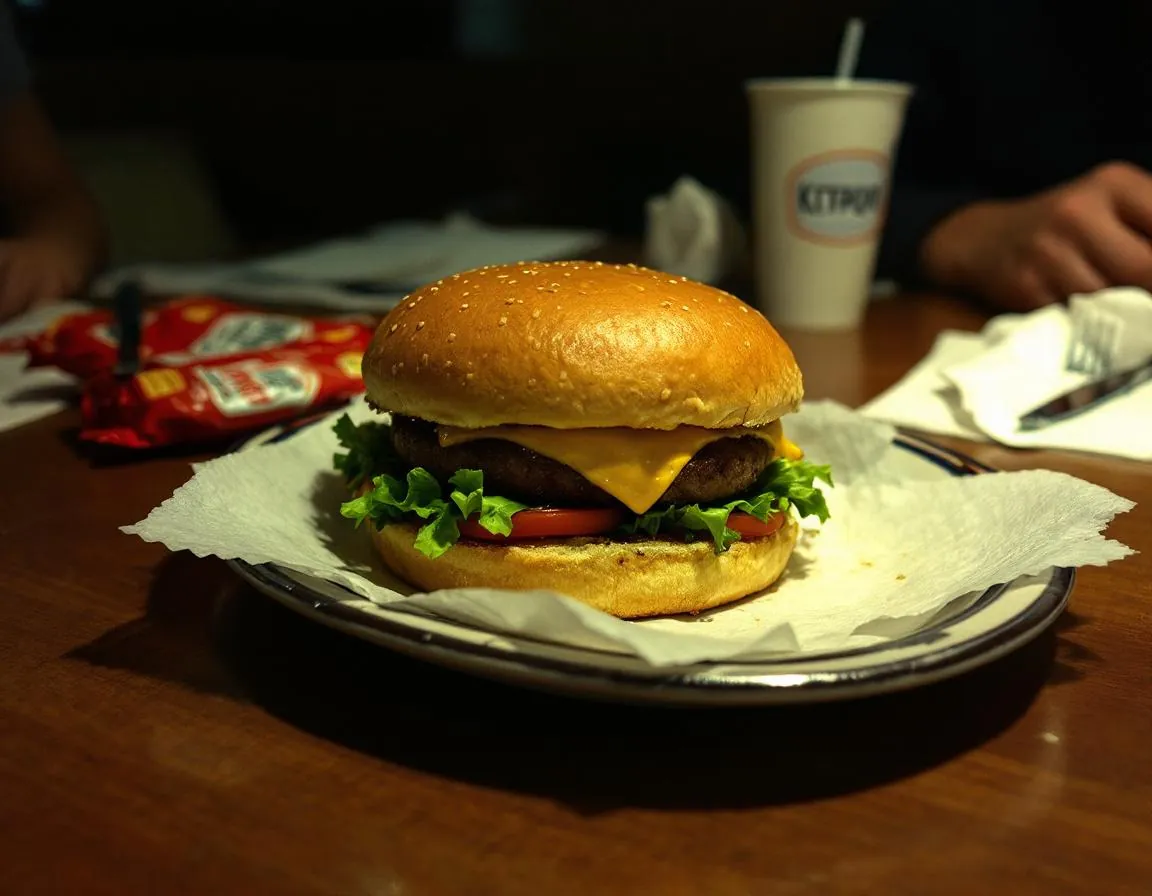
Drag to compare. Caramelized edge preserved, red-top stripes accurate.
Why Detroit-style has the best photography-conversion opportunity in pizza
Detroit-style pizza has gone from a regional Michigan curiosity to a national phenomenon in the last decade. Emmy Squared in NYC, Via 313 in Austin, Pizzeria Bianco's Detroit collab, and dozens of independent operators across the country have built entire businesses on the style. The appeal is specific: a rectangular pan pizza with Wisconsin brick cheese melted all the way to the edge (creating a crispy, caramelized ring), sauce applied on top after baking in distinctive red stripes, and four signature crispy corners that are the single most-photographed element in the pizza world. The visual signature of a Detroit-style pie — the caramelized brick-cheese edge, the red stripes, the golden crispy corners — is one of the most photogenic foods that exists when shot correctly, and one of the most disappointing when shot badly.
The caramelized-edge problem is the defining technical challenge. Wisconsin brick cheese is a specific cheese (not mozzarella, not cheddar) that melts and browns differently than typical pizza cheese. When applied all the way to the edge of a well-seasoned blue-steel Detroit pan, it fuses with the pan wall and creates a specific caramelized brown ring with visible crystalline structure from the browned dairy proteins. Phone cameras almost always fail at this edge. They either lose the color gradient (caramelization looks like uniform brown) or they blow out the crispy parts (edge reads as burnt). The preset preserves the caramelization gradient across the edge, which is the single most important visual signal for Detroit-style customers.
The red-top-sauce problem is the second technical challenge. Detroit-style pizza applies sauce on top of the cheese after baking, which creates a specific pattern (typically three red stripes applied with a squeeze bottle, though some modern operators use a dollop-and-streak pattern or a full sauce layer). That pattern is the second-most-identifiable visual signal of Detroit-style. Phone cameras either over-saturate the sauce red (pushing it toward cartoon) or dull it (making the pie look dry). The preset preserves the specific Detroit-sauce red and the visible stripe pattern, which is what a scrolling customer uses to identify the style from thumbnail distance.
The crispy-corner problem is the third technical challenge and the one that drives the most social-media attention. The four corners of a Detroit pie are where the cheese-caramelization is maximum and the crust-crispness peaks. The classic photo shows one corner held up to camera with the cheese-crust edge hanging down. This specific shot is what drives the Instagram and TikTok reach for Detroit-style operators, and phone cameras handle it poorly because the corner is bright (cheese caramelization) against a darker background (the interior of the pizza). Dynamic range blows out. The preset handles dynamic range specifically for this shot. For pricing, cross-channel distribution, and adjacent tools, see our AI pizza photo generator (general), AI Neapolitan pizza generator, Chicago Grubhub photography, pizzeria delivery photos, and DoorDash food photography guides.
The business case for Detroit-style operators is particularly strong because the visual signature is both the product differentiation and the marketing engine. Customers seek out Detroit-style specifically because of how it looks. An operator whose menu photos fail to communicate the caramelized edge, the red stripes, and the crispy corners is literally selling against their own product advantage. The preset closes this gap for a few dollars of credits per month, which is trivial compared to the conversion lift that comes from correctly-rendered Detroit-style imagery. For independent operators competing against Emmy Squared and Via 313 on delivery platforms, this is the tool that levels the photography playing field.
FAQ
Does it preserve the caramelized-cheese crust edge?
Yes. The caramelized Wisconsin brick cheese edge — where the cheese melted down the side of the pan and fused into a crispy brown ring — is the defining visual signature of Detroit-style pizza. Phone cameras wash it out. The preset preserves the specific caramelization gradient on the edge, which is the primary conversion signal for Detroit pizza customers.
What about the red-top sauce?
Detroit-style pizza applies sauce on top of the cheese (opposite of most pizzas) after baking, creating a specific pattern of three or four red stripes across the pie. Phone cameras over-saturate the red or dull it depending on exposure. The preset preserves the specific sauce hue and the visible stripe pattern.
Can it handle rectangular-slice crops for delivery apps?
Yes. Detroit-style is the one major pizza style that is rectangular rather than round, which creates aspect-ratio problems on delivery tiles. The preset handles smart cropping so the whole-pie tile still reads well at 1:1 and 4:3 without cutting off corners (which are literally the selling point of Detroit-style).
Does this work for Buddy's / Cloverleaf-style Detroit and modern variants?
Both. Classic Detroit (Buddy's style — Wisconsin brick cheese, blue-steel Detroit pan, red stripes, crispy corners) and modern Detroit (Emmy Squared, Via 313, Pizzeria Bianco's Detroit collab) have different aesthetic variations but share the same core visual problems. The preset handles both.
Is this different from the general AI pizza generator?
Yes. The general tool handles every pizza style but runs a generic pizza preset. The Detroit tool is tuned specifically for the square-pan, caramelized-edge, red-top aesthetic — so output matches the expectations of Detroit-style customers.
Plans from $4.99/mo (20 credits)
Upload your first Detroit pie now. Crispy corners intact in 60 seconds.