Free tool
AI Neapolitan Pizza Generator
Turn your phone pics of Neapolitan pies into menu-ready photos. Leoparding preserved, buffalo mozzarella creamy-not-wet, cornicione lifted — in under a minute per shot.
Try it free — drop a Neapolitan pie photo
2 free enhancements per day, no signup required. Leoparding stays leopard.

Drop your food photo here
or click to browse files
 Instant preview - takes under 30 seconds
JPG, PNG, or WebP up to 10 MB
1 instant preview — see the result, then unlock full-resolution downloads from $3.
How it works
Photograph the pie
Straight off the wood-fired oven, overhead or 30° — marble counter, wood peel, or plate.
Apply the Neapolitan preset
Leoparding preservation, cornicione lift, buffalo mozzarella specular control.
Export for every channel
DoorDash, Uber Eats, Slice, Instagram, Google Business — all crops in one pass.
Pricing vs a human photographer
| Option | 12-pie Neapolitan menu | New seasonal pie |
|---|---|---|
| Food photographer | $1,500–$3,500 | $125–$300 per pie |
| FoodPhoto.ai | $2.99 Try Pack + top-ups | 1 credit per shot |
Examples
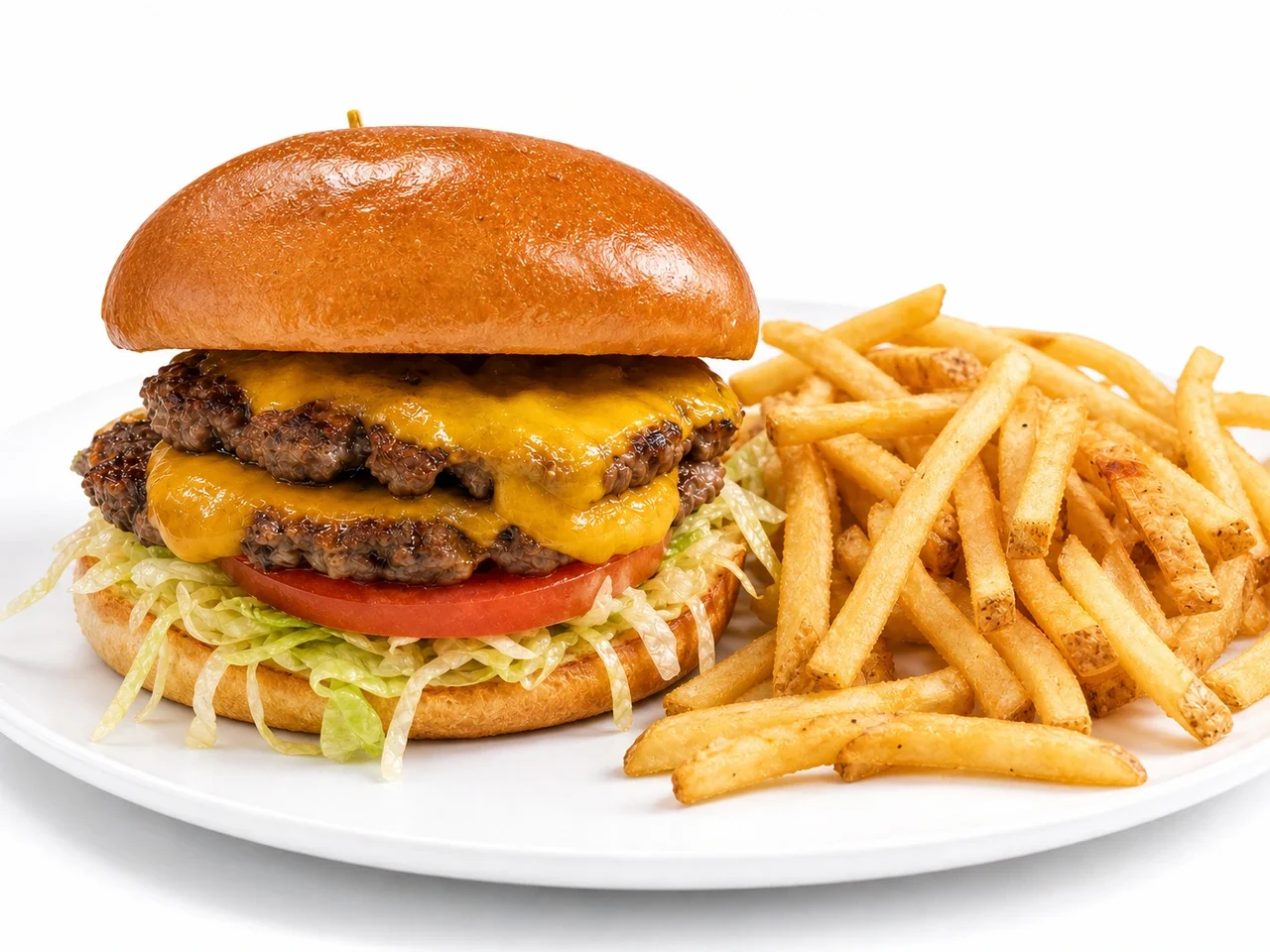
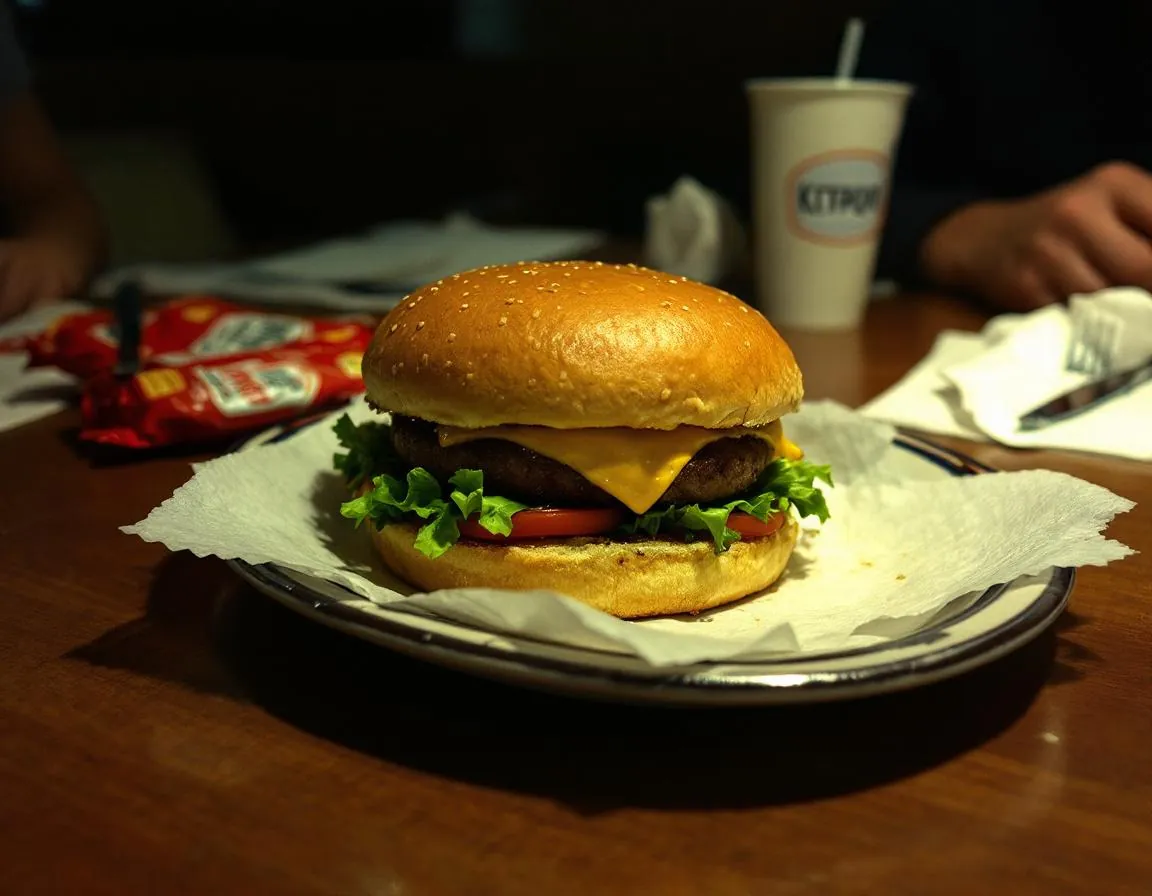
Drag to compare. Leoparding preserved, cornicione lift intact.
Why Neapolitan pizza is the hardest pizza to photograph
Neapolitan pizza is simultaneously the oldest pizza style and the hardest to photograph correctly. The style is rigorously defined — the Associazione Verace Pizza Napoletana (AVPN) and the more recent Vera Pizza Napoletana (VPN) certifications specify the tomato (San Marzano), the cheese (buffalo mozzarella or fior di latte), the flour (00), the hydration (58-65%), the fermentation (8-24 hours), the oven (wood-fired at 485°C/905°F), and the cook time (60-90 seconds). That precision produces a pie with a very specific set of visual signals: leopard-spot char on the cornicione (puffy edge), a slightly soupy center, buffalo-mozzarella puddles, and the distinctive red of San Marzano. Every one of those signals is something phone cameras wreck.
The leoparding problem is the signature technical challenge. Leopard spots are the dark char marks that form on the cornicione when the dough meets the hot wood-fired floor for 60-90 seconds. They are the single most important visual signal that distinguishes a properly-made Neapolitan from a generic wood-fired pizza. Phone cameras handle them in two wrong ways: either they auto-expose for the overall bright surface and lose the spots in blown-out highlights, or they auto-expose for the darker cornicione and crush the spots into undifferentiated black. Both failures make the pizza look incorrect to a knowledgeable Neapolitan customer. The preset preserves the leopard-spot gradient by treating the cornicione as a distinct exposure zone separate from the center, which is the same approach a good professional photographer takes with localized dodging and burning.
The buffalo mozzarella problem is the second technical challenge. Buffalo mozzarella di bufala has a higher water content than cow-milk fior di latte, which means it weeps small puddles of whey on the surface of the pizza after the 90-second cook. On the plate this looks intentional and appetizing — the whey puddles signal fresh high-quality cheese. On a phone camera, the same puddles read as specular glare, which either looks greasy (camera over-amplifies) or makes the cheese look wet and cheap. The preset caps specular response on the cheese surface so the puddles stay visible as cheese-whey puddles rather than reading as light artifacts.
The soupy-center problem is the third challenge. Neapolitan pizza is intentionally wet in the center — the short cook time at high heat sets the crust quickly but leaves the tomato and cheese soft, creating the famous fold-and-eat style that you see in Naples. The classic Neapolitan photo shows this as a slightly sagging middle with visible tomato-cheese movement. Phone cameras read this as underbaked and auto-correct by lifting contrast, which destroys the signature look. The preset preserves the intentional wetness while lifting surrounding contrast elsewhere on the pie, which is the technical balance a Neapolitan photographer has to maintain by hand. For pricing, cross-channel distribution, and adjacent tools, see our AI pizza photo generator (general), AI Detroit pizza generator, AI carbonara pasta generator, Italian GF menu photos, and DoorDash food photography guides.
The business case for Neapolitan pizzerias is particularly strong because the customer base is photography-aware. Neapolitan pizza customers, especially those seeking out VPN-certified operators, are some of the most discerning pizza customers in the world — they know what leoparding looks like, they know what a properly-soupy center looks like, and they clock fake or bad photos immediately. A menu photo that looks generic or over-processed actively hurts conversion. The preset produces Neapolitan-authentic outputs that match the customer's visual expectation, which is the conversion floor for VPN and VPN-adjacent operators. At a credit cost of a few dollars per month for a 12-pie menu refresh cadence, this is one of the highest-ROI marketing tools available to a Neapolitan pizzeria.
FAQ
Does it preserve the leoparding on a true Neapolitan?
Yes. Leoparding — the dark spotted char on a properly-fired Neapolitan cornicione — is the defining visual signature of the style, and phone cameras systematically fail at it. They either blow out the char (spots disappear) or crush it (pizza looks burnt). The preset preserves the leopard-spot gradient so the crust reads as wood-fired and authentic.
Will it ruin a VPN-certified pizzeria's authenticity?
No. The preset only enhances lighting, color, sharpness, and background — never the dish itself. A Vera Pizza Napoletana-certified pizzeria maintains full control over the product. The enhancement simply makes a phone photo of the certified pie look like a professional photo of the same pie.
Does buffalo mozzarella photograph differently from regular mozzarella?
Yes. Buffalo mozzarella (di bufala) has a slightly different white — creamier, with a subtle yellow-pink undertone — and holds water differently than cow-milk mozzarella, which creates small puddles on a Neapolitan after firing. Phone cameras over-amplify these puddles as specular highlights. The preset caps the specular so the buffalo mozzarella reads as creamy, not wet.
Can it handle the soupy-center problem?
Neapolitan pizza is famously wet in the center — the San Marzano tomato and buffalo mozzarella create a soft, slightly liquid middle that is part of the style. Phone cameras read this as underbaked. The preset preserves the intentional wetness while lifting surrounding contrast so the pie reads as a properly-executed Neapolitan rather than an underdone pizza.
Is this different from the general AI pizza photo generator?
Yes. The general tool handles all pizza styles (NY, Detroit, Chicago deep-dish, Sicilian, Roman). The Neapolitan tool is tuned specifically for the VPN / AVPN aesthetic — leopard char, cornicione lift, buffalo mozzarella, San Marzano color — so output matches the expectations of Neapolitan-focused customers.
Plans from $4.99/mo (20 credits)
Upload your first Neapolitan now. Leopard spots intact in 60 seconds.