Free tool
AI Carbonara Pasta Generator
Turn your phone pics of carbonara into menu-ready photos. Egg-yolk gloss intact, guanciale crispy-translucent, pecorino snow visible — in under a minute.
Try it free — drop a carbonara photo
2 free enhancements per day, no signup required. Egg-yolk gloss stays silky.

Drop your food photo here
or click to browse files
 Instant preview - takes under 30 seconds
JPG, PNG, or WebP up to 10 MB
1 instant preview — see the result, then unlock full-resolution downloads from $3.
How it works
Photograph the plate
Overhead on white plate, or 30° for twirl-hero — phone camera is fine.
Apply the carbonara preset
Egg-yolk gloss control, guanciale render preservation, pecorino snow detail.
Export for every channel
Menu, DoorDash, Uber Eats, Instagram — all crops in one pass.
Pricing vs a human photographer
| Option | 15-pasta menu | Seasonal special |
|---|---|---|
| Food photographer | $1,500–$4,000 | $150–$350 per pasta |
| FoodPhoto.ai | $2.99 Try Pack + top-ups | 1 credit per shot |
Examples
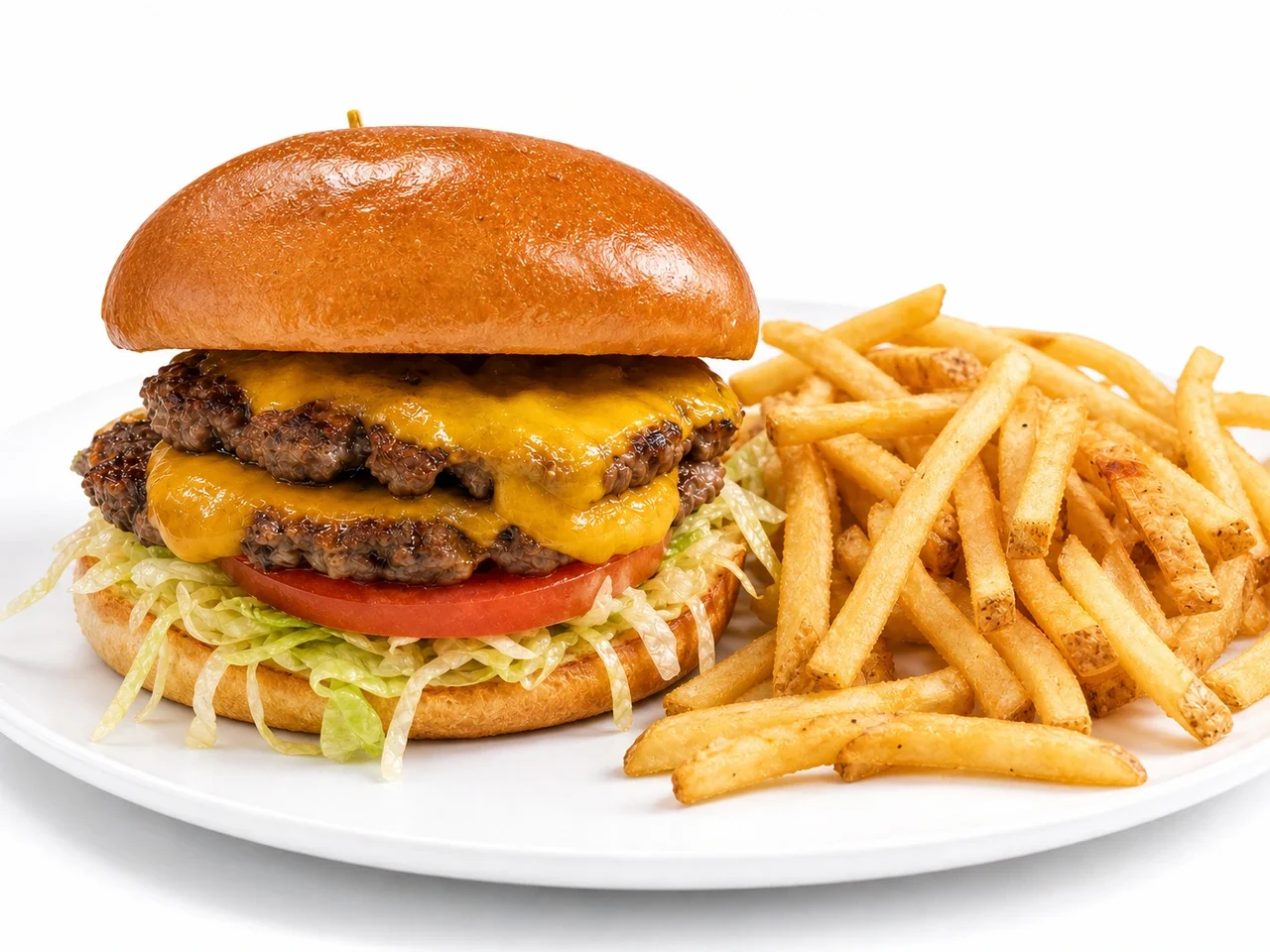
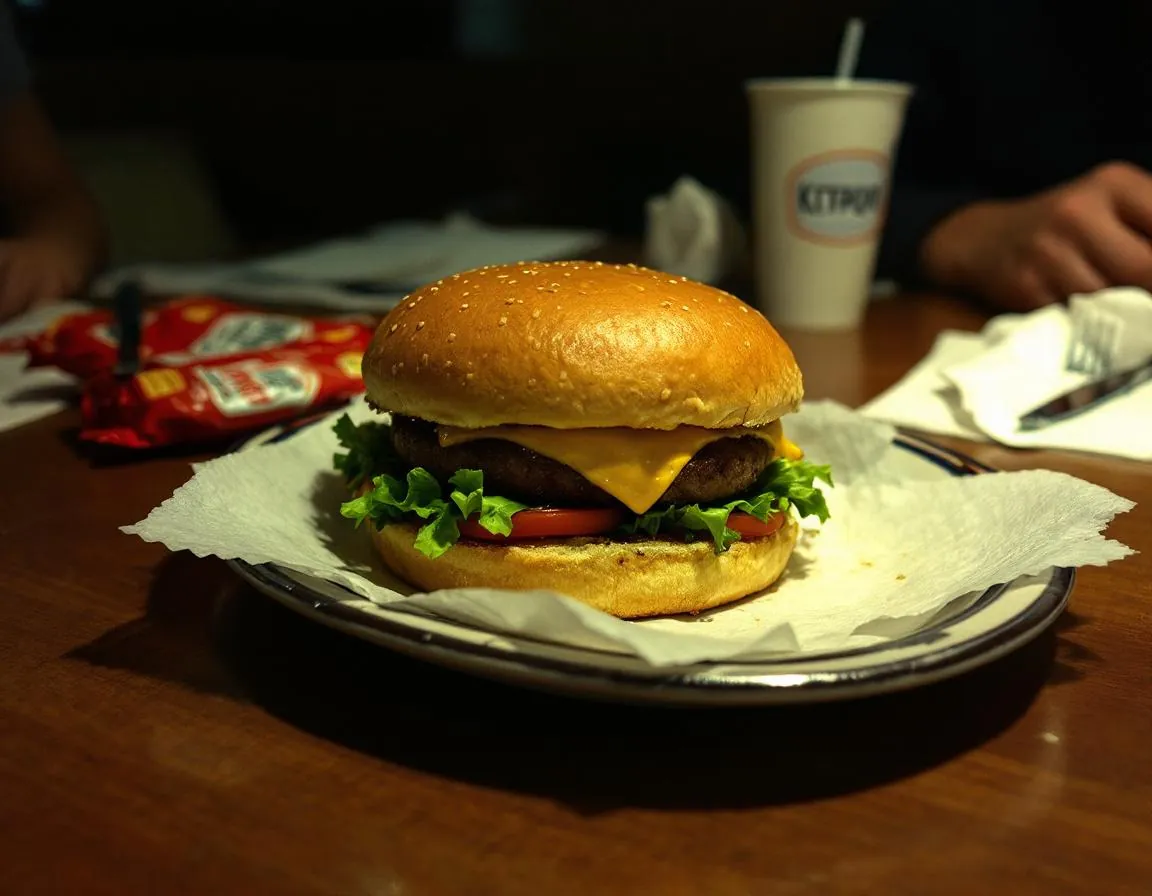
Drag to compare. Egg-yolk gloss silky, guanciale render visible.
Why carbonara is a technical photography challenge
Carbonara is one of the most-ordered pasta dishes on American and European Italian menus and one of the most technically difficult to photograph correctly. The traditional Roman preparation is strict: egg yolks (not cream), guanciale (not bacon, not pancetta), pecorino Romano (not parmigiano), black pepper, al dente spaghetti or rigatoni, and pasta water as the emulsifier. The visual signature that results is specific: golden egg-yolk gloss coating every strand, translucent-pink guanciale with crispy edges visible through the sauce, a snow of freshly-grated pecorino on top, and visible black-pepper flecks throughout. Every one of those elements is something phone cameras handle badly.
The egg-yolk gloss problem is the primary technical challenge. Properly-executed carbonara has a silky-glossy coating of emulsified egg yolk and pasta water on each strand, which creates a specific surface that is neither matte nor wet-glossy. Phone cameras handle this surface in two wrong ways: either they push the specular highlight too high (making the pasta look wet, greasy, or like it was just drenched in cream), or they dull the gloss into a flat yellow coating (making the pasta look dry or over-cooked). The preset calibrates specular response to the silky-gloss range that defines properly-emulsified carbonara, preserving the intentional sheen without pushing it toward wet. This is the single most important visual signal for carbonara customers, who use it to judge whether the pasta was properly emulsified versus drowned in pre-mixed sauce.
The guanciale problem is the second technical challenge. Guanciale rendered correctly has a specific tri-color gradient — translucent-pink where the fat partially rendered, ivory-white where the fat fully rendered, and brown-black at the crispy edges. This gradient is visually distinctive and it is a quality signal (the alternative, pancetta or bacon, has a different render pattern that a knowledgeable customer identifies as incorrect). Phone cameras tend to crush the crispy parts into black or wash out the pink translucency, which loses the quality signal either way. The preset preserves both the crispy char and the translucent fat by treating them as separate exposure zones, which is the same approach a professional Italian-food photographer takes with targeted dodging.
The pecorino-snow problem is the third technical challenge. The final grate of pecorino Romano on top of plated carbonara is a specific visual element — hand-grated cheese shreds that catch light and create texture on top of the glossy pasta. Phone cameras often lose this detail, either by blowing it out into white glare (over-exposed) or by averaging it into a flat white dusting (under-exposed). The preset preserves the shred-structure of properly-grated pecorino so it reads as fresh-grated cheese rather than powdered sugar. Combined with pepper-fleck preservation, this gives the finished plate the visible "snow plus pepper" texture that defines the Roman-style carbonara aesthetic. For cross-channel distribution and adjacent tools, see our Italian GF menu photos, AI Neapolitan pizza generator, AI tiramisu generator, Boston DoorDash, and DoorDash food photography guides.
The business case for Italian operators is specific. Carbonara customers in America skew toward Italian-food enthusiasts — the same demographic that watches Stanley Tucci documentaries, follows Italian food accounts on Instagram, and knows the difference between carbonara and alfredo. This customer reads menu photos carefully and clocks phony carbonara immediately (cream instead of yolk, bacon instead of guanciale, parmigiano instead of pecorino). A menu photo that looks like proper carbonara earns trust; a photo that looks like cream-sauce alfredo passed off as carbonara loses the customer. The preset produces carbonara-authentic outputs from your actual plate, at a credit cost that is trivial compared to a single additional seated party that orders the dish.
FAQ
Does it preserve the egg-yolk gloss?
The golden egg-yolk gloss that coats every strand of pasta is the defining visual of carbonara, and phone cameras handle it poorly. They either blow out the gloss into yellow-white glare or dull it into a flat coating. The preset controls specular response so the gloss reads as silky and intentional.
Will it handle guanciale render?
Guanciale (cured pork jowl) is the correct pork for traditional carbonara, and when rendered properly it has a specific translucent pink-white-brown gradient with visible crispy edges. Phone cameras either crush the crispy parts into black or wash out the pink translucency. The preset preserves both the crispy char and the translucent fat.
Does it work for cacio e pepe and adjacent pasta styles?
Yes. Cacio e pepe (pecorino, pepper, pasta water) and carbonara share photography challenges — the cheese coating, the al dente pasta surface, the black-pepper flecks. The preset handles both styles with the same underlying workflow.
Can it handle the pecorino-snow final grate?
The final shower of pecorino Romano — the white snow of freshly-grated cheese on top of the plated pasta — is visually distinctive and customers look for it as a quality signal. Phone cameras either lose the cheese in white glare or make it look like powdered sugar. The preset preserves the cheese-shred structure so it reads as grated pecorino rather than a dusting.
Does this work for gluten-free carbonara?
Yes. GF pasta made from rice, corn, or chickpea flour has a slightly duller surface than wheat, which affects how the egg-yolk gloss renders. The preset has a GF pasta sub-preset that restores the intentional sheen even on alternative-flour noodles.
Plans from $4.99/mo (20 credits)
Upload your first carbonara now. Menu-grade in 60 seconds.