Free tool
AI Tiramisu Generator
Turn your phone pics of tiramisu into menu-ready photos. Cocoa dust preserved, mascarpone layer ivory, ladyfinger strata visible — in under a minute.
Try it free — drop a tiramisu photo
2 free enhancements per day, no signup required. Cocoa dust stays dust.

Drop your food photo here
or click to browse files
 Instant preview - takes under 30 seconds
JPG, PNG, or WebP up to 10 MB
1 instant preview — see the result, then unlock full-resolution downloads from $3.
How it works
Photograph the dessert
Side profile for strata, overhead for top-down cocoa-dust hero, or portion-cut.
Apply the tiramisu preset
Cocoa-dust preservation, layer-stratification lifting, edge-cut sharpening.
Export everywhere
Menu, DoorDash, Instagram — all crops in one pass.
Pricing vs a human photographer
| Option | Dessert menu hero | Seasonal variant |
|---|---|---|
| Food photographer | $300–$800 per shot | $150–$400 per variant |
| FoodPhoto.ai | $2.99 Try Pack + top-ups | 1 credit per shot |
Examples
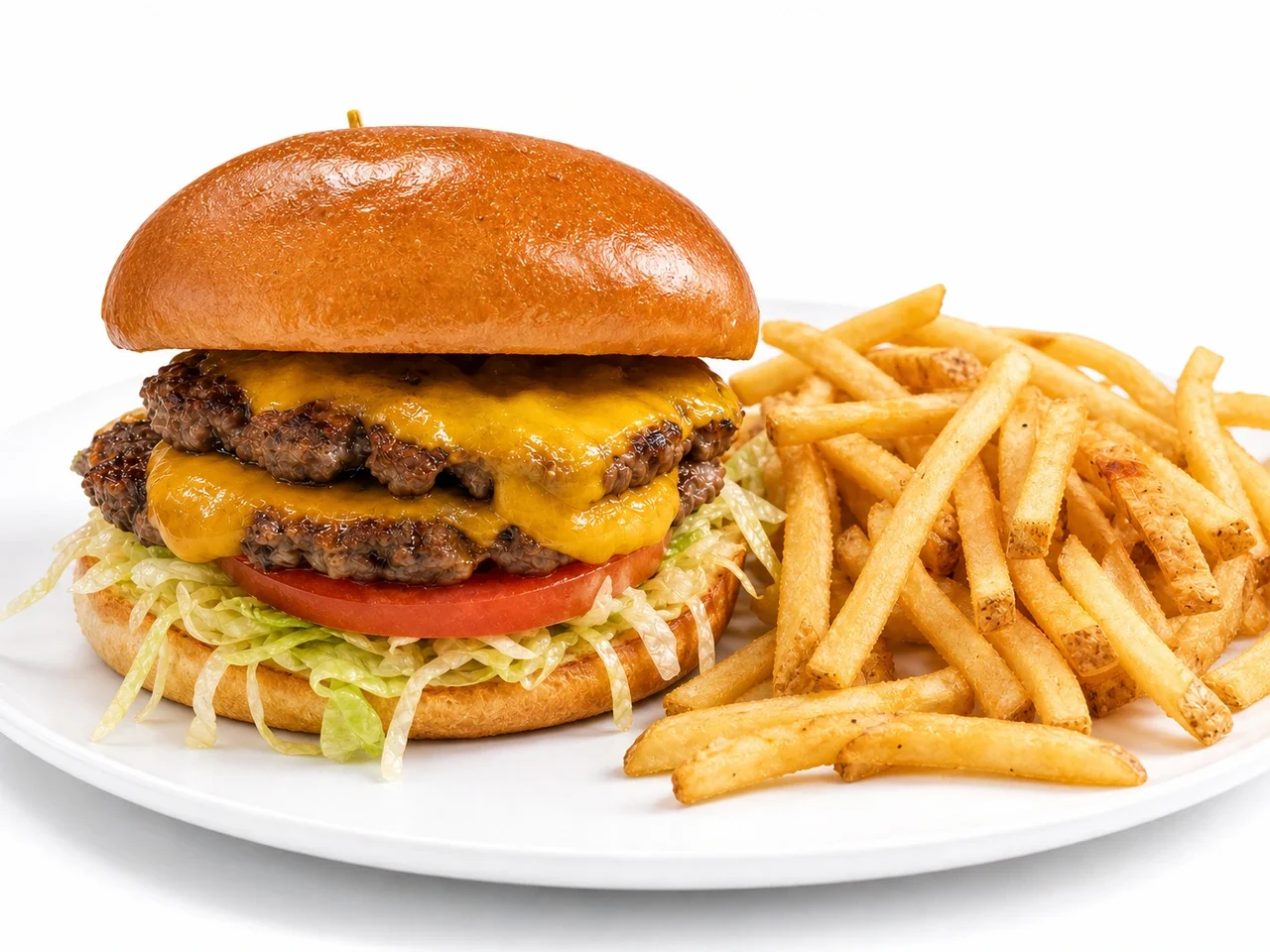
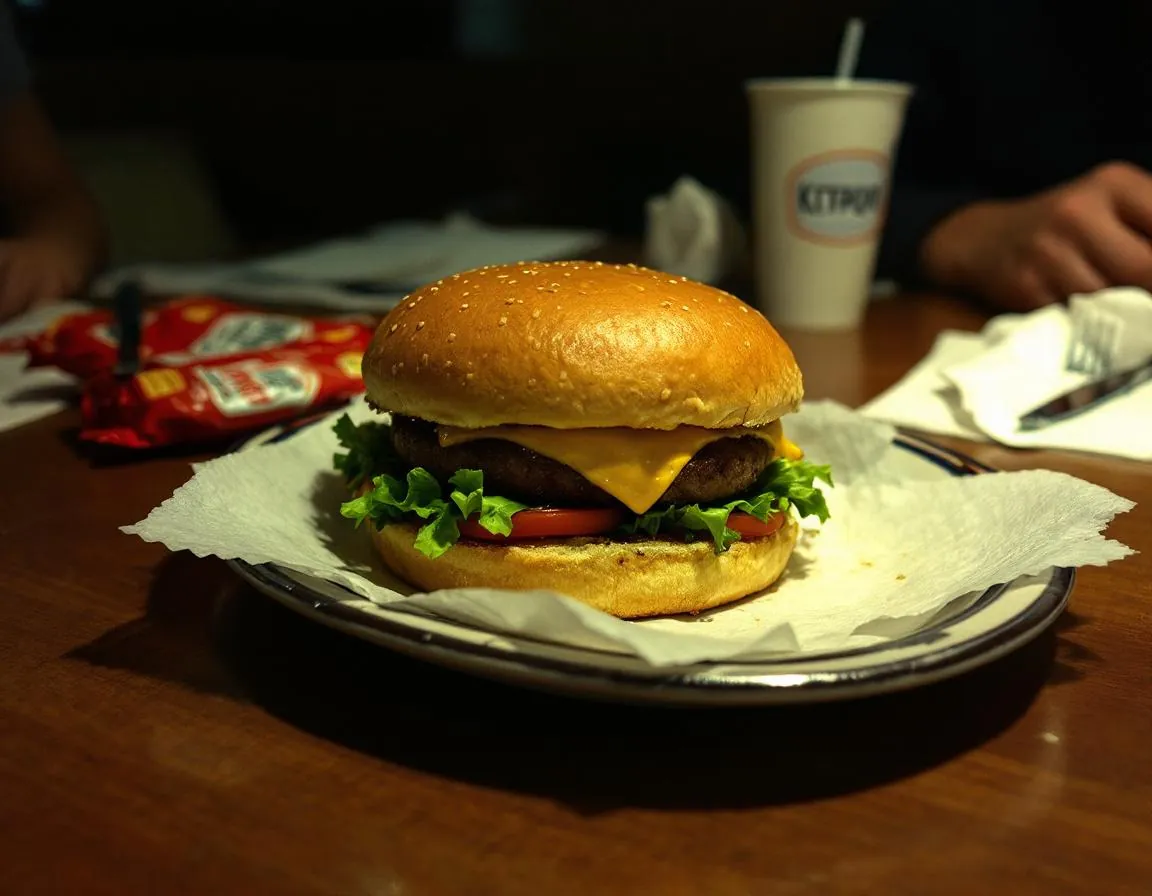
Drag to compare. Cocoa dust preserved, strata visible.
Why tiramisu photography is the hardest dessert shot
Tiramisu is one of the most-ordered desserts in the world and one of the hardest to photograph correctly. The classic composition has four visually distinct elements stacked in one dish: a cocoa-dust top surface, a layer of mascarpone cream, a layer of espresso-soaked ladyfinger, and sometimes a thin Marsala-wine layer between them. Each element has its own color balance, texture, and exposure requirement — and they all have to read clearly in a single frame for the dessert to be identifiable as tiramisu. Phone cameras systematically fail at this multi-layer composition by averaging the exposure across the stack, which loses the visual distinction between layers.
The cocoa-dust problem is the primary technical challenge. Tiramisu's top surface is a fine dusting of unsweetened cocoa powder — dark brown, matte, with a specific texture that comes from sieving the powder fresh. Phone cameras either over-expose the surface (the dust disappears into a blurred brown field) or under-expose it (the powder looks like cocoa paint). The preset preserves the dust-texture detail by treating it as a high-frequency signal and preserving the matte finish without over-darkening. This matters because the cocoa-dust surface is the single most identifiable visual of tiramisu at thumbnail resolution.
The stratification problem is the second technical challenge. A well-made tiramisu, especially when portion-cut on a plate, shows distinct horizontal layers: dark-brown coffee-soaked ladyfinger, ivory mascarpone cream, sometimes an amber Marsala seam, and the cocoa-dust top. The layer-visibility is a quality signal (poorly-made tiramisu shows muddy transitions instead of clean lines), and phone cameras tend to blur the transitions or collapse the contrast between layers. The preset uses edge-specific handling to preserve layer-boundary sharpness while keeping the interior of each layer soft, which is the same approach a restaurant pastry photographer takes with localized unsharp masking.
The portion-cut problem is the third technical challenge. Restaurant tiramisu is usually served as a rectangular cut from a larger pan, and the cut edge shows all four layers in cross-section. That cut edge needs to be sharp, clean, and color-accurate for the portion to read as a proper tiramisu. Phone cameras tend to lose the sharpness of the cut (blurred edge) or lose the layer separation (uniform brown cross-section). The preset handles this specific shot with dedicated edge sharpening plus per-layer color preservation. For individual-serving tiramisu in cups or glass jars, the preset adds refraction-correction so the layers read accurately through the container wall. For cross-channel distribution and adjacent tools, see our AI carbonara pasta generator, AI Neapolitan pizza generator, Italian GF menu photos, Valentine's dessert photography, and birthday cake photography guides.
The business case for Italian restaurant operators and dessert-focused café brands is straightforward: tiramisu is typically the highest-margin dessert on an Italian menu, and it is ordered frequently because customers know what they are getting. But the menu-tile conversion depends entirely on whether the photo looks like the tiramisu the customer remembers from the Italian trip or the famous bakery — and generic phone photos do not meet that bar. The preset closes this gap for a credit cost that is trivial compared to a single additional $12-$18 dessert ordered. For a restaurant that moves 15-30 tiramisus per service, the ROI on the photography upgrade pays back in a single shift.
FAQ
Does it preserve the cocoa-dust surface?
Tiramisu's defining top surface is a fine dusting of unsweetened cocoa powder — dark brown, matte, with visible texture. Phone cameras either blow out the surface (dust disappears) or over-darken it (powder looks like paint). The preset preserves the dust texture and color accurately.
Will it show the ladyfinger and mascarpone layers?
Yes. Properly-made tiramisu has visible stratification — coffee-soaked ladyfinger (dark brown), mascarpone cream (ivory-white), sometimes a thin Marsala layer between them. The preset preserves the layer visibility in side-profile shots and the cross-section visibility when a portion is spoon-cut.
Does this work for modern tiramisu variants?
Yes. Modern Italian pastry chefs have introduced tiramisu variants — pistachio tiramisu, strawberry tiramisu, matcha tiramisu, tiramisu ice cream. The preset handles the color adjustments for each flavor variant while maintaining the layered-dessert photography fundamentals.
Can it handle the sharp-edge cut on a composed plate?
Restaurant-plated tiramisu typically shows a sharp-edge cut where the dessert was lifted from a pan, exposing the layers. Phone cameras tend to blur that edge or lose the layer-definition. The preset uses edge-specific sharpening to keep the cut crisp while preserving the soft interior texture.
What about individual-serving tiramisu (cup, glass, jar)?
Individual servings in glass cups or mason jars have the added challenge of showing the layers through glass, which distorts and refracts the colors. The preset handles glass-refraction correction so the layers read accurately through the container wall.
Plans from $4.99/mo (20 credits)
Upload your first tiramisu now. Menu-grade in 60 seconds.