Free tool
AI Nigiri Sushi Generator
Turn your phone pics of nigiri into menu-ready photos. Fish color species-accurate, rice grains visible, dark-background exposure handled — in under a minute per piece.
Try it free — drop a nigiri photo
2 free enhancements per day, no signup required. Fish color stays accurate.

Drop your food photo here
or click to browse files
 Instant preview - takes under 30 seconds
JPG, PNG, or WebP up to 10 MB
1 instant preview — see the result, then unlock full-resolution downloads from $3.
How it works
Photograph the nigiri
Overhead on dark wood or black slate, or 30° for hero shot of a single piece.
Apply the nigiri preset
Species-specific color preservation, rice grain sharpening, dark-background exposure.
Export for every channel
DoorDash, Uber Eats, OpenTable, Instagram, omakase reservation sites.
Pricing vs a human photographer
| Option | 20-piece nigiri menu | Seasonal fish feature |
|---|---|---|
| Food photographer | $2,000–$5,000 | $150–$400 per piece |
| FoodPhoto.ai | $2.99 Try Pack + top-ups | 1 credit per shot |
Examples
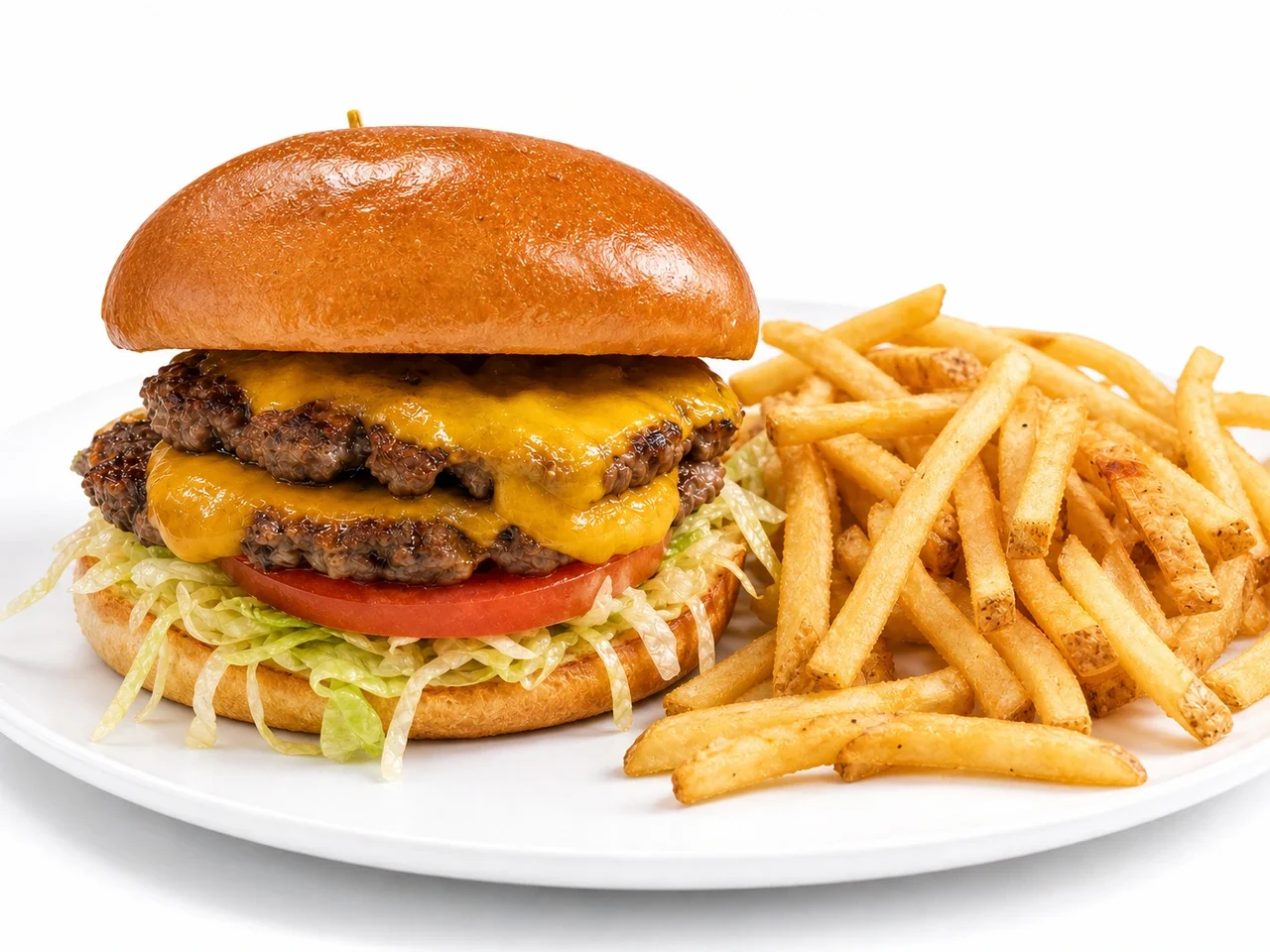
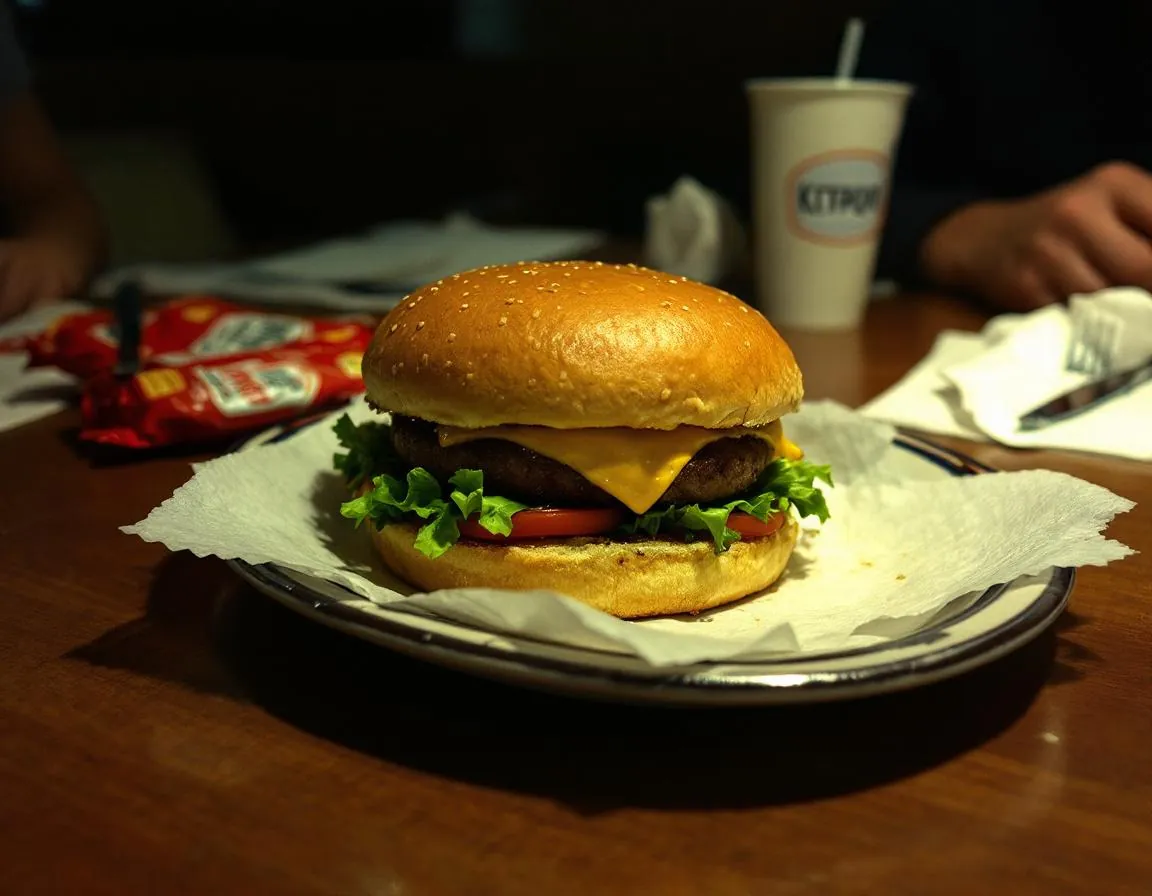
Drag to compare. Species color preserved, rice grain detail intact.
Why nigiri is the highest-stakes food photography category
Nigiri sushi has the highest per-piece price point of any common restaurant item in America — a single piece of otoro nigiri at a top Tokyo or NYC omakase can run $40-$80, and a full 15-piece omakase course can price $250-$500. That price point demands imagery that matches, and nigiri is one of the hardest foods to photograph correctly. The photography challenge is specific: nigiri is small (a 2-ounce piece), it has extreme color variation across species (deep red maguro next to pale ivory hirame), it often sits on dark surfaces that defeat phone auto-exposure, and it is garnished with elements (soy glaze, wasabi, ginger, yuzu) that each need distinct handling.
The fish-color problem is the signature technical challenge. Every species has a specific color range that customers use to judge both what the fish is and how fresh it is. Maguro sits in a deep blood-red range; lose the red and it looks starting-to-brown (stale). Salmon has a specific orange that varies by species — sockeye is deeper red-orange, king salmon is lighter, coho is between them. Phone cameras default to pushing all reds and oranges toward the same generic saturation, which both misidentifies species and makes everything look like the same fake-looking fake-fresh fish. The preset preserves species-specific color range by running per-color-band adjustments rather than global saturation. Uni stays specifically uni-orange, ikura stays specifically ikura-red-orange, tai stays specifically tai-pink-white.
The rice-grain problem is the second technical challenge. Properly-formed nigiri has rice that is hand-pressed — firm enough to hold shape during pickup with chopsticks, loose enough to fall apart when it hits your mouth. Visually this shows as individual rice grains distinct from each other with slight air gaps between them, plus a specific surface moisture level from the vinegar seasoning. Phone cameras compress the rice into a uniform white mass that looks either over-packed (machine-formed nigiri read) or mushy (old rice read). The preset uses grain-level sharpening to restore the individual-grain texture, which is what a knowledgeable sushi customer uses to judge whether the itamae (sushi chef) actually hand-pressed the rice or whether it came from a machine.
The dark-background problem is the third technical challenge. Sushi bars traditionally present nigiri on dark wood (hinoki or cedar), black slate, or dark ceramic surfaces, which is aesthetically right but creates extreme-contrast exposure problems for phone cameras. The bright fish (maguro red, salmon orange) against the dark background creates a dynamic range exceeding what most phones can render in a single frame. Phone auto-exposure picks one or the other: either it exposes for the background (fish blows out into washed color) or it exposes for the fish (background crushes into undifferentiated black and the presentation context is lost). The preset handles dark-background exposure specifically, preserving fish brightness against deep-dark surfaces the way a professional sushi photographer does with multi-zone metering. For cross-channel distribution and adjacent tools, see our AI tonkotsu ramen generator, Japanese low-carb photography, AI matcha latte generator, New York DoorDash photos, and sushi bar menu photography guides.
The business case for nigiri-focused operators is particularly strong because the customer base is extremely image-aware. Omakase customers, sushi-bar regulars, and premium sushi delivery customers are some of the most photography-literate food consumers in the market — they scroll Instagram sushi-chef accounts, they follow omakase reservation sites, they read sushi-specific food media. A menu photo that looks generic or over-processed actively signals an inauthentic operation to this customer base. The preset produces nigiri-authentic outputs that match the customer's visual expectation. At a credit cost of a few dollars per month for a full omakase refresh cadence, this is the highest-ROI photography investment available to a nigiri-focused operator.
FAQ
Does it preserve fish-color accuracy across species?
Fish color is the single most important signal in nigiri photography. Maguro red, salmon orange, hamachi yellow-white, hirame ivory, tai pink-white, uni orange-gold, ikura orange-red — each has a specific hue that customers use to judge both species identification and freshness. The preset preserves the species-specific color range rather than pushing all fish toward generic saturation.
Will it handle the rice-ball pressure correctly?
Properly-formed nigiri rice has a specific pressure — firm enough to hold shape but loose enough to fall apart in your mouth. Visually this shows as individual rice grains distinct from each other, with slight air gaps. Phone cameras compress the rice into a uniform white mass. The preset preserves grain-level detail so the rice reads as hand-pressed versus machine-formed.
Can it handle dark-background sushi-bar photography?
Sushi bars traditionally use dark wood or black stone surfaces, which creates an extreme-contrast photography problem for phone cameras. The preset handles dark-background exposure specifically — it preserves the bright fish color against the dark surface without blowing out the fish or crushing the background.
Does this work for omakase-course photography?
Yes. Omakase photography has specific needs: individual nigiri shots for progression stories, plus group shots showing course composition. The preset handles both, with per-piece color preservation on group shots so each fish stays distinct rather than blending into a pile of averaged color.
What about sauces, yuzu, and garnishes?
Nigiri is increasingly garnished with brushed nitsume, yuzu kosho, pickled vegetables, gold leaf, or torch-flash. The preset handles garnish color separately from the fish, so each element stays distinct. Torch-flash edges get specific handling to preserve the burnt-surface gradient without extending it across the whole piece.
Plans from $4.99/mo (20 credits)
Upload your first nigiri piece now. Menu-grade in 60 seconds.