Free tool
AI Tonkotsu Ramen Generator
Turn your phone pics of tonkotsu into menu-ready photos. Creamy broth intact, chashu gradient preserved, ajitama jammy — in under a minute per bowl.
Try it free — drop a ramen bowl photo
2 free enhancements per day, no signup required. Creamy stays creamy.

Drop your food photo here
or click to browse files
 Instant preview - takes under 30 seconds
JPG, PNG, or WebP up to 10 MB
1 instant preview — see the result, then unlock full-resolution downloads from $3.
How it works
Photograph the bowl
Overhead on dark wood or black stone — phone camera is fine.
Apply the tonkotsu preset
Broth creaminess, chashu gradient, ajitama yolk, noodle visibility.
Export everywhere
Menu, DoorDash, Uber Eats, Instagram — all crops in one pass.
Pricing vs a human photographer
| Option | 10-bowl ramen menu | Seasonal special |
|---|---|---|
| Food photographer | $1,500–$3,500 | $150–$350 per bowl |
| FoodPhoto.ai | $2.99 Try Pack + top-ups | 1 credit per shot |
Examples
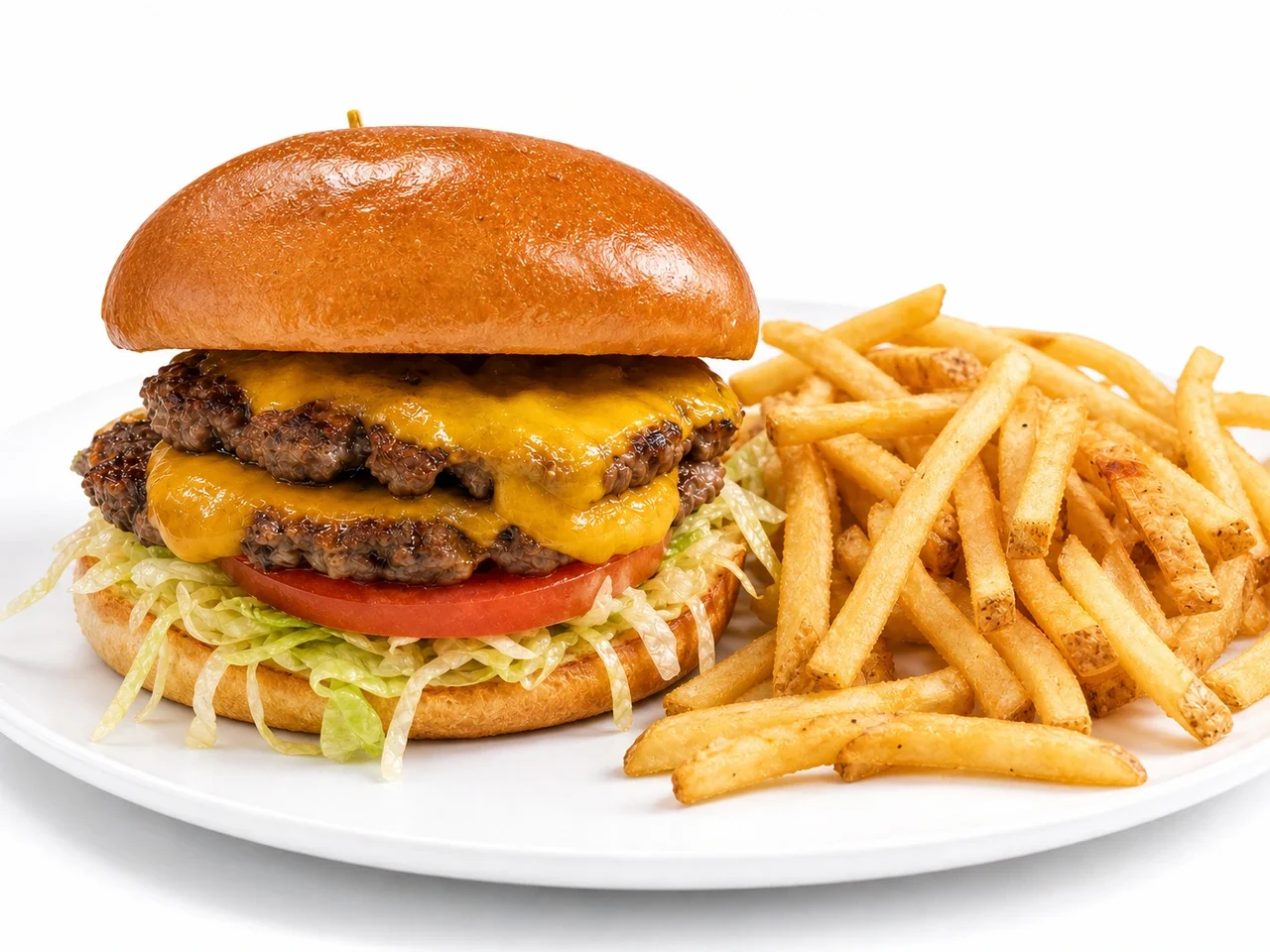
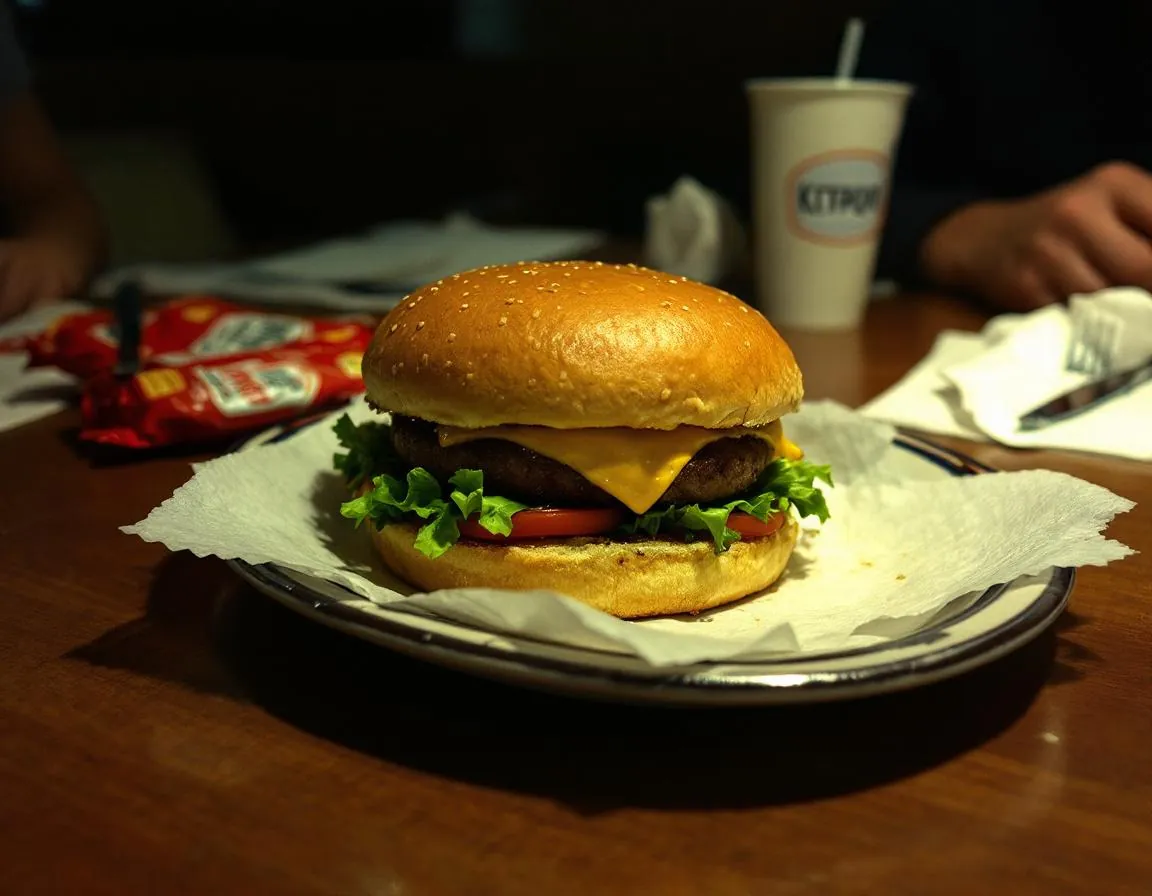
Drag to compare. Creamy broth preserved, chashu gradient visible.
Why tonkotsu is the hardest broth to photograph correctly
Tonkotsu ramen has the most challenging photography problem in the entire ramen category. Tonkotsu broth — simmered from pork bones for 12 to 18 hours until the collagen breaks down and the fat emulsifies into the water — produces a specific creamy-beige liquid that is neither transparent (like shio or shoyu) nor opaque (like miso). Customers scrolling a ramen menu use the visual signature of the broth to judge cook time and authenticity, and phone cameras systematically fail at this. They push tonkotsu broth toward either beige-paste (looks like gravy) or white-washed (looks like bad milk), and either failure signals an inauthentic bowl.
The broth-creaminess problem is the primary technical challenge. Proper tonkotsu has a specific visual richness that comes from emulsified collagen and rendered fat — the broth has depth without being opaque, and visible fat globules that tell customers the bowl is rich. Phone cameras either under-saturate (broth looks watery) or over-amplify specular (broth looks greasy). The preset calibrates broth rendering specifically for the tonkotsu range, preserving the cream without pushing either direction. This is the most important conversion signal for tonkotsu customers, who are often the most ramen-literate segment of the customer base — they know what 12-hour broth looks like and they clock shortcuts immediately.
The chashu problem is the second technical challenge. Chashu (braised pork belly or shoulder) has a specific mahogany-to-pink gradient based on braise time and technique. The outer surface is mahogany-brown from the soy-sake braise; the interior shows distinct fat-lean layering with the fat translucent-pink and the lean a specific rose-gray color. Phone cameras collapse this gradient into uniform brown. The preset preserves the gradient by treating the chashu as a distinct exposure zone separate from the broth, restoring the fat-lean distinction that signals proper braise technique.
The ajitama problem is the third technical challenge. Ajitama — the soft-boiled seasoned egg that is the second-most-iconic ramen topping — has a jammy, amber-orange yolk that is the specific ramen-egg signature. The yolk has to be visibly jammy (not runny, not set) and the whites need to show the mahogany staining from the soy-based seasoning. Phone cameras tend to either blow out the yolk into yellow-white or dull it into orange-brown, and they wash out the whites-staining gradient. The preset preserves the specific jammy amber-orange by handling yolk rendering separately from whites rendering. Combined with noodle-visibility lifting (so the straight or wavy noodles stay visible through creamy broth) and menma / naruto / green onion garnish preservation, the result is a ramen bowl that reads as authentic at menu-tile resolution. For cross-channel distribution and adjacent tools, see our Japanese low-carb photography, AI nigiri sushi generator, AI matcha latte generator, Korean fitness meal photos, and DoorDash food photography guides.
The business case for ramen-focused operators is specific to the customer sophistication. Ramen customers — particularly in the U.S. and U.K. markets where ramen has matured into a premium category — are some of the most dish-literate customers in Japanese cuisine. They read menu descriptions carefully, they compare broth styles, they know which chains have real tonkotsu versus shortcut versions. A menu photo that looks generic or over-processed signals a shortcut operation; a photo that accurately captures the tonkotsu-specific creaminess and chashu gradient signals an authentic bowl. The preset closes this gap for a credit cost that is trivial compared to even a single additional $22 bowl ordered. For a ramen operator competing in any major metro, this is a top-tier marketing investment.
FAQ
Does it render the creamy tonkotsu broth correctly?
Tonkotsu broth — simmered 12+ hours from pork bones — has a specific creamy-beige color with visible fat dispersion and a richness that signals long cook time. Phone cameras push it toward either beige-paste (dull) or white-washed (too light). The preset preserves the specific tonkotsu creaminess that tells customers the broth was properly simmered.
Will it preserve chashu color and ajitama yolk?
Yes. Chashu (braised pork belly) has a specific mahogany-to-pink gradient based on braise time, with visible fat-lean layering. Ajitama (soft-boiled seasoned egg) has a specific jammy yolk — amber-orange center, specific whites-to-yolk edge. The preset preserves both.
Can it handle the noodle visibility in creamy broth?
Straight or wavy ramen noodles sitting in creamy tonkotsu are partially submerged, and phone cameras often lose them entirely (noodles disappear into broth). The preset lifts localized contrast around the noodles so they stay visible even when mostly submerged.
Does this work for tsukemen, mazemen, and other ramen variants?
Yes. Tsukemen (dipping ramen — noodles and broth served separately), mazemen (no-broth brothless ramen), and soupless ramen each have their own photography challenges. The preset has sub-variants for each.
What about shio, shoyu, and miso ramen?
Each broth type has its own color balance — shio is clear-golden, shoyu is clear-amber, miso is opaque-gold with visible miso swirls, and tonkotsu is creamy-beige. The preset uses broth-type-specific treatment so each reads as its authentic style.
Plans from $4.99/mo (20 credits)
Upload your first tonkotsu bowl now. Menu-grade in 60 seconds.