Free tool
AI Sushi Photo Generator
Rolls, nigiri, sashimi, poke, omakase — phone photos into menu-grade sushi imagery in under a minute.
Try it free — drop a sushi plate photo
2 free enhancements per day, no signup required. Rice grain clarity, fish translucency, garnish sharpness — enhanced with respect for the craft.

Drop your food photo here
or click to browse files
 Instant preview - takes under 30 seconds
JPG, PNG, or WebP up to 10 MB
1 instant preview — see the result, then unlock full-resolution downloads from $3.
How it works
Plate and shoot
Slate board, wooden tray, or dark plate. Overhead or 30°. Phone camera.
Apply sushi preset
Enhances fish translucency, rice sheen, preserves garnish and sauce detail.
Export per platform
DoorDash, Uber Eats, Grubhub, Resy, OpenTable, Instagram.
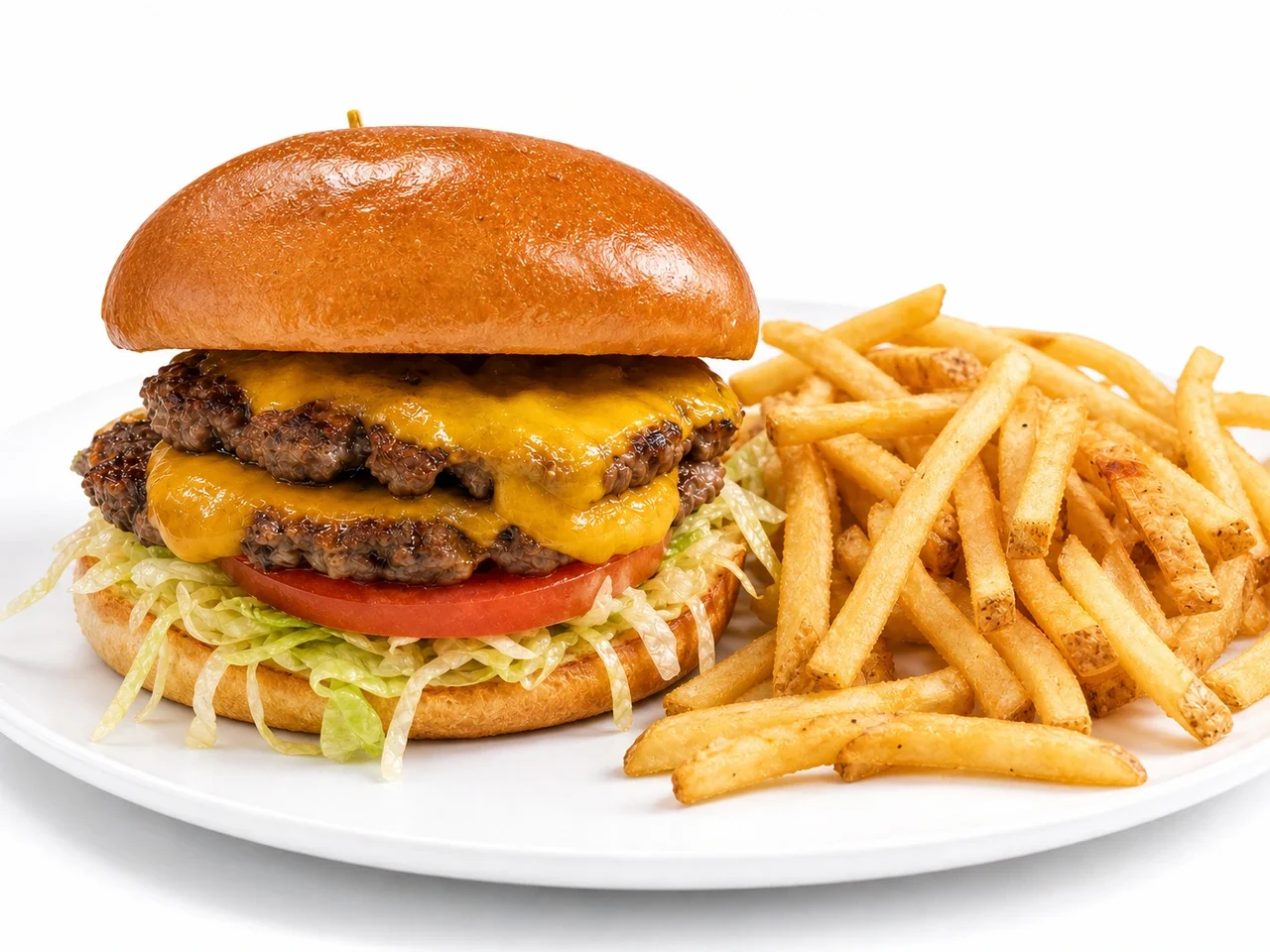
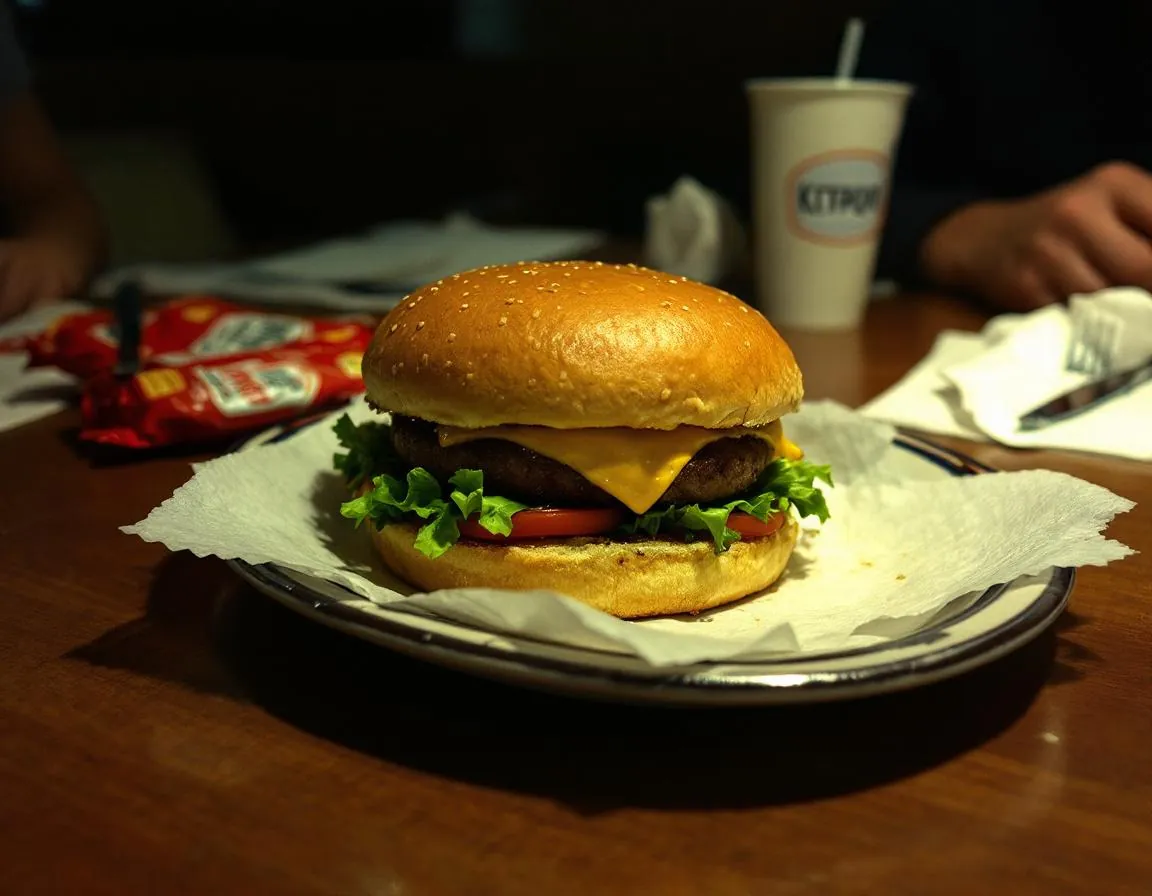
Drag to compare. Rolls, nigiri, sashimi — all supported.
Pricing vs a human photographer
| Option | 30-piece menu | Seasonal roll |
|---|---|---|
| Food photographer | $1,500–$4,500 | $120–$300 per shot |
| FoodPhoto.ai | $2.99 Try Pack + top-ups | 1 credit per shot |
Why sushi is the hardest food to photograph well
Sushi photography rewards detail and punishes shortcuts. Fish translucency, rice grain texture, nori gloss, and garnish precision all live in the edges — which is where phone cameras lose the most information. An amateur shot of a dragon roll looks like a brownish log on a dark background. A professional shot of the same roll reads every individual rice grain, the micro-shine on the eel sauce, the translucent edge of each avocado slice, and the sharpness of every cut.
Japanese restaurant operators know this viscerally. The difference between a $28 chirashi that looks "worth it" and one that looks "expensive for what it is" is entirely photographic. And the stakes are high — sushi is one of the highest average-ticket categories on delivery apps, often twice the platform average, which means a single customer-facing image does disproportionate revenue work.
The traditional solution has been pricey specialist photography. Sushi photographers charge at the top of the food-photography range, often $200–$400 per hero image, because the lighting setup is specialized (cross-polarized light to cut fish glare), the plating is styled per shot, and the post-processing (color grading each fish type accurately) takes time. For a 30-piece omakase menu, that's $6,000–$12,000. Most operators can't justify it, so they either skip photography entirely (brutal on delivery apps) or reuse the same 5 hero shots across an entire menu (looks lazy at the listing level).
FoodPhoto.ai's sushi preset encodes the specialist knowledge. The relighting respects dark backgrounds instead of over-brightening. The color grading handles each fish type correctly — salmon stays true-orange, toro reads deep-red-pink, white fish stays subtle. The edge-detection preserves rice grain definition instead of smoothing it to mush. Garnishes like micro-greens, tobiko, and scallions keep their color separation.
The economic flip is dramatic. A sushi bar with a 40-piece menu and one new seasonal roll per week was spending $6,000+ annually on photography. The same operator on FoodPhoto.ai spends under $30 annually including every weekly roll drop. That's the budget for two omakase tastings as R&D, or a year of Google Ads, or the new ticket-printer the line has been asking for.
Related: AI pizza photo generator, AI dessert photo generator, and our cuisine-specific guides.
FAQ
Does it work for nigiri, sashimi, rolls, hand rolls, and omakase plating?
All of them. The sushi preset handles low-profile nigiri, tall cut rolls, sashimi arrangements, hand rolls, chirashi bowls, and plated omakase courses. It preserves the cut-edge integrity and rice texture.
Sushi needs to look fresh — can AI do that without faking it?
Yes. We enhance translucency on fish, lift sheen on rice, and correct color temperature so salmon reads true-orange and tuna reads deep-red. What we don't do: add ingredients, change cut sizes, or alter portion counts.
Can it handle dark-background tatami or wood presentations?
Yes. The dark background is a signature sushi presentation and the preset preserves it. We clean up noise and stray grains of rice on the board, not the styling context.
Does this work for poke bowls and sushi burritos too?
Yes. Poke bowls and sushirritos use the same preset. Bowl shots from overhead work especially well — the AI lifts the color of the fish layer and the base rice.
Can I refresh a 60-piece omakase menu cost-effectively?
That's a perfect use case. A 60-piece menu traditionally costs $3,000–$6,000 to photograph. With FoodPhoto.ai it's 60 credits plus the $2.99 Try Pack — under $20 total.
Plans from $4.99/mo (20 credits)
Upload your first roll now.