Ghost Kitchen Photo Generator
Launch a delivery-only brand with a studio-grade menu this weekend. No photographer, no shoot day — just phone photos, a preset, and a Monday go-live.
Why photography is the ghost kitchen bottleneck
No storefront → photos are the only signal
Customers never see your kitchen. The photo is the entire brand experience pre-purchase.
Speed-to-launch is the business
Ghost kitchens succeed by launching, testing, killing. A 3-week photography cycle kills that loop.
Shared kitchen, distinct brands
If you run 3 ghost brands, customers must not notice they share a kitchen. Photos do that work.
How it works
- 1
Define the brand aesthetic
Pick lighting (moody, bright, clean) and background style. That's your Brand Pack.
- 2
Shoot each dish once on your phone
30 dishes, about 45 minutes, during a prep shift.
- 3
Batch-export and upload
DoorDash, Uber Eats, Grubhub specs applied. Monday morning the brand is live.
Pricing vs a human photographer
| Option | Brand launch (25 dishes) | 3-brand portfolio |
|---|---|---|
| Photographer | $1,500–$4,500 | $4,500–$13,500 |
| Freelancer | $625–$1,875 | $1,875–$5,625 |
| FoodPhoto.ai | $3 Starter + top-ups | Under $50 for all three |
The ghost-kitchen loop, unblocked
Ghost kitchens are a game of speed and volume. Launch a concept. Watch the data. Kill it or double down. The brands that win this game — think of the operators who built 20-brand portfolios from a single production kitchen — treat every brand as a hypothesis to test within weeks, not quarters. Photography has historically been the single biggest blocker to that loop. A three-week photography cycle means three weeks of kitchen overhead with no revenue validation. A $3,000 photography bill for a concept that might fail in a month is a brutal cost-of-hypothesis.
The market response has been dysfunctional. Some operators ship low-quality phone pics at launch and plan to "upgrade later" — but delivery-app algorithms weight early performance heavily, and a brand that launches with bad photos never gets a second chance. Other operators hire one photographer and give every brand the same visual treatment — but customers who order from two brands from your kitchen notice when the packaging is identical, and the house-of-brands illusion collapses. There was no good option.
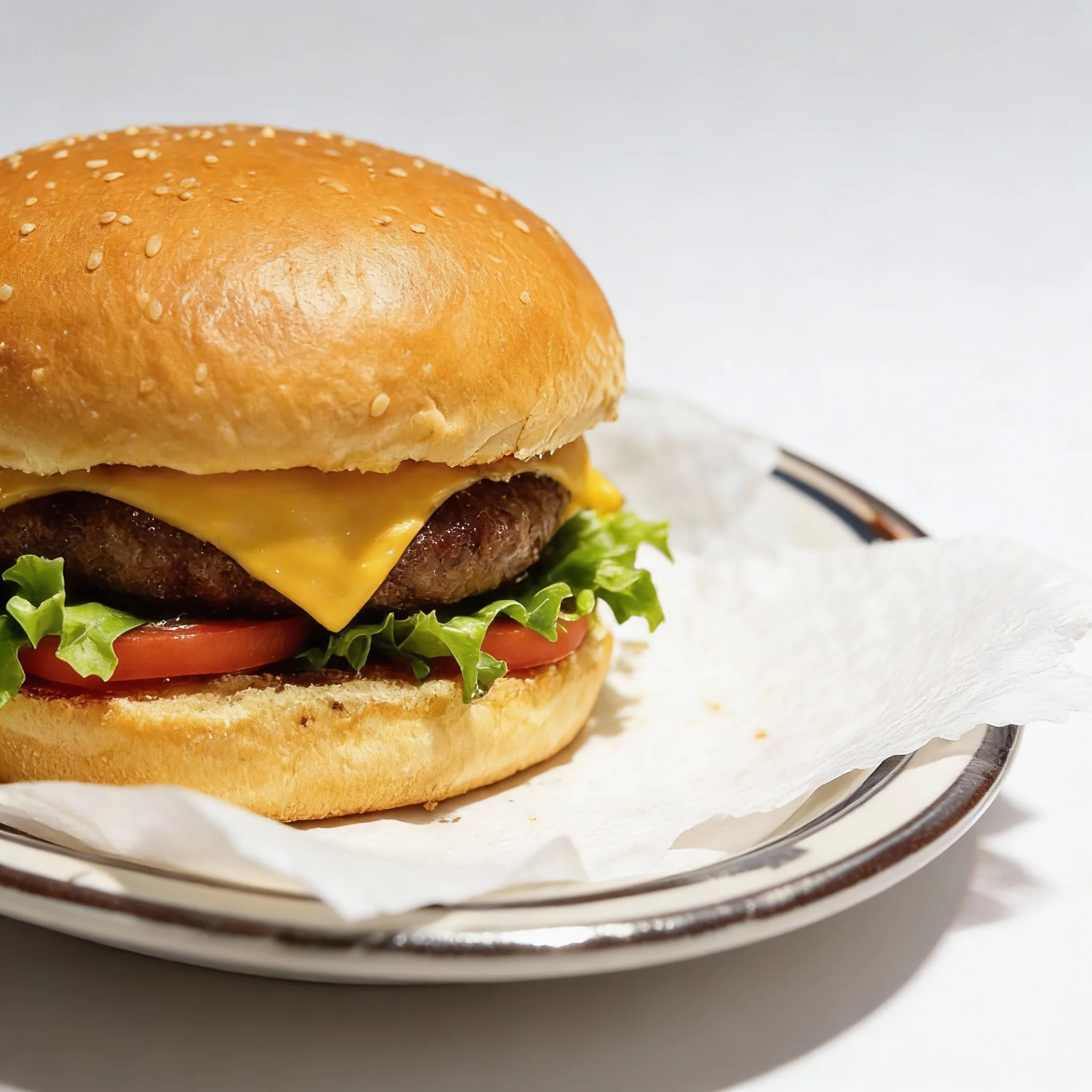
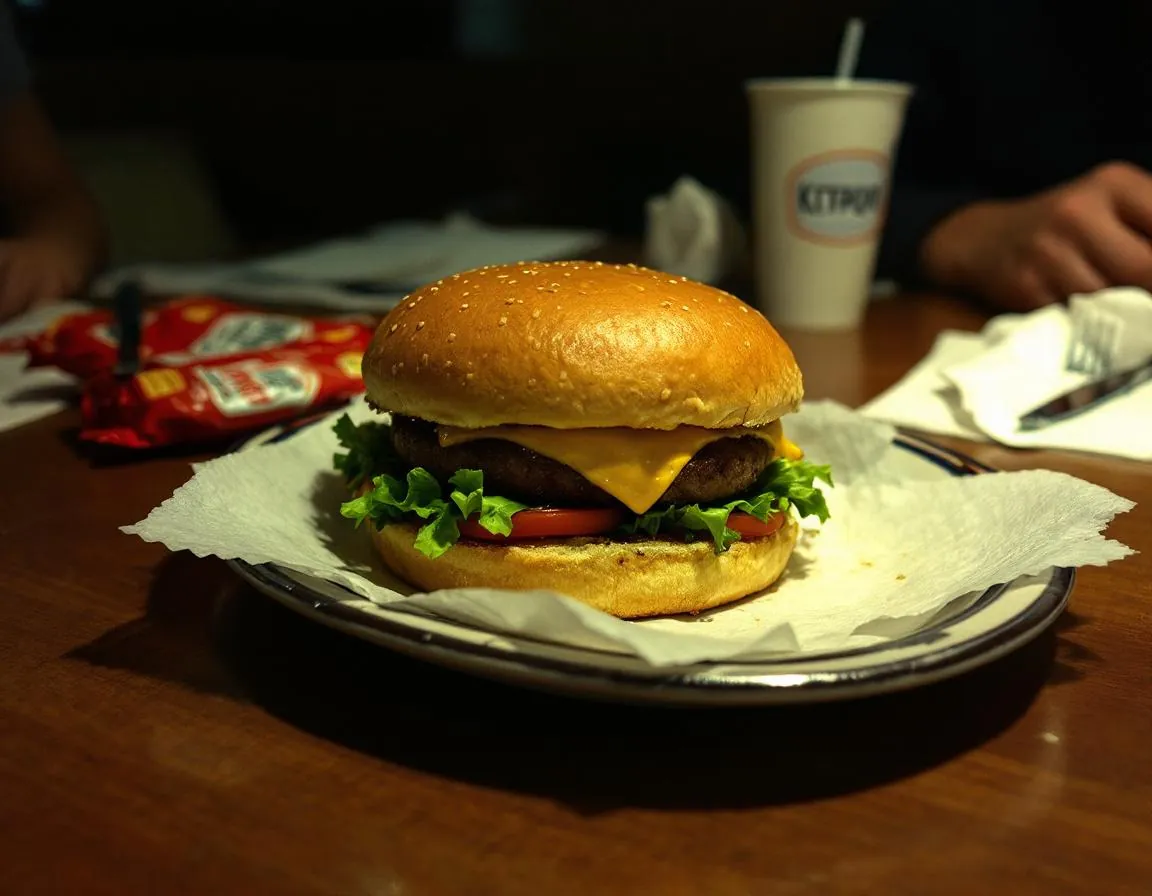
FoodPhoto.ai re-writes the economics. Ship every brand with studio-grade photos on day one. Give each brand its own visual identity with per-brand Brand Packs. If a concept dies in week three, you're out one weekend and a few dollars in credits. If it takes off, you have a photo asset base that scales with the menu through every refresh, every LTO, every seasonal drop. The loop actually works now.
For multi-brand operators, the workflow compounds. One kitchen, one prep shift on a Saturday, three concurrent brand shoots. Each concept gets its Brand Pack applied — moody warm for the wings brand, bright minimalist for the bowls brand, pastel for the dessert brand. Monday morning, three delivery-app launches. Compared to the old world of three separate $3,000 photographer bookings over three calendar weeks, the compression is ridiculous. That's the advantage that separates the cloud-kitchen operators who grew to 20 brands from the ones who got stuck at two.
The honest caveat: delivery-app policies around AI-enhanced photography evolve. DoorDash, for example, has warned operators about photos that look "heavily modified or AI-generated." FoodPhoto.ai stays strictly inside the enhancement lane — real dish, real ingredients, real portion size, with lighting and background cleaned up. We do not fabricate content that wasn't there, and the output looks like professional food photography rather than obviously synthetic imagery. That's a deliberate design choice.
Related: cloud kitchen photography, Uber Eats menu photo optimizer, DoorDash food photography, and Grubhub food photography.
FAQ
Ghost kitchen, dark kitchen, virtual restaurant — are they different?
Mostly interchangeable. Ghost kitchen usually implies a single delivery-only brand without walk-in traffic. Dark kitchen is the British equivalent. Virtual restaurant often describes a brand layered on top of an existing restaurant's kitchen. All three have the same photography problem.
How fast can I launch a new brand?
With FoodPhoto.ai, launching a 25-item ghost-kitchen menu takes a weekend. Saturday: define the brand aesthetic and shoot the menu on your phone. Sunday: batch-process, export per platform, upload to DoorDash/Uber Eats/Grubhub dashboards. Monday: you're live.
Can I make two ghost brands from the same kitchen look totally different?
Yes. Brand Packs store different lighting, color grading, and background styles per brand. Your wings brand can have moody warm shots while your salad brand is bright and minimal — from the same kitchen, same day.
What if my brand fails? Is the photo investment wasted?
Ghost kitchens are designed for fast iteration. At under $50 total photography cost per brand, you can test 10 concepts a year. Most fail; one wins; the photography spend stays trivial either way.
Do ghost kitchen photos need to look different from a real restaurant?
Not really. DoorDash, Uber Eats, and Grubhub customers don't know you have no storefront. The photo quality bar is the same. What matters is visual distinction from other ghost brands on the same platform.
Start free — 10 credits
Launch your next ghost kitchen brand this weekend.