AI meal prep photography for weekly rotations
Container shots with glare control, legible labels, and a hero-plus-plated pair per meal. Shoot 40 meals Sunday afternoon, ship Monday morning.
How it works
Shoot the weekly batch
Two shots per meal: overhead container and plated angle. One afternoon, whole rotation.
Apply the meal-prep preset
Container glare removal, label sharpening, compartment color separation.
Export to site + social
Shopify, Subbly, Stripe checkout, Instagram, email hero — all in one pass.
Pricing vs a human photographer
| Option | 40-meal rotation | Weekly refresh |
|---|---|---|
| Food photographer | $3,000–$7,000 | $200–$400 per meal |
| FoodPhoto.ai | $3 Starter + top-ups | 1 credit per shot |
Examples
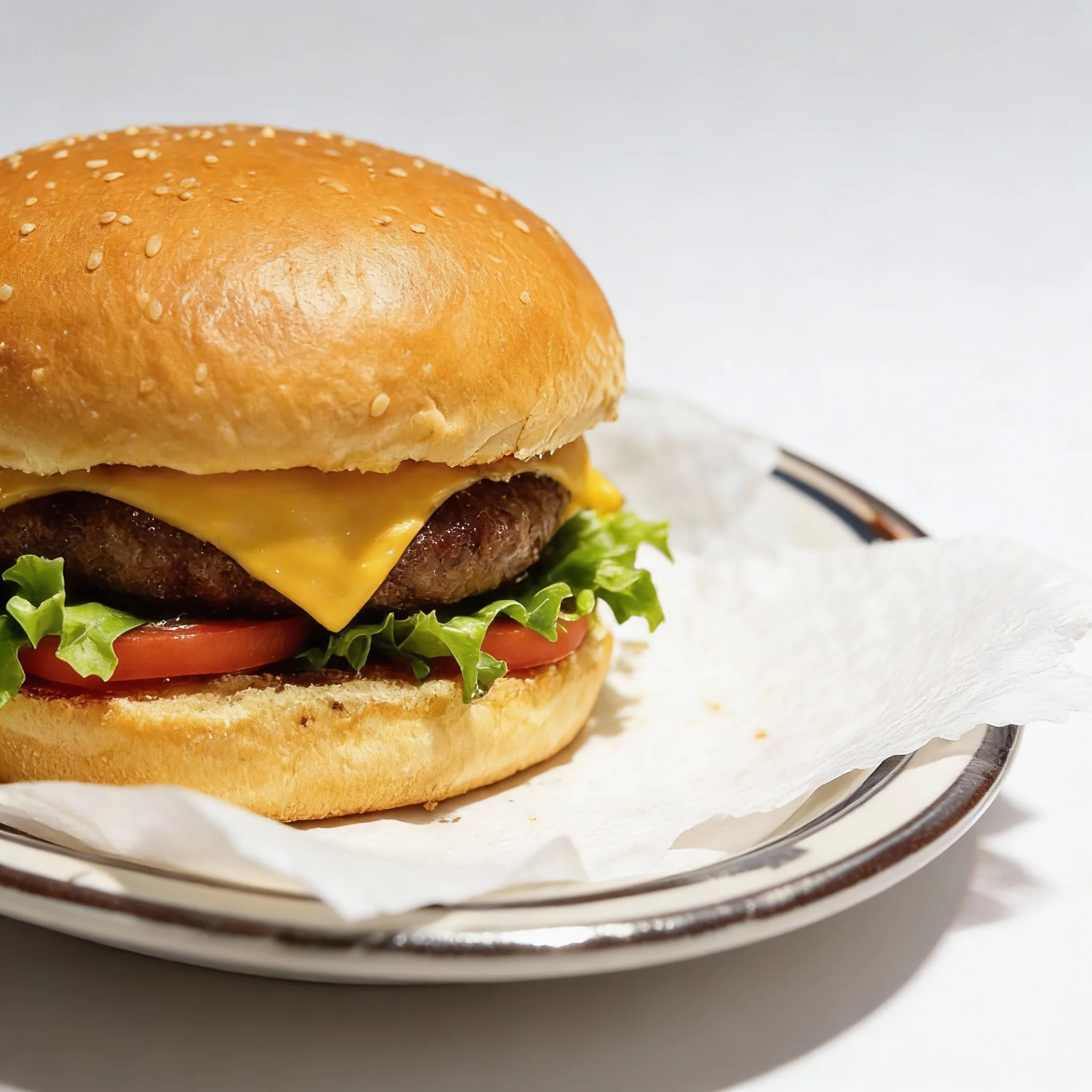
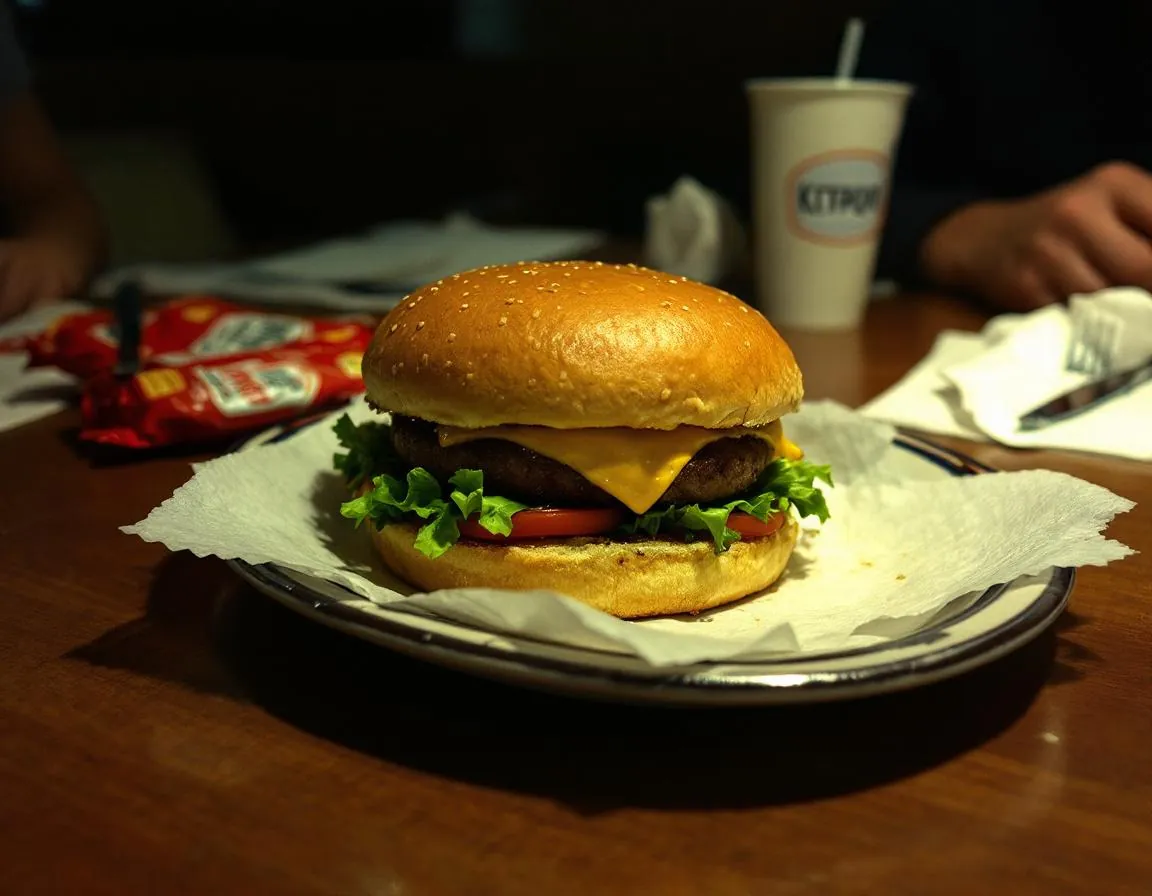
Drag to compare. Glare controlled, label legible, compartments distinct.
Why meal-prep photography is a weekly problem
Meal-prep businesses have a photography cadence that no traditional studio model can support. The economic unit is a weekly rotation — 20, 40, 60 distinct meals that change every seven days. Your customers log in Sunday evening to pick next week's orders. If the photos are not fresh, they see last week's chicken tikka when the menu is actually offering herb-roasted cod, and your conversion drops. You need the full catalog photographed, processed, and uploaded every single week, indefinitely, without the cost structure breaking your margins.
Under the photographer model, this is unaffordable. A food photographer charges $150–$400 per hero image. A 40-meal rotation at $250 per meal is $10,000 a week. Even the cheapest Fiverr freelancer charges $25–$50 per image, which still puts a weekly refresh at $1,000–$2,000. Meal-prep margins, especially in the $9–$15 meal price point, simply cannot absorb that. So most operators shoot the first menu thoroughly, then cycle through old photos for months — and their churn numbers show it.
FoodPhoto.ai collapses that economics. A 40-meal weekly rotation needs 80 upload slots (container shot plus plated shot per meal), which runs four Starter top-ups — under $15 a week. The operator time is the bigger win. You shoot Sunday 2pm to 4pm during regular prep, upload the batch while you clean up, and wake Monday to a fully refreshed website. No booking, no scheduling, no style-drift between weeks.
The preset is tuned specifically for meal-prep visual problems. Container glare from plastic lids is the single most common ruined shot — the preset detects the flat glare pattern and removes it while preserving the underlying food color. Compartment separation is the second issue: in a three-compartment tray, protein, starch, and vegetable can blur into one another visually. We amplify the dividing edges and apply independent color correction per compartment. Macro-label sharpening is third: if you put a sticker with nutrition info on the lid, phone cameras tend to blur it, and customers cannot read 38g protein at thumbnail size. The preset sharpens label text without altering the content, so your transparency becomes a conversion asset instead of a wasted pixel.
For operators running multiple diet tracks, link this with our diet-specific pages: keto, vegan, paleo, and protein/fitness. For DTC distribution see our Shopify food product photography guide, and for delivery-app distribution see DoorDash food photography.
One subtlety worth calling out. Meal-prep businesses sit at the intersection of food marketing and subscription-commerce compliance. Stripe, Shopify, and Visa-network subscription rules all require the product delivered to match the product advertised. If your hero image materially overstates what ships, you risk chargebacks, platform penalties, and — for larger operations — class-action exposure. Because our enhancement pipeline only touches light, color, sharpness, and background, the enhanced photo still represents the actual meal. That discipline is why operators trust FoodPhoto.ai for subscription-adjacent marketing.
FAQ
Does this work for meals still in their containers?
Yes — container shots are a primary use case. The preset handles plastic-lid glare, clamshell reflections, and compartmented trays. It can also re-light the food inside the container so the sous-vide chicken actually reads as chicken instead of a gray shadow behind plastic.
Can I batch-shoot 40 meals in one session?
A single Sunday afternoon gets you through 40–60 meals easily. Two phone shots per meal (overhead for the container, angled for the plated version), then one batch upload. Under a minute per output image. The full catalog refreshes before you finish prepping next week's orders.
What about legibility of nutrition labels on the container?
We sharpen label text without altering the content. If your macro sticker says 38g protein / 42g carb / 12g fat, the enhanced photo shows the same values — just readable at thumbnail sizes on a phone screen. Operators who sell on Instagram or DTC sites use this for macro-transparent hero shots.
Does the preset handle the dual shot — in-container + plated?
Yes. The typical meal-prep photo treatment is a hero plated shot (appetizing, 30° angle) plus a secondary in-container shot (shows the customer what actually arrives). Our preset covers both in one upload per meal, so you ship a consistent visual identity across the pair.
Is this safe for subscription / recurring-billing meal kits?
Yes. Subscription businesses live on trust — the meal that shows up must match the photo. Because we only enhance light, color, sharpness, and background (never ingredients or portion), the enhanced photo still represents your actual prep. That is exactly the spec subscription customers want.
Start free — 10 credits
Upload this week's rotation. Ship your site before Monday.