AI protein and fitness meal photography
Honest portions, macro-ready crops, and appetite-forward lighting for high-protein meal brands. From phone pic to menu-grade in 60 seconds.
How it works
Shoot overhead + angle
12 inches above the plate for portion clarity, plus a 30° angle for appetite appeal.
Apply the protein-meal preset
Ingredient separation, honest lighting, no portion-inflating garnish tricks.
Export for every channel
Shopify, delivery apps, Instagram, macro-card templates — all in one pass.
Pricing vs a human photographer
| Option | 30-meal rotation | Weekly refresh |
|---|---|---|
| Food photographer | $2,500–$6,000 | $150–$350 per meal |
| FoodPhoto.ai | $3 Starter + top-ups | 1 credit per shot |
Examples
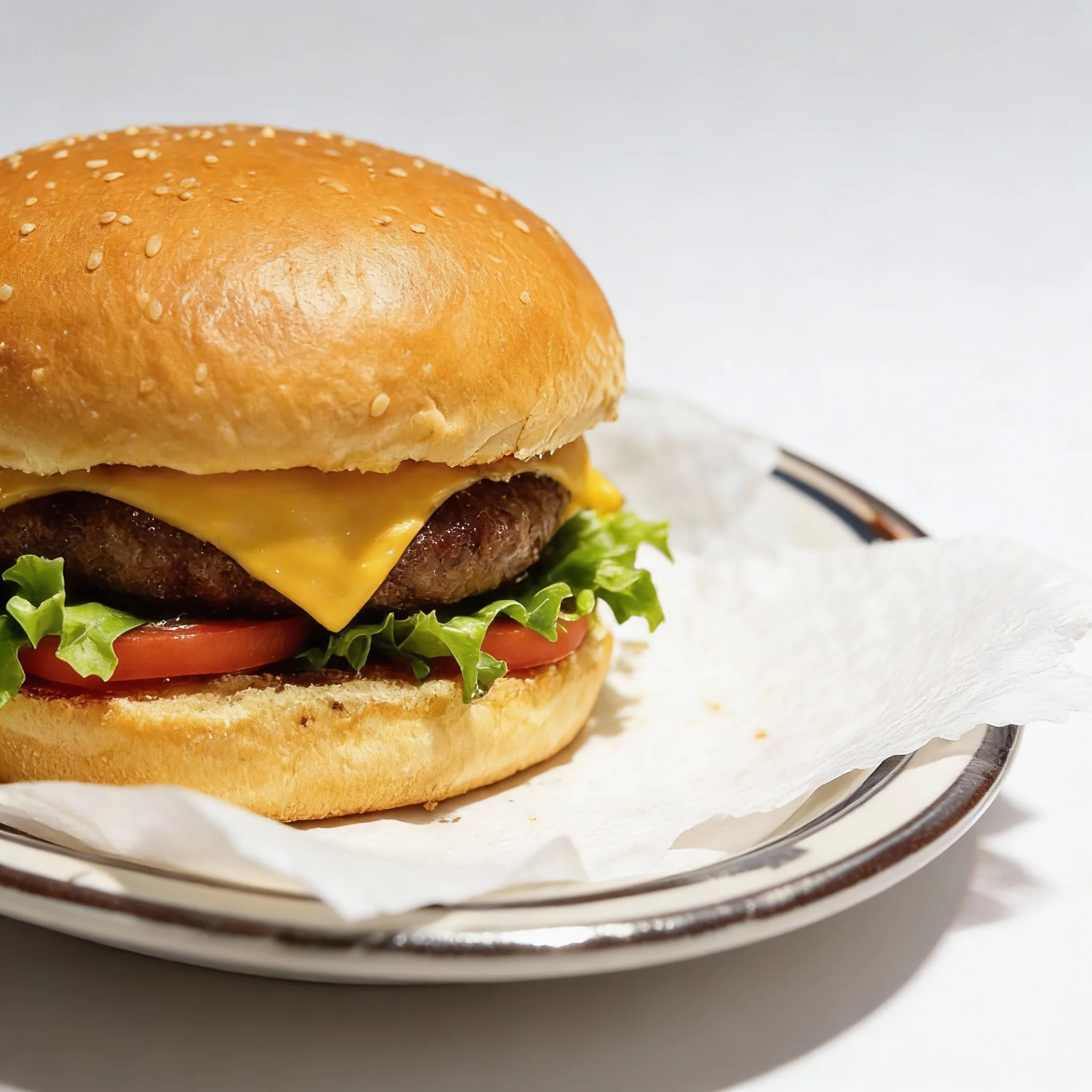
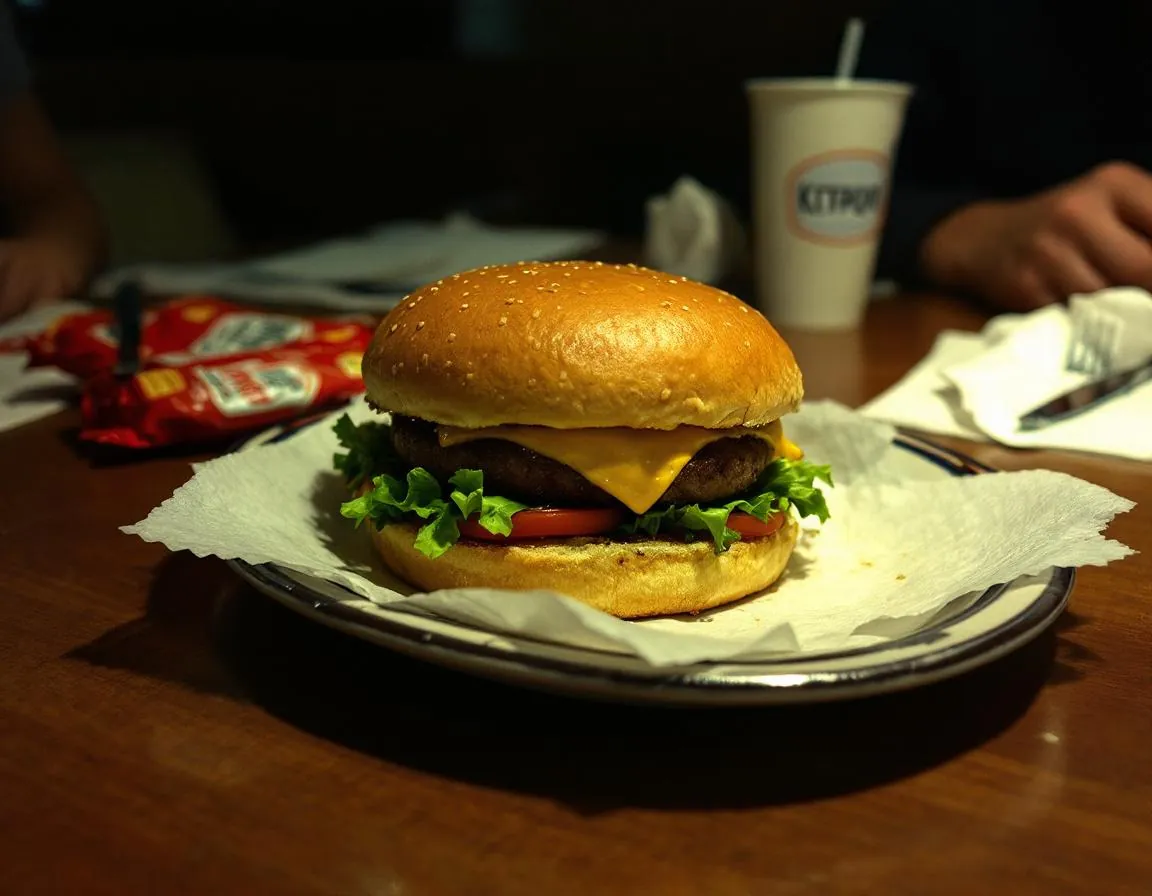
Drag to compare. Portion integrity preserved, ingredient separation restored.
Why fitness meal photography is a trust game
Fitness customers are the most photo-literate audience in food. They have spent years logging meals in MyFitnessPal, comparing macro splits on Reddit, and screenshotting before/after portion photos from meal-prep subreddits. When they buy a 40 g-protein chicken bowl from your brand, they are not just buying calories — they are buying the claim that the photo on your website matches what shows up in the cooler. Break that trust once and you lose a customer who was going to order 12 meals a week for the next year.
The photography implications are non-obvious. Every trick a conventional food stylist uses to make a plate look better — oversize garnish, artful sauce drips, dramatic angle — actively damages your credibility with a fitness audience. Oversize garnish inflates perceived portion. A dramatic angle hides how much rice is actually in the bowl. Sauce drips make the meal look carb-heavier than the macros claim. So fitness photography has to be both appetizing and honest, which is a narrower needle than most food categories.
Our protein-meal preset is tuned for this constraint. The default output uses a slightly elevated overhead crop that preserves volumetric cues, so a customer can reasonably estimate whether a bowl contains six ounces of chicken or eight. Ingredient separation is amplified so the rice, the protein, and the vegetable components each read clearly — no ambiguity about macro split. Color correction stays within a neutral window to avoid overselling freshness. The net effect: the photo looks great without taking photographic liberties you would not want a lawyer to parse.
For operators, the workflow matters as much as the output. Most meal-prep businesses refresh their menu weekly. Forty to sixty meals, two shots each, shot Sunday afternoon, processed in a batch run Sunday evening, live on the site and DoorDash Monday morning. Under a traditional photographer model, that cadence is impossible — you cannot book a studio every week. Under FoodPhoto.ai, it is a standard Sunday-night routine. Credits start at $3 for 20 images, so keeping a 60-meal rotation visually current runs well under $10 per week.
For cross-channel distribution, pair this page with our meal-prep photography workflow for container-based shoots, our DoorDash food photography guide for delivery optimization, and our Shopify food product photography if you sell direct. Complementary diet niches include keto and paleo which share parts of the honesty framework but diverge on aesthetics.
A final point on FTC and state advertising rules. Several state attorneys general have opened inquiries into meal-kit and prepared-meal brands whose photography overstated portion or protein density. None of those cases involved AI — they were traditional studio-styled shots — but the legal principle is the same regardless of tooling: your photo cannot materially misrepresent the delivered product. Our preset is built inside that constraint, which is why it is popular with operators who actually read their own compliance memos.
FAQ
What is different about fitness and protein-meal photography?
Fitness customers buy on portion size and macro accuracy as much as aesthetics. Our preset emphasizes plate separation (so chicken, rice, and broccoli are clearly the stated portions), uses honest overhead crops that let customers estimate volume, and preserves the actual meal composition without adding visual "garnish padding" that distorts portion perception.
Can I add macro-card overlays to the photos?
Export the enhanced image and layer macros in Canva, your meal-kit CMS, or your Shopify theme. We keep text off the photo itself so you can reuse the same hero for the site, Instagram, ads, and DoorDash without text collisions on any channel.
Is this compliant with "shows actual meal" claims?
Yes. We only enhance light, color, sharpness, and background. Portion size, ingredient count, and plate arrangement stay exactly as shot. If a customer receives your 40 g-protein chicken bowl and compares it to your website photo, the meal matches.
Does it work for bulking meals — bigger portions, denser plates?
Yes, and it is actually more forgiving because denser plates give the preset more texture to work with. Steak and sweet potato with broccoli, oats with berries and whey, rice bowls stacked with chicken — all render cleanly with visible portion integrity.
How should I shoot fitness meals for best results?
Two shots per meal: a clean overhead at 12 inches above the plate (for macro-accurate portion perception) and a 30° angle shot (for depth and appetite appeal). Natural window light, no flash, white or light-wood background. Under three minutes per meal.
Start free — 10 credits
Upload your first fitness meal now. Menu-grade in 60 seconds.