Mexico City restaurant photography for Rappi, Uber Eats and DiDi Food
Tacos al pastor and de guisado, pozole and birria, chilaquiles, tortas and tlacoyos, mole, quesadillas and aguas frescas — from la Roma and Condesa to Coyoacán and the colonias populares, CDMX operators ship menu-grade photos the same afternoon for Mexico's delivery apps.
How it works
Photograph the dish
Phone overhead or 30°. Window light if you can get it.
Apply the preset
Color, light, sharpness and background, tuned for mexico city restaurant photography.
Export everywhere
Menu, delivery apps, social, Google Business: all crops in one pass.
Pricing vs a human photographer
| Option | 30-dish CDMX menu | Refresh cadence |
|---|---|---|
| Mexico City food photographer | MXN 8,000–35,000 | MXN 300–1,200 per dish |
| FoodPhoto.ai | $4.99 Starter + top-ups | 1 credit per shot |
Examples
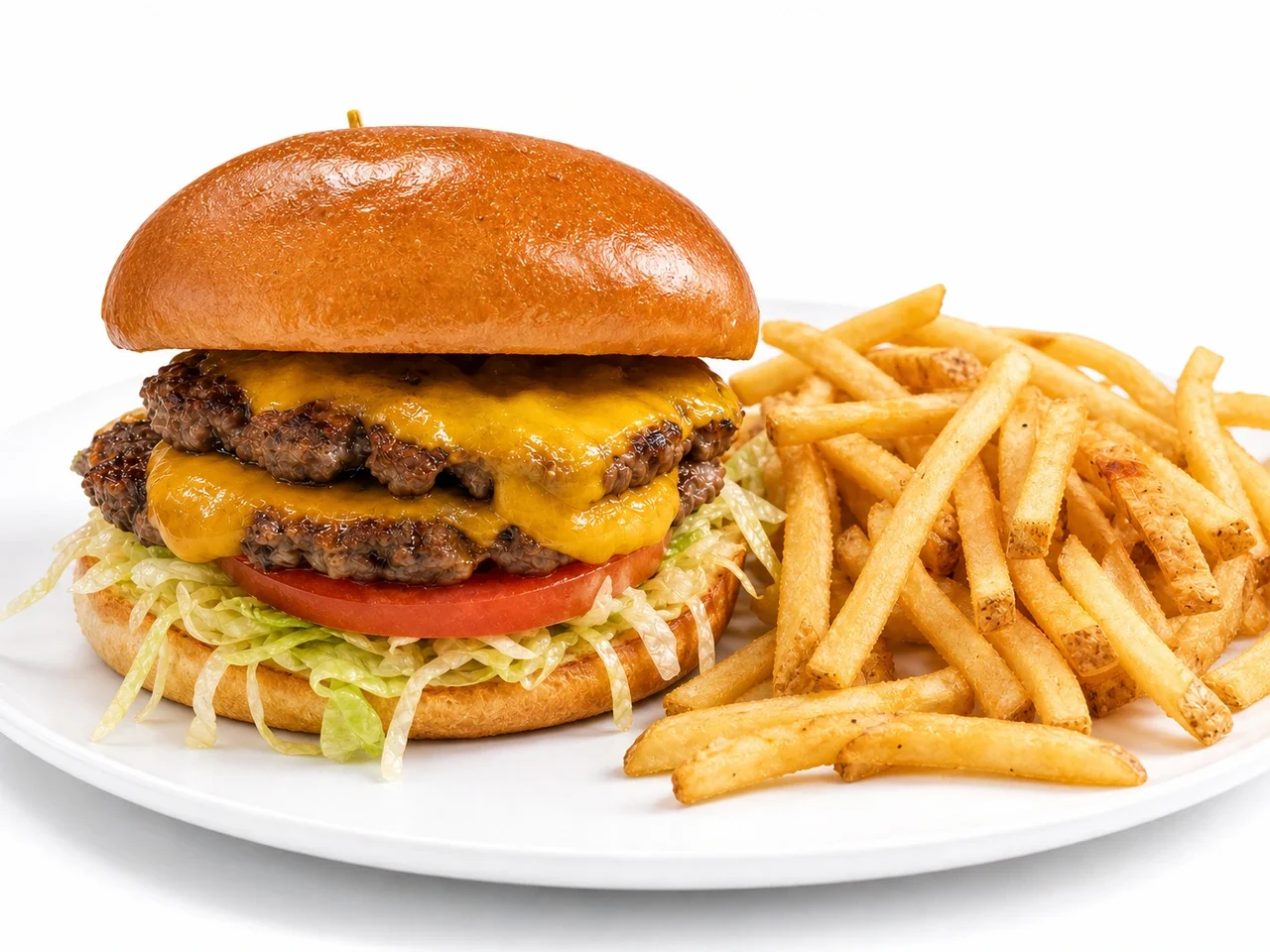
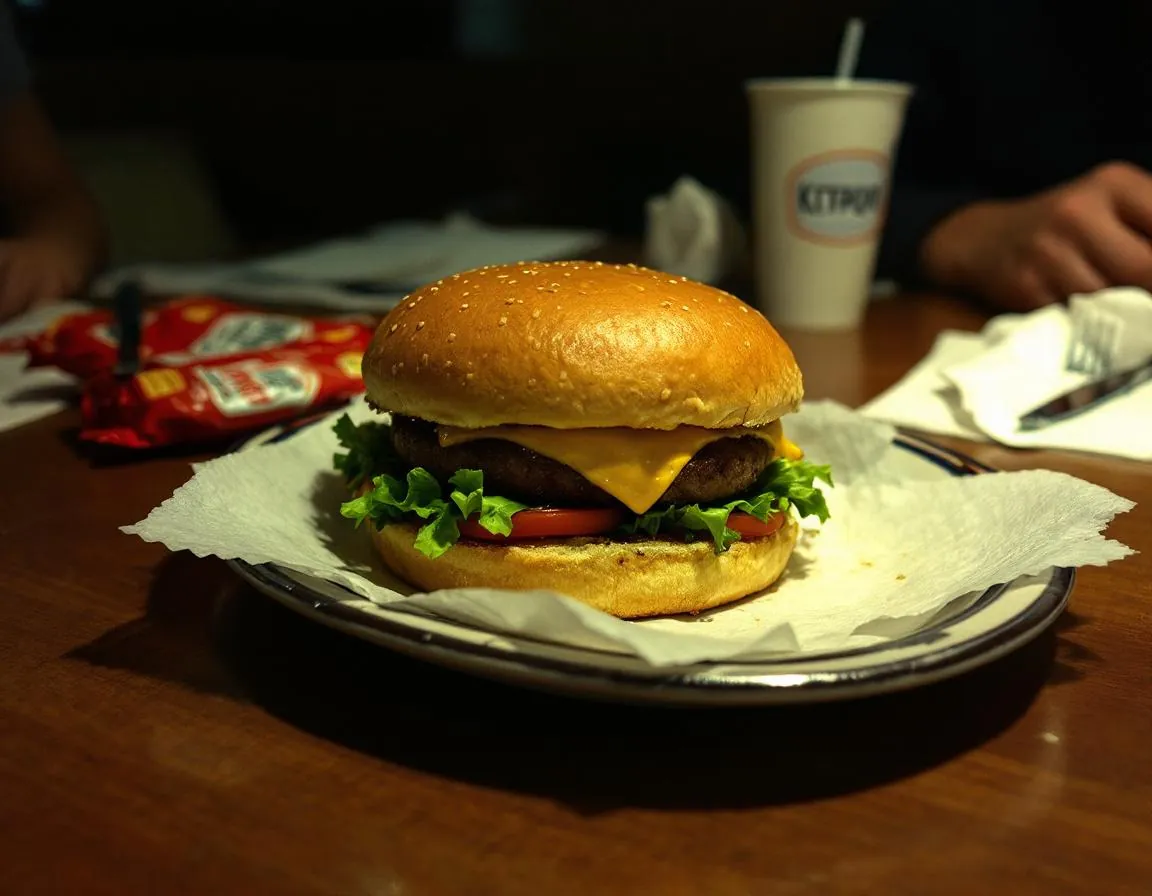
Drag to compare. Menu-grade output in 60 seconds.
Why Mexico City menu photography is a delivery-led discipline
Mexico City is one of Latin America's biggest delivery markets, with Rappi, Uber Eats and DiDi Food all fighting for share and most operators listed on more than one. In a vast, traffic-heavy metropolis where ordering in is a daily habit across income levels, the menu tile photo is the single biggest lever on order conversion — and it is where fondas, taquerías and neighbourhood restaurants most often lose to chains and to the cloud-kitchen brands that already shoot professionally.
CDMX's food is among the richest and most varied anywhere. One delivery radius can hold a taquería al pastor, a fonda doing comida corrida, a pozolería, a torta counter, an Oaxacan mole kitchen and a modern café. No single photographic look serves all of that. The Mexico City preset auto-detects dish category and tunes color, light and texture per dish, so a plate of tacos al pastor and a bowl of pozole each get appropriate handling rather than one flattening filter.
Several CDMX staples are genuinely hard to photograph. Tacos al pastor depend on the deep red-orange of the adobo-marinated meat and the char from the trompo — both go muddy under taquería light, so the preset corrects white balance and contrast. Mole is a dark, glossy sauce that reads as a flat brown smear without careful handling; the preset restores its sheen and depth. Pozole and caldos are broth-led and need the hominy, meat and garnishes to separate. Chilaquiles need the salsa color (red or green) and the crisp-then-soaked totopo texture to read against thumbnail compression.
The cost gap is what the AI closes. A Mexico City food photographer typically charges MXN 8,000–35,000 for a full menu shoot. With FoodPhoto.ai an operator — from a street-corner taquería to a full restaurant — shoots every dish on a phone and has the menu enhanced for a fraction of that, same-day. That cadence suits CDMX's fast-moving scene of daily specials, comida corrida menus and a large, rapidly growing dark-kitchen industry.
CDMX diners are increasingly image-led, especially the young urban audience driving delivery growth. A dense Instagram and food-media culture sets the bar for what an appetizing tile looks like, and a dull phone photo signals a tired kitchen. Closing the photography gap is one of the few affordable, high-leverage moves an independent has against better-funded competitors on the same delivery feed.
A note on honesty: the preset is restrained. We enhance light, color, sharpness, crop and background, but we never add steam that was not there, never paint extra meat onto the plate, and never invent garnish. The dish a CDMX customer receives matches the photo — keeping you compliant with Rappi, Uber Eats and DiDi Food image and accuracy rules.
For related patterns, see our Mexican restaurant photography, cloud kitchen photography, delivery photo specs, AI menu photos, is AI food photography allowed.
FAQ
Does it work for Rappi, Uber Eats and DiDi Food?
Yes. We export menu-grade images in the crops and resolutions used by Rappi, Uber Eats and DiDi Food — the platforms most Mexico City operators list on. One enhancement covers all of them.
Can it make tacos al pastor look appetizing instead of muddy?
Yes. The adobo-red meat and trompo char go muddy under taquería light. The preset corrects white balance and contrast so the pastor reads vivid and charred, while keeping the taco faithful to what is served.
What about mole and dark sauces?
Yes. Mole reads as a flat brown smear without careful handling. The preset restores its sheen and depth so the sauce looks glossy and rich rather than dull.
How much does it cost versus a Mexico City food photographer?
A CDMX menu shoot typically runs MXN 8,000–35,000. FoodPhoto.ai starts at a $2.99 USD Try Pack (5 credits) or $4.99/month USD Starter (20 credits), one credit per shot — a fraction of a single shoot.
Is AI-enhanced photography allowed on Mexican delivery apps?
Yes. We only enhance light, color, sharpness, crop and background — never the food, ingredients or portion. That keeps output compliant with Rappi, Uber Eats and DiDi Food image and accuracy rules.
Start for $4.99, 20 photos
Upload your first dish now. Menu-grade in 60 seconds.