Tokyo restaurant photography for Uber Eats, Demae-can and Wolt
Ramen and tsukemen, sushi and chirashi, tonkatsu, gyudon and katsudon, izakaya small plates, tempura and curry rice — from Shinjuku to Shibuya to the shitamachi, Tokyo operators ship menu-grade photos the same afternoon for Japan's delivery apps.
How it works
Photograph the dish
Phone overhead or 30°. Window light if you can get it.
Apply the preset
Color, light, sharpness and background, tuned for tokyo restaurant photography.
Export everywhere
Menu, delivery apps, social, Google Business: all crops in one pass.
Pricing vs a human photographer
| Option | 30-dish Tokyo menu | Refresh cadence |
|---|---|---|
| Tokyo food photographer | ¥150,000–600,000 | ¥5,000–20,000 per dish |
| FoodPhoto.ai | $4.99 Starter + top-ups | 1 credit per shot |
Examples
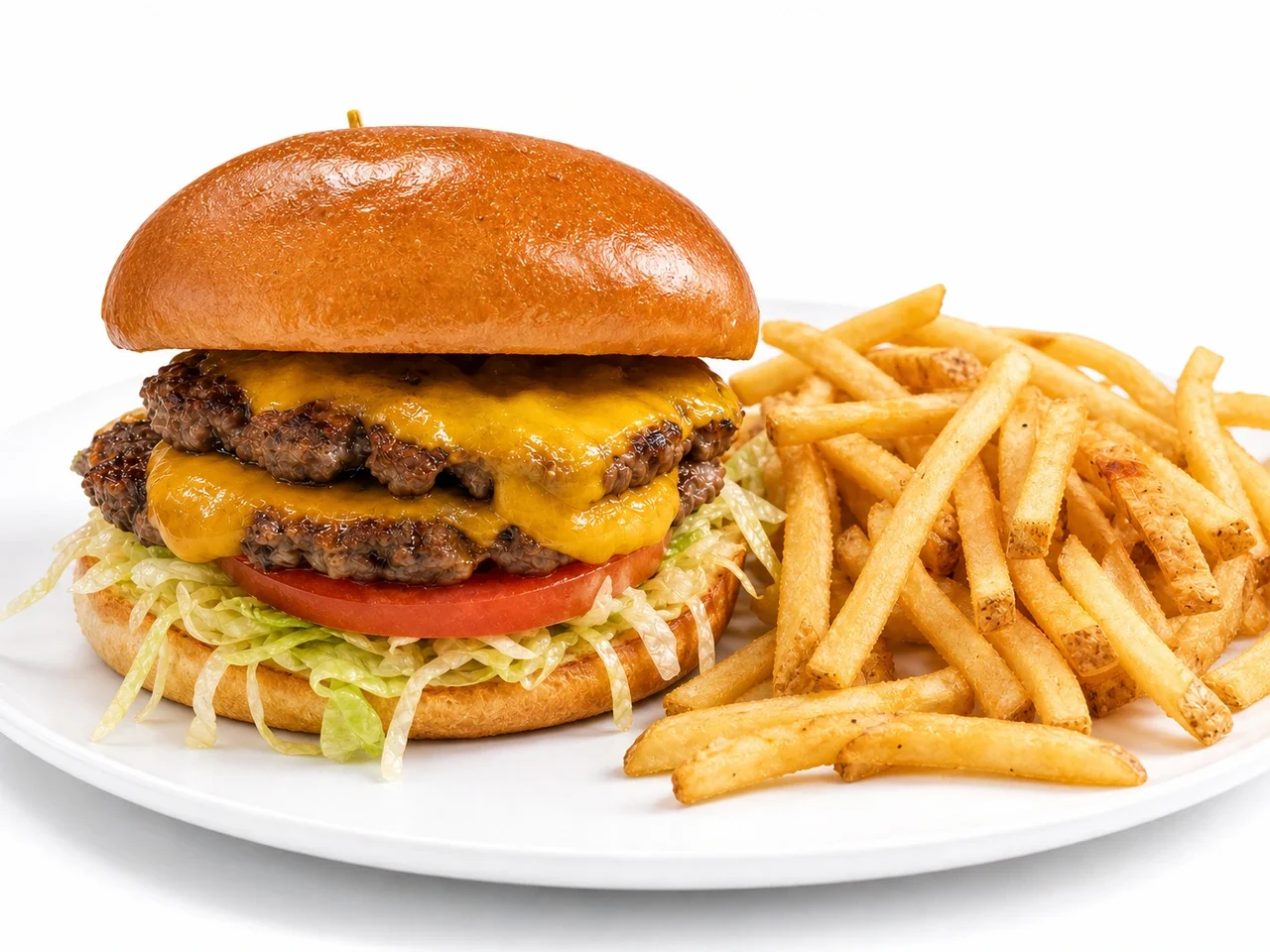
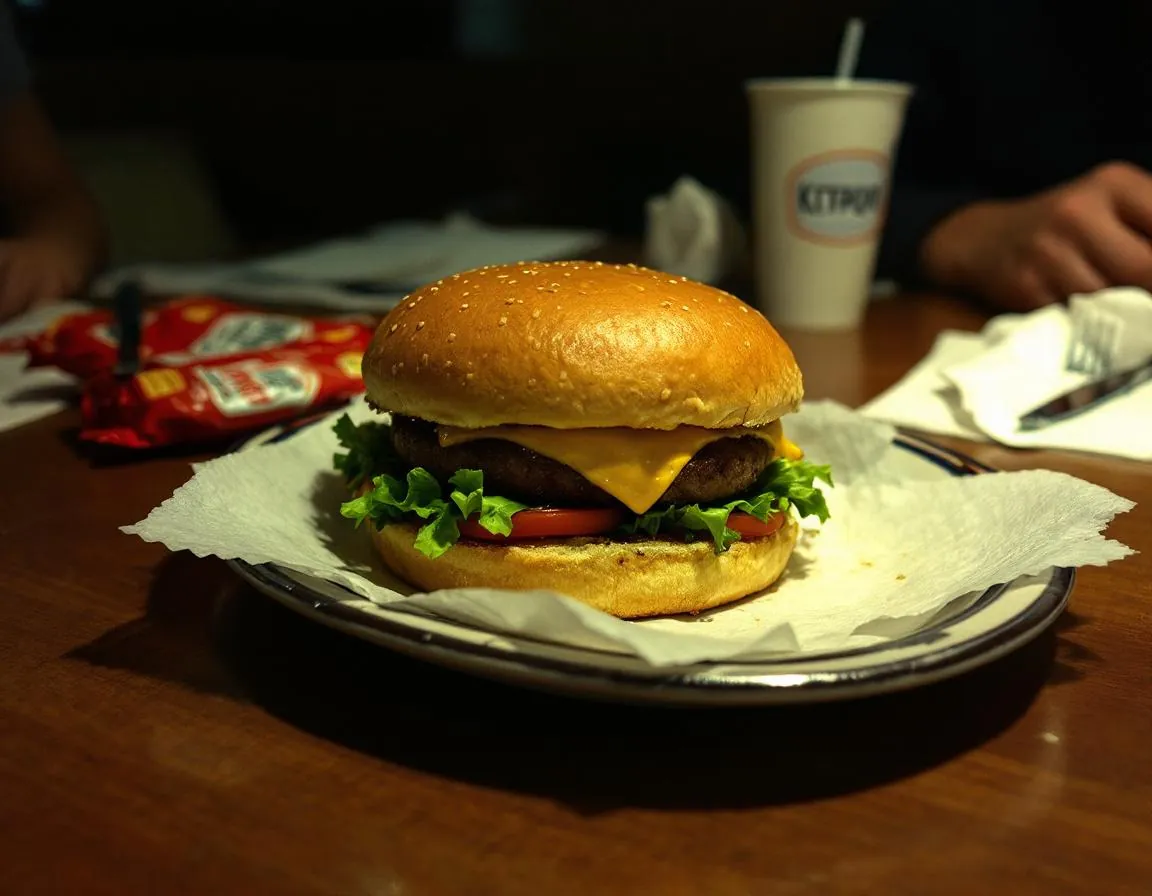
Drag to compare. Menu-grade output in 60 seconds.
Why Tokyo menu photography is a precision discipline
Tokyo's delivery market has matured fast. Uber Eats is the most visible foreign platform, the homegrown Demae-can has deep coverage, and Wolt has expanded across the city — most operators that deliver list on more than one. In a dense city where small kitchens compete inside tight delivery radii, the menu tile photo is the single biggest lever on order conversion, and the bar for visual polish in Japan is high: customers expect food imagery to be precise and faithful.
Tokyo's food spans an enormous range of styles, often in highly specialized single-dish shops. One neighbourhood can hold a tonkotsu ramen counter, an edomae sushi bar, a tonkatsu specialist, a curry-rice shop and an izakaya doing a dozen small plates. No single photographic look fits all of that. The Tokyo preset auto-detects dish category and tunes color, light and texture per dish, so a bowl of ramen and a plate of nigiri each get appropriate handling rather than one flattening filter.
Several Tokyo staples are genuinely hard to photograph. Ramen is a deep bowl where the broth, noodles, chashu, egg and toppings need to read as distinct layers and the steam matters — the preset adds clarity and warmth so the bowl looks alive rather than flat. Sushi and sashimi are color-led and lose their sheen on a bright phone exposure; the preset preserves the translucency and color of the fish so toro reads marbled and salmon reads coral. Tonkatsu needs the crumb crust to read crisp, and a dark donburi needs contrast so the rice, meat and sauce separate.
The cost gap is what the AI closes. A Tokyo food photographer typically charges ¥150,000–600,000 for a full menu shoot. With FoodPhoto.ai an operator shoots every dish on a phone in the kitchen and has the menu enhanced for a fraction of that, same-day. That cadence fits Tokyo's culture of seasonal and limited menus — gentei items, seasonal specials and frequent menu changes that no photographer schedule can keep pace with.
Tokyo diners hold imagery to a high standard. Japan's deep food-media culture and a precise, detail-oriented dining audience mean a careless phone photo undersells even an excellent kitchen. Faithful, well-lit imagery that matches the dish exactly is the expectation — closing that gap is one of the few affordable, high-leverage moves an independent has on the delivery feed.
A note on honesty: the preset is restrained. We enhance light, color, sharpness, crop and background, but we never add steam that was not there, never paint extra toppings onto the bowl, and never invent garnish. The dish a Tokyo customer receives matches the photo — keeping you compliant with Uber Eats, Demae-can and Wolt image and accuracy rules.
For related patterns, see our Japanese restaurant photography, China Meituan photography, delivery photo specs, AI menu photos, is AI food photography allowed.
FAQ
Does it work for Uber Eats, Demae-can and Wolt?
Yes. We export menu-grade images in the crops and resolutions used by Uber Eats, Demae-can and Wolt — the platforms most Tokyo operators list on. One enhancement covers all of them.
Can it make a bowl of ramen look alive instead of flat?
Yes. A ramen bowl needs the broth, noodles, chashu, egg and toppings to read as distinct layers. The preset adds clarity and warmth so the bowl looks appetizing, while keeping it faithful to what is served.
What about sushi and sashimi color and sheen?
Yes. Raw fish loses its sheen on a bright phone exposure. The preset preserves translucency and color so toro reads marbled and salmon reads coral, without altering the actual fish.
How much does it cost versus a Tokyo food photographer?
A Tokyo menu shoot typically runs ¥150,000–600,000. FoodPhoto.ai starts at a $2.99 USD Try Pack (5 credits) or $4.99/month USD Starter (20 credits), one credit per shot — a fraction of a single shoot.
Is AI-enhanced photography allowed on Japanese delivery apps?
Yes. We only enhance light, color, sharpness, crop and background — never the food, ingredients or portion. That keeps output compliant with Uber Eats, Demae-can and Wolt image and accuracy rules.
Start for $4.99, 20 photos
Upload your first dish now. Menu-grade in 60 seconds.