● Guides · 8 min read
Dark & Moody Food Photography: A Restaurant Style Guide
A practical dark and moody food photography guide for restaurants: lighting setup, backgrounds, and a shot checklist that still looks great on delivery apps.

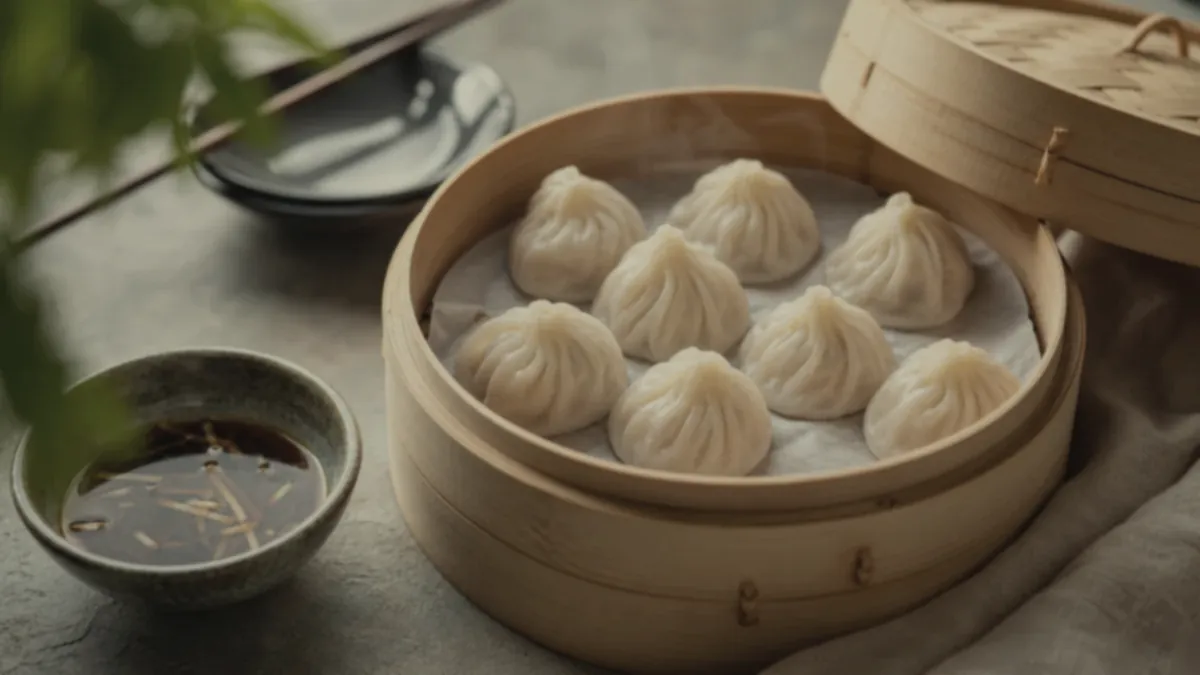
Dark and moody food photography is the look that makes a dish feel rich, premium, and crave-worthy — deep shadows, one dramatic light, and food that glows against a dark background. Done right, it gives an independent restaurant the editorial, high-end feel of a magazine spread. Done wrong, it just looks underexposed. This dark and moody food photography style guide covers the lighting setup, backgrounds, and dish choices that make the look work, plus how to keep it readable as a delivery-app thumbnail so the drama never costs you the order.
The one rule that defines the style
Dark does not mean underexposed. The food stays bright; only the background and edges fall into shadow. That contrast — a luminous dish surrounded by darkness — is the entire effect. If the food itself looks muddy or gray, the photo is not moody, it is just dark. Expose for the dish first, then let everything around it go dark.
The setup
You can shoot this style on a phone with three things:
- A dark, matte background surface. Matte is essential — glossy dark surfaces throw reflections that flatten the mood. Dark wood, slate, charcoal stone, or a black board all work.
- One directional light from the side or slightly behind the dish. A window with the room lights off is perfect; a single soft LED works too.
- A small reflector (a folded white card or a piece of foil board) to lift the food's shadows just enough to keep detail.
That is it. The magic of moody food photography is subtraction — you are removing light, not adding gear.
Side light vs. back light
- Side light rakes across the food and reveals texture — the char on a steak, the crumb of bread, the grain of a sauce. Use it when texture is the selling point.
- Back light comes from behind the dish and rims the edges with a bright outline, which is gorgeous for steam, drinks, and glossy glazes. Use it for atmosphere and shine.
Pick one per dish type and stay consistent so the menu feels like a single body of work.
Where to put your eye level
Angle changes the mood as much as the light does. For dark and moody food photography, two angles do almost all the work:
- A low 25–35° angle stacks the food against the dark background and lets shadows pool behind it. This is the most cinematic option for burgers, steaks, and stacked dishes.
- A straight overhead (90°) turns the dark surface into a wall of negative space and makes a single glowing bowl — ramen, stew, a dark curry — feel like a portrait. Only use overhead when the dish has interesting shape from above.
Avoid the flat, eye-level "menu" angle here. It is safe and clear, but it kills the depth that makes moody work. Save that angle for bright, clean styles and let the dark style lean into drama.
Controlling reflections and glare
Dark backgrounds make glare more obvious, not less. To keep highlights appetizing rather than plasticky:
- Rotate the plate until hard glare lines soften or disappear.
- Raise the light slightly to spread the highlight across the surface.
- Use the reflector sparingly — too much fill kills the mood, too little hides the food.
The principle is the same one we use across every guide: change the angle first, edit second. A small rotation fixes glare that no slider repairs cleanly. The reflection control here mirrors the shine work in our sushi and seafood phone guide, where gloss is also the make-or-break detail.
What to shoot moody (and what not to)
This style is not universal. It flatters some foods and fights others.
| Works beautifully | Use a brighter style instead | | --- | --- | | Burgers, steaks, braises | Fresh salads and grain bowls | | Ramen, pho, rich pastas | Sushi and light seafood | | Chocolate and caramel desserts | Bright fruit and breakfast plates | | Dark cocktails, coffee, stouts | Light, citrusy drinks |
Reach for moody when the dish is rich, textured, and dark-toned. Fresh, light foods usually look more appetizing bright and clean — forcing them into shadow makes them read as dull rather than dramatic.
A useful gut check: imagine the dish under candlelight in a dim restaurant. If that image makes you hungry — a sizzling short rib, a bowl of pho, a slice of flourless chocolate cake — moody is right. If it makes the food look like it is hiding something — a wilted salad, pale poached fish, a fruit plate — shoot it bright instead. The style should match what the food already wants to be, not fight it.
Common mistakes that make moody look amateur
Most failed dark-and-moody photos fail in the same handful of ways. Watch for these before you blame the style:
- The whole frame is dark, including the food. This is underexposure, not mood. Brighten the dish until you can read its texture, then darken only the background.
- Two or more light sources. A window plus a warm ceiling light creates competing shadows and a muddy color cast. Kill every light except your one source.
- A glossy dark surface. Polished black tile mirrors the room and flattens the scene. Switch to a matte slate, dark wood, or a sheet of black foam.
- Heavy-handed vignettes in editing. A fake dark vignette dropped on a brightly lit photo reads as a filter, not a lighting choice. Build the darkness with real light placement, then refine gently.
- No catchlight or rim. Without a highlight somewhere — a glint on the sauce, a rimmed edge, steam catching the light — the food looks dead. Make sure at least one bright accent survives.
If you batch a whole menu in this style, the same restaurant photo style guide discipline applies: lock the background, light direction, and angle once, then repeat them on every dish so the set reads as one restaurant.
Keeping it delivery-friendly
A moody hero shot on your homepage is one thing; a moody thumbnail on DoorDash is another. Dark styles can lose readability when shrunk, so:
- Make sure the hero ingredient is clearly visible and bright against the dark background.
- Fill the frame so the food survives the platform crop.
- Preview as a small thumbnail before uploading — if you cannot tell what it is in one second, brighten the food or pick a less extreme frame.
For the full crop-safe rules, our delivery app thumbnail playbook shows exactly how to keep any style winning the scroll.
The moody shot checklist
Run every dark-and-moody photo through this list before you publish:
- Food is bright, background is dark — not the other way around.
- One directional light, no competing sources creating color casts.
- Texture or shine is visible — the reason you chose this style.
- Glare is controlled, highlights look appetizing not plastic.
- Hero ingredient reads at thumbnail size.
- Style is consistent with your other moody shots.
Getting the look without studio gear
You do not need perfect lighting to land this style. Shoot the real dish on a dark surface with one light, then let FoodPhoto.ai deepen the background, balance the exposure, and clean stray reflections — without changing the food. Honest enhancement keeps the dish accurate while giving you the rich, editorial contrast that defines the look. It is the fastest way to make a whole menu feel premium and cohesive.
Dark and moody is a brand decision as much as a photo decision: it signals indulgence, craft, and a higher price point. Use it where the food earns it, keep it consistent, and keep it readable. When you are ready to bring the look to your menu, try one dish in the Try Pack and check the pricing — a $2.99 Try Pack is enough to test the style on your richest sellers before you commit.