● Industry · 8 min read
Food Photography Trends (2025): What Looks Premium Right Now
Food photography trends for 2025: clean studio menus, premium moody lighting, motion-first social, and the consistent brand palettes that make menus look expensive.

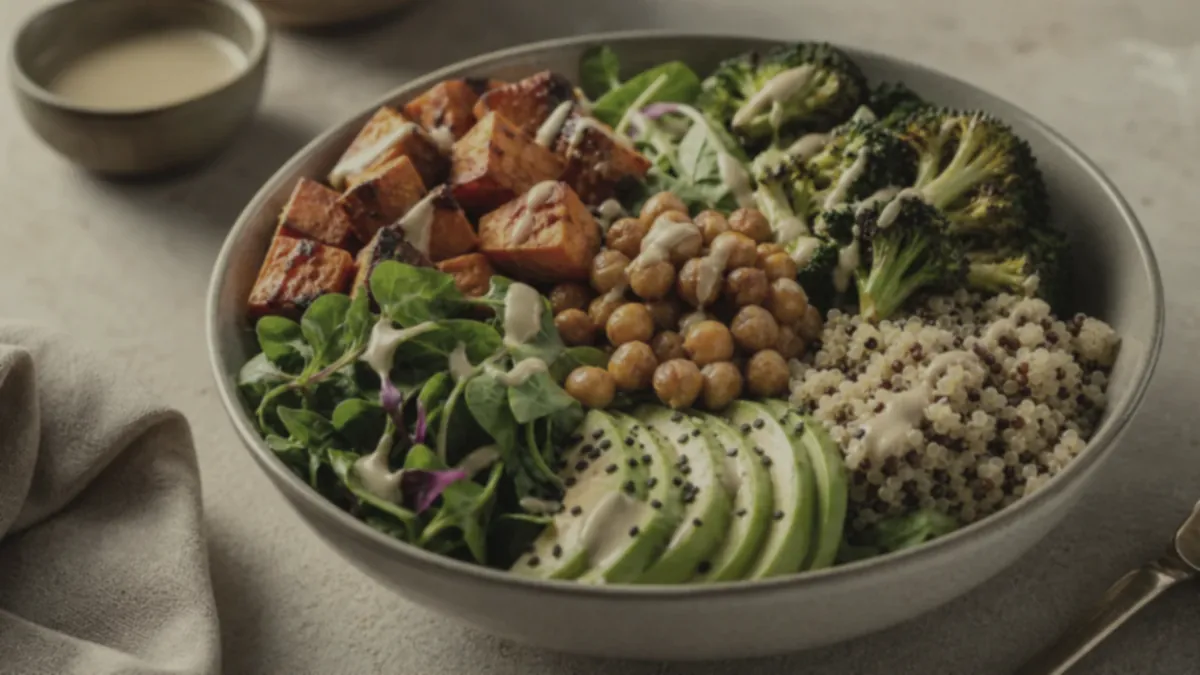
The clearest food photography trend in 2025 is not a new gimmick — it is consistency. The restaurants whose menus look premium are not the ones chasing variety; they are the ones applying one repeatable style across every dish. This guide breaks down the looks that read as expensive right now — clean studio menus, premium moody lighting, motion-first content, and consistent brand palettes — and, more importantly, how a busy restaurant can actually produce them without a studio.
Trend 1: Clean studio menus are back
After years of busy props and over-styled scenes, the food photography trend in 2025 has swung toward clean and readable. Simple background, one clear hero ingredient, and framing that works as a thumbnail. Why it wins:
- It reads instantly at small sizes — critical for delivery apps and search.
- It looks accurate, which builds trust with skeptical 2025 audiences.
- It is easy to keep consistent across a whole menu.
A clean studio look is also the most forgiving to produce in-house: a neutral surface, side light, and a fixed angle get you most of the way. You can see the effect on one of your own dishes in the Try Pack.
Trend 2: Premium moody lighting
The opposite end of the spectrum is also trending: dark backgrounds, bright food, and controlled highlights. Moody lighting flatters upscale dishes, steaks, cocktails, and desserts, and it photographs beautifully for social. The keys:
- One directional light source, not flat front light.
- A dark, non-distracting background.
- Just enough highlight to show gloss and texture without blowing it out.
Moody works best when you commit to it as a style, not sprinkle it randomly. If you want a deeper how-to, our food photography style trends for 2026 extends these looks into the next year.
Trend 3: Motion-first content
Short-form video keeps eating the feed: the drizzle, the pour, the cheese pull, the steam. The trend is not "film everything cinematically" — it is simple, real motion that proves the dish. The practical move:
- Build your still photos from the same setup you film, so everything matches.
- Keep clips short and honest; skeptical audiences punish over-production.
- Export the same dish as a vertical clip and a still in one session.
For the platform-by-platform playbook, see our restaurant social media trends 2026 guide.
Trend 4: Consistent brand palettes
The subtle trend that separates pros from amateurs is color consistency. Premium brands keep the same background tones, the same warmth, and the same highlight treatment across every photo. The result is a menu that feels designed rather than assembled.
| Style | Background | Light | Best for | | --- | --- | --- | --- | | Clean studio | Light / neutral | Soft side | Menus, delivery, search | | Premium moody | Dark | Directional | Upscale dishes, social | | Bright lifestyle | Airy / textured | Bright soft | Brunch, cafes, casual |
Pick one as your primary look. Variety is not the trend; a recognizable style is.
How to actually produce these looks
Trends are useless if you cannot ship them every week. The realistic 2025 workflow is phone-plus-enhancement:
- Choose one primary style from the table above and document it in a short brand spec.
- Shoot 8-12 dishes on a phone at a consistent station.
- Enhance every dish to that one standard so lighting, background, and color match.
- Export the crops for menu, delivery, and social.
The enhancement step is what makes consistency possible without a photographer — a phone photo taken on any random day can be brought to the same premium look. For when a styled shoot is still worth it, weigh the trade-offs in our DSLR vs AI food photography comparison.
Trend 5: Texture and "real food" detail
The other quiet shift in 2025 is a move toward visible texture and honest detail. Audiences have grown allergic to plastic-perfect food, so the photos that perform show the crumb of the bread, the char on the protein, the condensation on a cold glass, the steam off a bowl. These are appetite signals, and they are also trust signals — they prove the food is real.
You do not need a macro lens to get this. You need:
- Side or back light to rake across the surface and reveal texture.
- A clean focal point so the eye lands on the most appetizing part of the dish.
- Accurate color so sauces and proteins look like they do on the plate.
The mistake to avoid is over-correcting until the texture disappears under a glossy, uniform sheen. The 2025 standard is enhanced but believable — detail intact, color true, nothing fabricated.
How to choose your primary style
If you only take one action from this guide, choose a primary style and commit. Use these quick questions:
- What is your price point? Upscale dining leans premium moody; casual and brunch lean clean studio or bright lifestyle.
- Where do most orders come from? Delivery-heavy menus reward clean, thumbnail-readable studio shots.
- What does your room actually look like? Your photo style should feel like an extension of your brand, not a contradiction of it.
Once you pick, write it down: background, light direction, angle, and color treatment. That one-page spec is what keeps every future photo on-brand, whoever takes it.
A quick brand-spec template
The "document it" advice is only useful if you actually write the spec down. Keep it to one page so anyone on your team can shoot to it. Fill in each line for your primary style:
- Background: color and surface (e.g. matte dark slate, light oak board).
- Light direction: side, back, or 45° — and which side.
- Angle: the fixed camera height (e.g. 30° for bowls, overhead for flat dishes).
- Color treatment: warmth and how saturated sauces and proteins should read.
- Crop: the aspect ratios you export for menu, delivery, and social.
That single page is what turns "we have a style" into a repeatable standard. Any phone photo can then be enhanced to match it, which is the whole point of a consistent look.
How these trends play across channels
A premium look is only worth it if it survives the place customers actually see it. The same enhanced dish should hold up everywhere:
- Delivery thumbnails: clean studio reads best — the dish must be obvious at a tiny size.
- Website and menu heroes: moody and clean both work; commit to one so the page feels designed.
- Social feed and Reels: motion-first clips plus consistent stills from the same shoot.
- Search and Google Business: accurate, well-lit photos that match reality build trust before the click.
Plan your crops up front so one shoot feeds every channel — that is what makes a premium style affordable to maintain week after week.
What to skip
- Random variety. Mixing bright and moody and busy on one menu looks chaotic.
- Over-styling. Heavy props and fake garnishes read as inauthentic in 2025.
- Over-editing. Pumped, plastic-looking food erodes trust faster than a plain photo.
- Trend-chasing. A new aesthetic every month destroys the consistency that is itself the trend.
The takeaway
The biggest food photography trend in 2025 is consistency: clean menus, premium moody lighting, simple motion, and a steady brand palette, all applied the same way every time. Pick one look, document it, and enhance every dish to that standard. A repeatable style is what makes a menu look expensive — far more than any single dramatic shot.
Want your menu to look like one premium brand? Get the Try Pack on a dish, or see pricing — packs start at $2.99.