● Marketing · 7 min read
Instagram Food Photography for Restaurants: What Gets Saves, Not Just Likes
A restaurant-first Instagram food photography playbook: the shot types to post each week, how to batch content fast, and how to keep your feed consistent and professional.

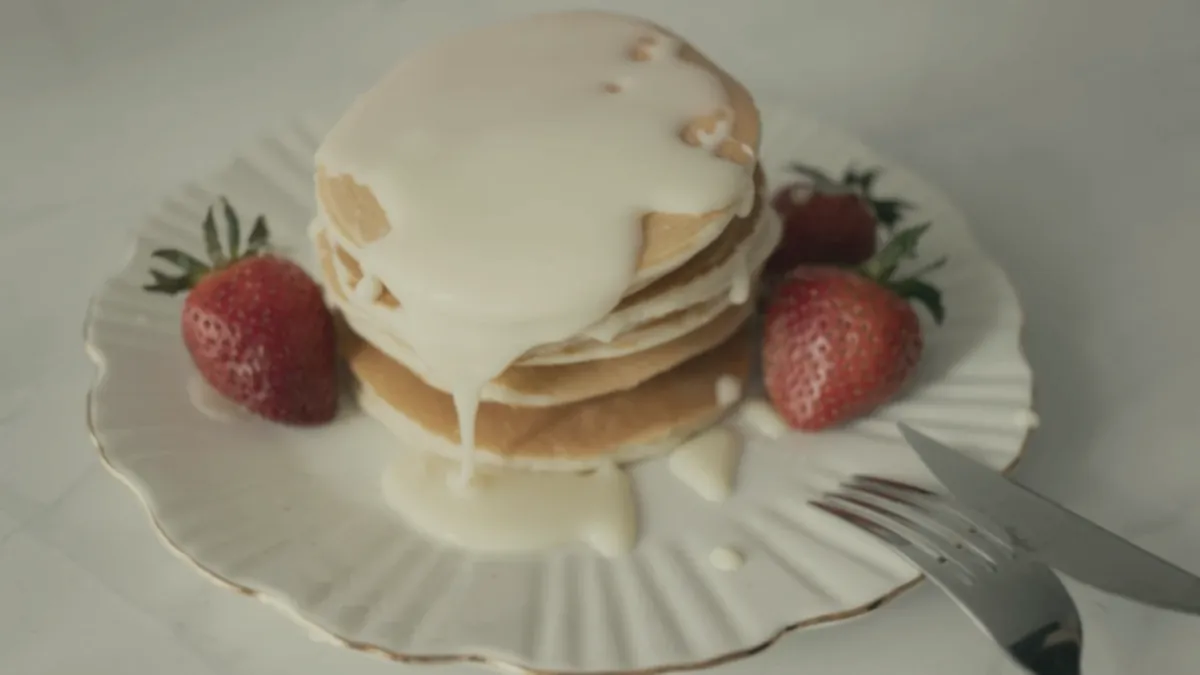
On Instagram, likes are vanity and saves are intent. A save means someone is planning to visit, order, or show a friend, and that is the signal restaurants should optimize for. The good news is that Instagram food photography for restaurants is not about chasing trends or going viral. It is about posting clear, consistent, appetizing photos of your real menu on a rhythm you can actually keep. This is the restaurant-first playbook: what to post, how to batch it, and how to keep the whole feed looking like one brand.
The fast version
- Post menu photos that are clear and consistent.
- Mix in a few story posts: behind-the-scenes, people, and process.
- Batch once a week so you never fall behind.
Why saves beat likes
A like costs nothing and means nothing. A save is a person bookmarking your food because they intend to come back to it. Shares are even stronger, because a customer is now marketing for you. To earn saves and shares, a photo has to do two things: read instantly at small size, and look like the dish the customer will actually receive. Over-styled, fantasy food gets a like and a scroll; honest, appetizing, accurate food gets saved.
The four post types that work
You do not need endless content ideas. Rotate these four and you will always have something worth posting:
- Top sellers. Clean, consistent menu photos of the dishes people already love. These are your reliable, save-worthy backbone.
- Specials and new items. Fresh items create urgency and give regulars a reason to come back this week.
- Behind-the-scenes. A cook plating, the grill firing, prep in the morning. Process builds trust and personality.
- Customer proof. Reshare user-generated content and reviews (with permission). Social proof validates everything else you post.
The first two carry conversion; the last two carry trust and reach. A healthy feed mixes all four.
A simple ratio that works for most restaurants: across a week of three to five posts, lean roughly 60% menu (top sellers plus one special) and 40% story-and-proof. That keeps the feed appetizing and commercial without feeling like a non-stop sales pitch, which is the fastest way to lose followers. When in doubt, post the dish; people follow restaurants for the food first.
The batch workflow
The reason most restaurant accounts go quiet is that posting is treated as a daily task. Treat it as a weekly batch instead:
- Shoot once. Run a short session with one setup and capture a week of dishes and a couple of story moments.
- Enhance once. Give every photo the same lighting, color, and background treatment so the grid stays consistent.
- Export all formats. Square for the feed, vertical for stories and Reels covers.
- Schedule the week. Queue everything in one sitting so the feed runs itself.
This is the same logic as kitchen prep: do the work in a batch, then execute calmly all week. Our weekly restaurant photo sprint is a 60-minute system that feeds both your menu and your social calendar at once.
Keeping the feed consistent
A professional-looking grid is almost entirely about consistency: one lighting direction, one or two backgrounds, and consistent color. When every photo gets the same treatment, the feed reads as a single confident brand, and that signals quality before a customer reads a single word. The hardest part is keeping that consistency when photos are shot on different days under different light. That is exactly where honest enhancement helps: FoodPhoto.ai takes a real photo of your real dish and standardizes lighting, color, gloss, and background without changing the food, so a week of phone shots ends up looking like one cohesive shoot for a few cents each. To lock the look itself, build a restaurant photo style guide and shoot to it every week.
Pick a look and stick to it
Instagram rewards a recognizable aesthetic. Choose one of the standard restaurant looks (clean-bright, warm-premium, or moody-upscale) and apply it everywhere. Our 2026 food photography style trends break down each look and which dishes they suit. The specific look matters less than the discipline of keeping it consistent.
Captions and context that earn the save
A save usually happens when a photo is paired with a reason to act. The image stops the scroll; a short, specific caption converts the stop into a bookmark. A few patterns that work for restaurants:
- Name the dish and one craving cue. "Smash burger with house pickles and a 24-hour brioche bun" gives the customer something concrete to want.
- Add a small reason for urgency. Weekend special, limited run, back by request. Urgency is what turns "nice photo" into "I should go this week."
- Tell people what to do next. A simple "order link in bio" or "available for delivery" removes friction. A saved post with no path to order is a missed sale.
- Keep hashtags relevant and local. A handful of dish and neighborhood tags beats a wall of generic ones.
The photo and the caption are one unit. A great image with a vague caption gets a like; a great image with a specific, actionable caption gets saved and shared.
Stories and Reels from the same shoot
You do not need a separate production for video. While you shoot stills, capture a few seconds of motion from the same setup: a sauce drizzle, a slice pull, steam rising, a plate coming together. Those vertical clips become Reels and story content without any extra setup, and they keep your motion content in the same look as your feed. The principle is the same as the rest of this playbook: do the work once, in a batch, and repurpose it across formats. For the wider style direction behind both stills and motion, see our 2026 food photography style trends.
A simple weekly Instagram plan
- Shoot day. Capture five to eight dishes plus two behind-the-scenes moments in one session.
- Enhance and export. Standardize the look, export square and vertical crops.
- Schedule. Queue three to five posts across the week: two top sellers, one special, one story, one piece of customer proof.
That is boring, and boring is exactly why it works. A consistent feed beats sporadic bursts of brilliance every time.
You do not need a photographer or a content team to win on Instagram. You need a setup, a batch habit, and a consistent look. Shoot a week of dishes, enhance them honestly, and watch which ones get saved. See pricing when you are ready to keep the cadence going.