AI healthy bowl photography
Overhead composition, ingredient separation, steam capture on hot bowls. Match the Sweetgreen and Chipotle visual bar from a phone camera.
How it works
Shoot overhead at 14–18 inches
Bowl fills 70–80% of the frame, natural light from the side, no hand shadow.
Apply the bowl preset
Sectional brightness control, ingredient-edge enhancement, rim balance, steam preservation.
Export for every channel
Menu, delivery apps, Instagram grid, Google Business Profile — one pass.
Pricing vs a human photographer
| Option | 30 bowls | Seasonal refresh |
|---|---|---|
| Food photographer | $2,500–$6,000 | $120–$280 per shot |
| FoodPhoto.ai | $3 Starter + top-ups | 1 credit per shot |
Examples
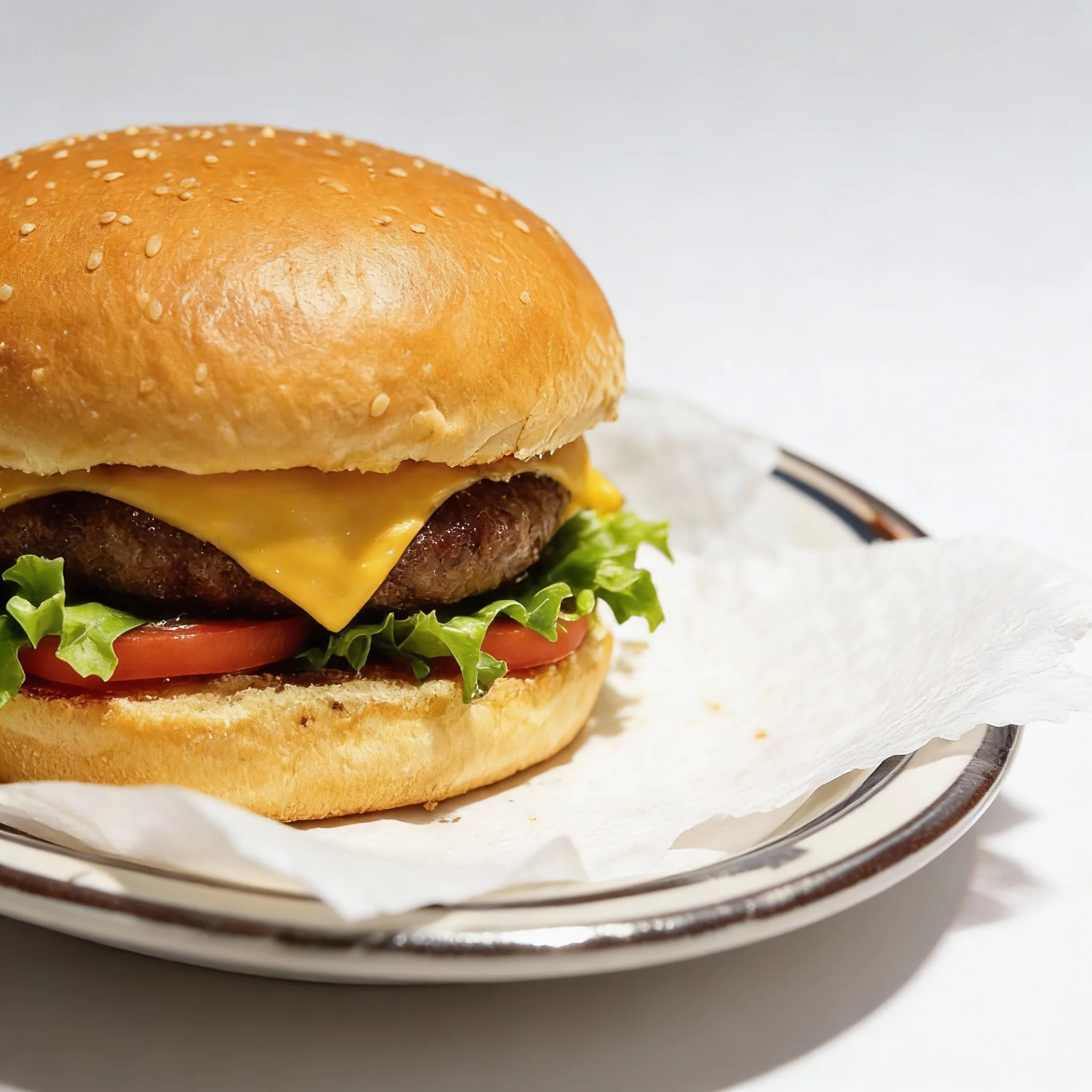
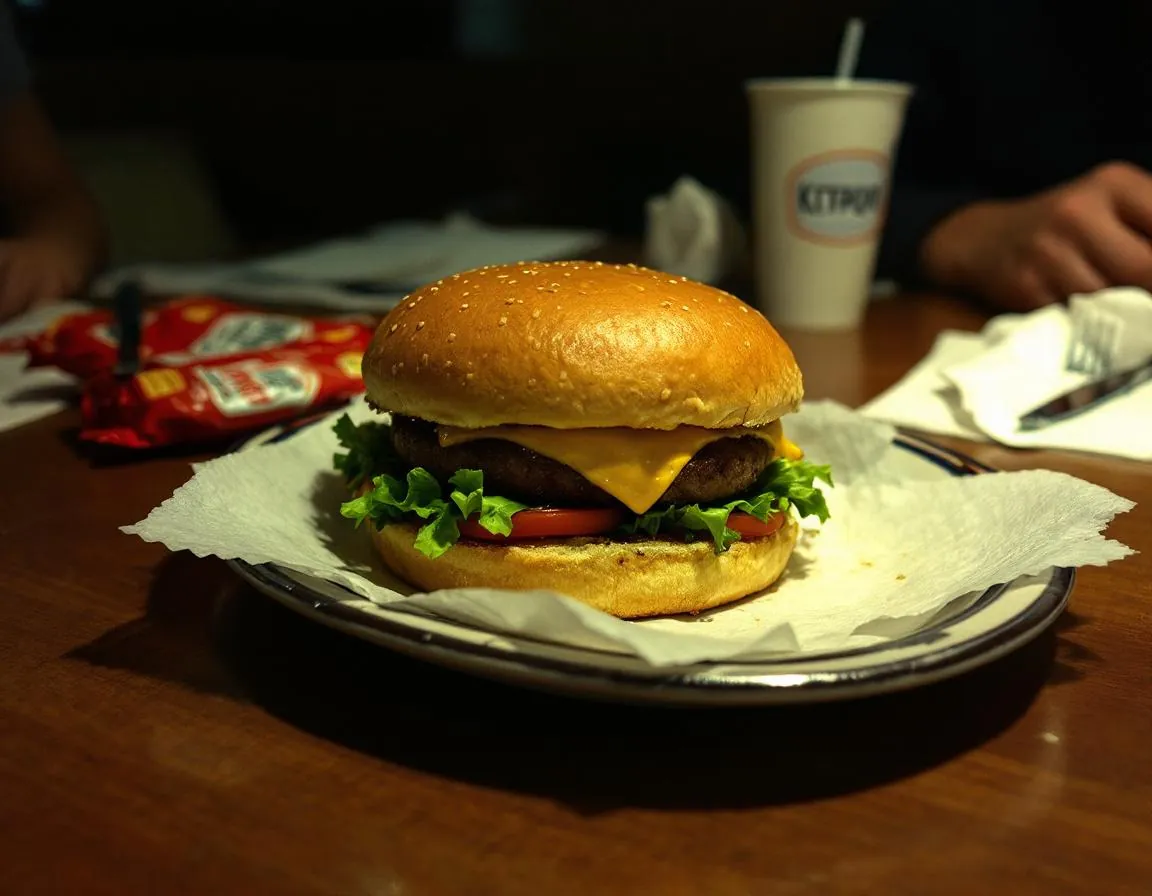
Drag to compare. Ingredient separation, rim balance, overhead clarity.
Why bowls need their own photography preset
The bowl format is the fastest-growing category in casual dining. Sweetgreen, Cava, Chipotle's bowl line, Just Salad, Poke Bros, and hundreds of independent bowl shops all share the same basic plate geometry: a deep round vessel filled with layered ingredients, meant to be eaten in one sitting. The format is popular because it signals health, portion control, and modularity — customize your base, your protein, your toppings, your sauce. But bowls are also the hardest format to photograph well, because the deep vessel creates structural lighting problems that flat plates simply do not have.
The core issue is depth and shadow. When you place a bowl on a table and shoot it at the typical 30° angle used for most food photography, you get a narrow crescent of visible rim and a compressed view of the ingredients. Most of the composition — which is the whole point of a bowl — is invisible. The only crop that works is straight overhead. But overhead is also the hardest crop for a phone camera, because the camera lens casts a shadow across the bowl on most lighting angles, and ingredients pile up vertically into an indistinct mound on automatic exposure.
Our bowl preset is built around these physics. The first layer is rim balance: the bowl rim is treated as a lighting boundary, with independent exposure adjustment inside versus outside the rim, so the ingredients get the brightness they need without blowing out the white table or the bowl itself. The second layer is ingredient-edge enhancement: we detect each topping cluster (the cabbage, the chickpeas, the tahini drizzle, the feta crumbles) and amplify the edges between them, so the overhead crop reads as a composition instead of a pile. The third layer is sectional brightness control: deep bowls have natural shadow pockets that phone cameras crush to black; we lift those pockets so even ingredients in the bottom layer are visible.
Hot bowls — ramen, pho, grain bowls with steamed vegetables, congee, Korean bibimbap — get an additional steam preservation step. Phone cameras can capture rising steam if the bowl is backlit, but generic enhancement algorithms often average out the steam because it looks like noise. The preset detects steam as a distinct visual signature (translucent, high-frequency, localized above the food) and preserves it. The result is a bowl photo that looks hot, which drives enormous appetite appeal — steam is one of the strongest conversion cues in food photography.
Cross-link with complementary patterns: vegan photography (most Buddha bowls are vegan), protein/fitness meals (protein bowls are a huge fitness segment), meal prep, and our salad photo generator. For delivery distribution: DoorDash and Uber Eats.
A final note on independent bowl shops specifically. You are competing directly with the biggest chains in casual dining — Sweetgreen has raised hundreds of millions, Cava went public, Chipotle has a billion-dollar marketing budget. Their photography is immaculate. You cannot out-spend them, but you can match their visual bar with the right tool. That is exactly the gap this preset is built to close.
FAQ
Why are bowls the hardest plate format to photograph well?
Bowl depth creates shadow. Ingredients pile and overlap. The rim competes for visual attention with the food. Overhead is the only crop that shows the full composition, but phone cameras at that angle tend to flatten everything into an indistinct mush. The bowl preset compensates with sectional brightness control and edge enhancement at each ingredient boundary.
Does it work for poke, acai, smoothie, and ramen bowls equally?
Yes. Poke bowls need ahi color preserved while keeping rice white and edamame green. Acai bowls need the purple base deep-saturated without bleeding into the banana and granola toppings. Smoothie bowls need the topping geometry sharp. Ramen — though we built a dedicated ramen tool for deeper ramen-specific tuning.
How do I capture steam from hot bowls?
Shoot in a dim corner of your kitchen with the bowl backlit by a window or lamp. Phone cameras capture the steam — the preset then preserves it during enhancement instead of averaging it out. You get visible rising steam on grain bowls, ramen, pho, and any hot-served bowl.
What is the right overhead distance and angle?
Straight down from 14–18 inches above the rim. Bowl fills 70–80% of the frame. No shadows from your hand or phone. Natural light from the side, not directly above. The preset handles the rest — rim lighting, ingredient separation, color balance.
Can this handle chain-standard bowls like Sweetgreen or Chipotle?
Yes, and it is particularly useful for independent bowl shops competing with the chains. The chains spend millions on commercial photography. Our preset helps an independent shop match that visual bar from phone photos, which closes the main conversion gap between big chains and local players.
Start free — 10 credits
Upload your first bowl. Overhead, composed, and menu-grade in 60 seconds.