Free tool
AI Ramen Photo Generator
Turn phone pics of your ramen into menu-ready photos. Broth clarity, chashu char, egg cross-section, rising steam — under a minute per shot.
Try it free — drop a ramen photo
2 free enhancements per day, no signup required. Broth, egg, steam — preserved, not invented.

Drop your food photo here
or click to browse files
 Instant preview - takes under 30 seconds
JPG, PNG, or WebP up to 10 MB
1 instant preview — see the result, then unlock full-resolution downloads from $3.
How it works
Shoot the bowl
Overhead for full composition, 30° for toppings-forward shots. Backlight for steam.
Apply the ramen preset
Broth clarity, chashu sear, egg yolk color, noodle separation, steam preservation.
Export everywhere
Menu, DoorDash, Uber Eats, Google Business Profile, Instagram — one pass.
Examples
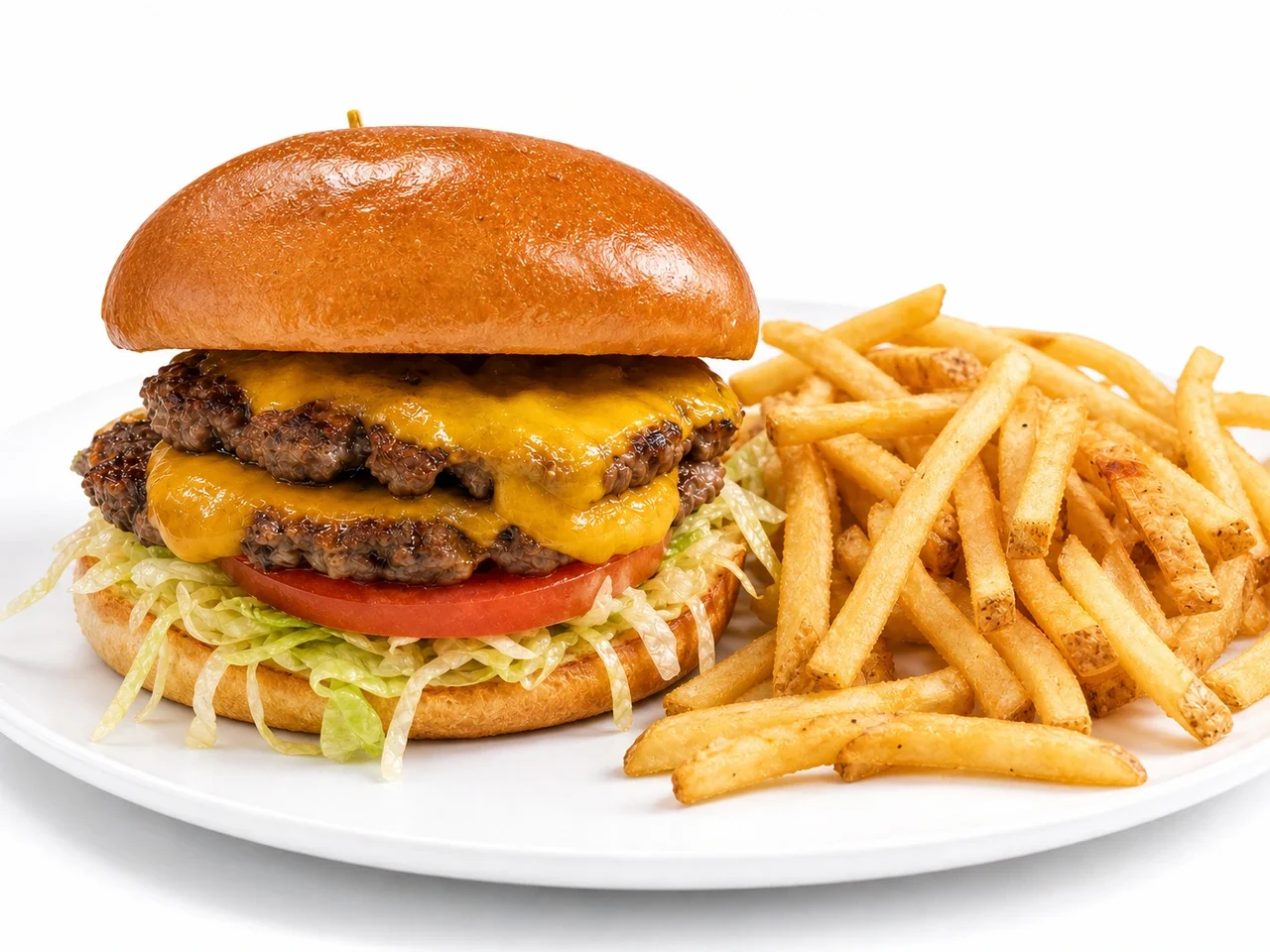
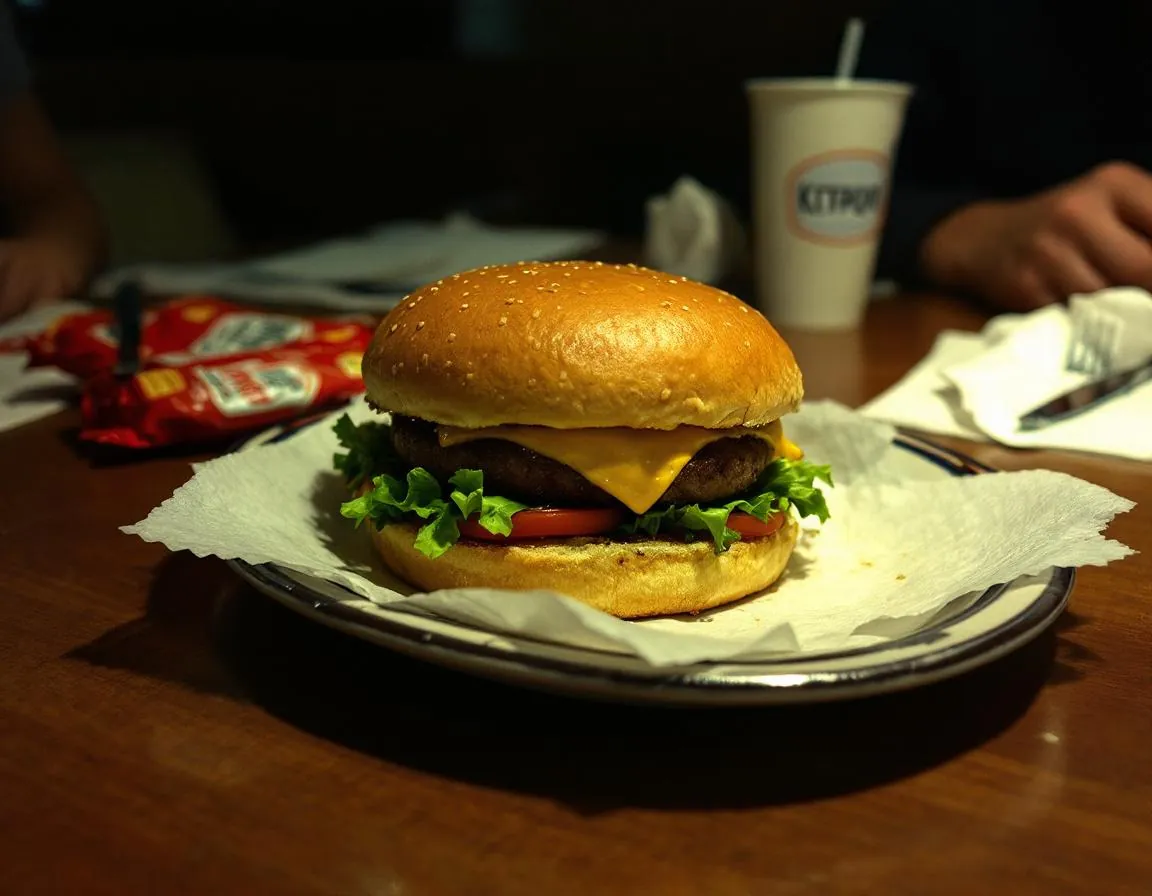
Drag to compare. Tonkotsu, shoyu, miso, tsukemen — all styles supported.
Pricing vs a human photographer
| Option | Ramen menu (10 bowls) | Monthly limited edition |
|---|---|---|
| Food photographer | $1,500–$4,000 | $200–$400 per shot |
| FoodPhoto.ai | $2.99 Try Pack + top-ups | 1 credit per shot |
Why ramen photography is its own specialty
Ramen is structurally the hardest bowl dish to photograph. A single bowl contains at least seven visually distinct elements — broth, noodles, chashu, ajitama egg, menma, scallion, nori — each with its own surface, color, and lighting requirement. On top of that, the broth itself is the visual signature of the shop: a tonkotsu bowl that reads as weak-cream instead of rich-opaque signals a weak bone-reduction, and customers will notice. The photography has to carry that signal across channels where the image is 200 pixels wide.
The ramen preset starts with broth. Each broth type has a characteristic color and clarity. Tonkotsu is opaque creamy-white with subtle gold shimmer from rendered pork fat. Shoyu is clear amber-brown. Shio is pale gold with visible transparency. Miso is deep red-brown with emulsion particles. Spicy miso adds a chile-oil slick on top. Vegan ramen varies widely. The preset detects broth type from color signature and applies the right balance — bright enough to read, dark enough to look rich, clear enough to see the noodles if that is the style.
Chashu is the second challenge. The classic chashu slice has three visual requirements: the white-pink interior fat marbling, the deep-red outer braise color, and the crispy torched edge on top. Phone cameras tend to blow out the torched edge and crush the interior, leaving chashu looking like an undifferentiated pink disc. The preset handles each zone independently so all three read correctly: interior marbling visible, braise color rich, torch marks sharp.
The ajitama is the single most important topping photographically. A properly made soy-cured egg has a jammy orange yolk that is slightly translucent at the edges, firm at the center, and contained in a perfectly clean white with no overcooked chalk ring. This is the single cue that tells ramen obsessives (your highest-LTV customers) that the shop is serious. The preset sharpens the yolk-to-white boundary and restores yolk chroma without pushing into oversaturated-orange territory that would look fake.
Steam is the final piece. A ramen bowl shot without visible steam loses the "just-served, still hot" appetite cue that drives conversion. Phone cameras can capture steam on a backlit bowl, but most enhancement pipelines treat steam as noise and remove it. The preset detects and preserves steam as a feature, not a defect. Combined with the broth-chashu-egg treatment, the exported image looks like exactly what a commercial food photographer would spend an hour creating.
Cross-link to related patterns: healthy bowl photography for the general bowl-format preset, DoorDash food photography for delivery, Uber Eats menu photos, and ghost kitchen photo generator for ramen-as-a-brand ghost concepts. For paired dishes see our pasta tool and salad tool.
The economics favor ramen shops more than most categories. A typical ramen shop runs 8–12 core bowls plus 2–4 monthly limited editions. Traditional food photography at $200–$400 per bowl makes a comprehensive shoot $3,000–$6,000 once and $400–$1,200 per monthly limited edition. FoodPhoto.ai reduces the total to under $20 annually and lets limited editions ship to the menu the same day they debut.
FAQ
What ramen styles work?
All of them. Tonkotsu, shoyu, shio, miso, tsukemen, mazemen, tantanmen, spicy miso, curry ramen, vegan ramen. The preset recognizes broth type and preserves the signature color and clarity — cloudy cream for tonkotsu, clear amber for shoyu, deep red for spicy miso.
Does it preserve the egg cross-section?
Yes — this is one of the most iconic ramen shots. The ajitama egg with its jammy orange yolk is the signal that the chef takes the dish seriously. The preset sharpens the yolk-to-white boundary and restores the rich orange chroma that phone cameras often wash out.
Can it capture steam on hot bowls?
Yes. Ramen is best shot just after plating with steam rising off the surface. Our preset detects and preserves steam during enhancement instead of averaging it out. Tip: backlight the bowl with a window or lamp for strongest steam capture on phone cameras.
Will it fake noodles or add more chashu?
No. We enhance what your photo contains. The preset amplifies noodle texture, improves broth clarity, sharpens chashu char marks, and restores garnish color — but it does not generate additional toppings that were not in the bowl.
Does this work for tsukemen and dipping noodles?
Yes. Tsukemen is harder because you are shooting two vessels (noodle bowl + dipping broth cup) that have different lighting needs. The preset runs independent exposure on each vessel so both read cleanly in the same frame.
Plans from $4.99/mo (20 credits)
Upload your first bowl. Menu-grade in 60 seconds.