Garnish placement for menu photos: what reads at thumbnail size
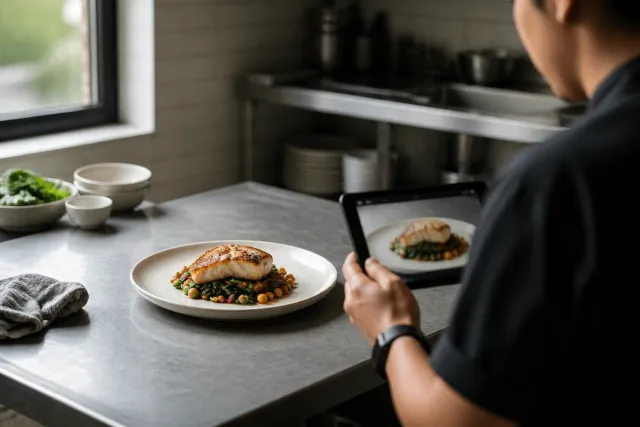
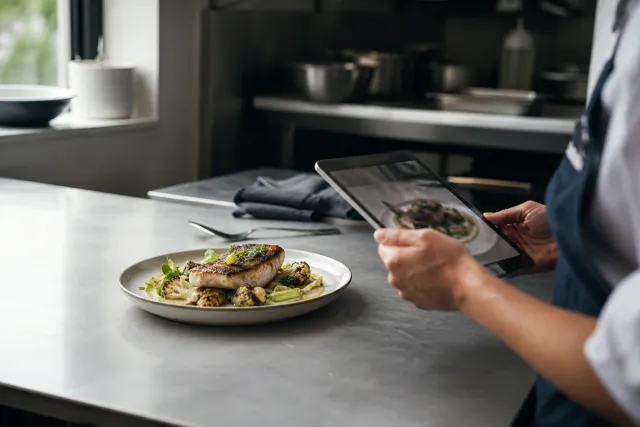
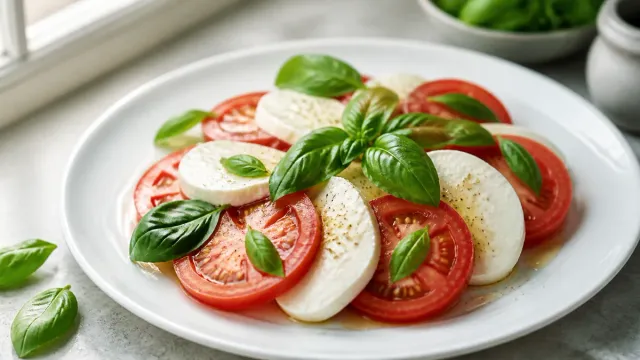
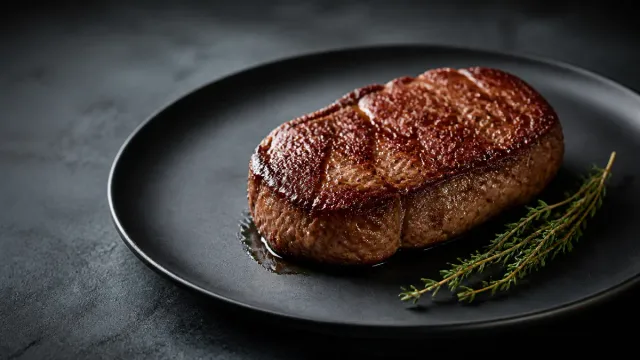
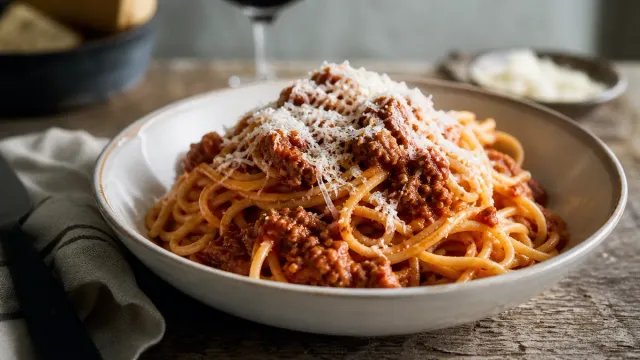
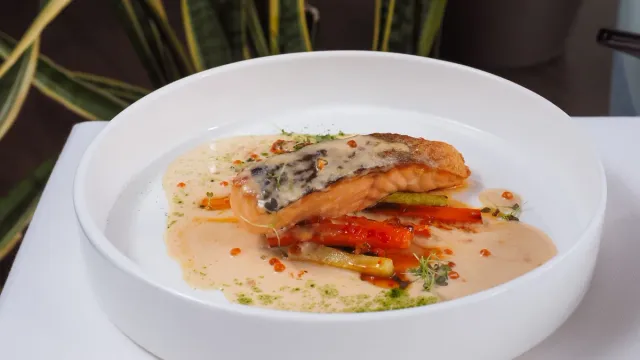
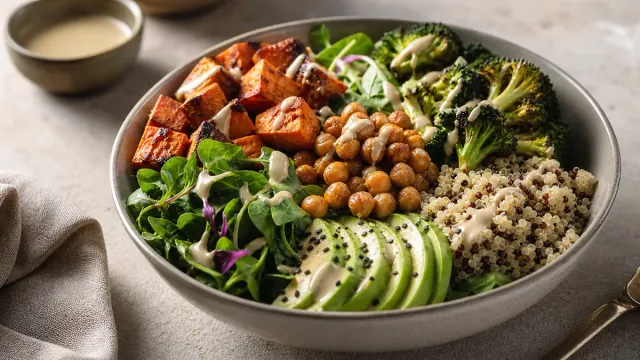
Garnish should confirm the dish, not decorate the photo. Place herbs, sauces and seeds where they read on a small tile, and keep every garnish true to what the kitchen actually serves.
Better food photos. Thoughtful menus. Campaigns with flavor. Practical guides for the people behind the plate.
Garnish should confirm the dish, not decorate the photo. Place herbs, sauces and seeds where they read on a small tile, and keep every garnish true to what the kitchen actually serves.
Read the guide35 guides
Garnish should confirm the dish, not decorate the photo. Place herbs, sauces and seeds where they read on a small tile, and keep every garnish true to what the kitchen actually serves.
Steam fades, cheese sets and fried food goes limp. Use a timing table per dish type, shoot in the first two minutes, and know which fixes are honest and which are not.
The cheapest food-photo upgrade is usually a bulb. Compare colour temperature and colour rendering, avoid the light that makes food look grey, and build one reliable photo corner.
Mixed kitchen lighting turns food grey, yellow or green. Diagnose the cast, pick one light source, set white balance once, and know what to fix on the phone versus in the edit.
Wolt’s photo requirements can change by market and account. Check the current merchant guidance, then prepare a centered, square-friendly dish image that remains clear in the customer crop.
High-quality menu photos are the single highest-ROI change most restaurants can make to their delivery app listings. Here is the data that backs that claim, platform by platform,…
Review sauce edges, highlights and texture in AI food photos. Use an editable prompt while preserving the actual ingredients and serving size.
The 7 food photography trends that matter in 2026: honest AI enhancement, thumbnail-first crops, one consistent menu style, multi-format exports and more, each with one action for this week.
In dark kitchen packaging photos, the guest often opens a sealed box — so the photo should not promise a white-tablecloth plate if that is not the experience.
Refreshing restaurant photos does not have to mean planning a full photo shoot every week. A manageable restaurant photo refresh calendar gives each image a job and a review date:…
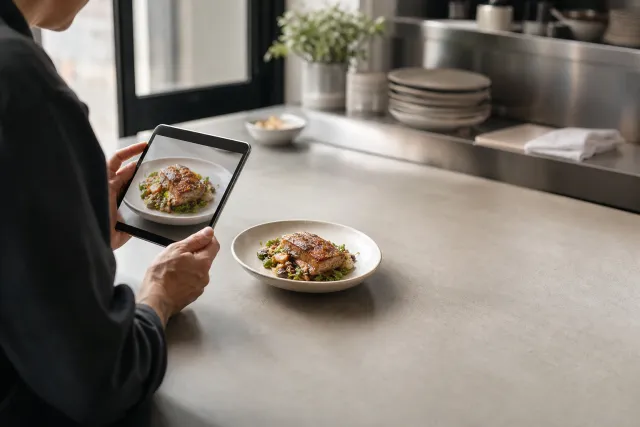
Most restaurants do not have room for a studio, and they do not need one. A good restaurant photo station is a small, repeatable corner you can build in 10 minutes, shoot a batch of…
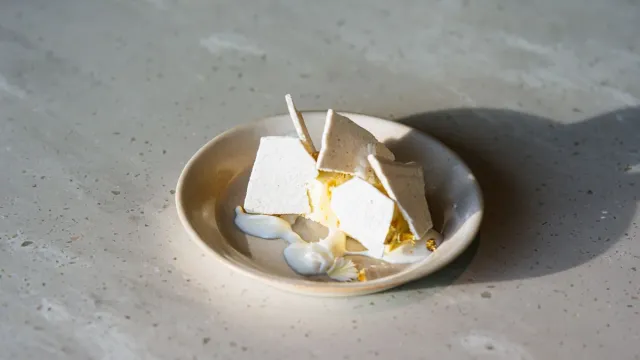
Desserts are the hardest food to photograph for one simple reason: they fall apart while you shoot. Ice cream melts, glazes slump, and whipped cream deflates in under a minute. The…
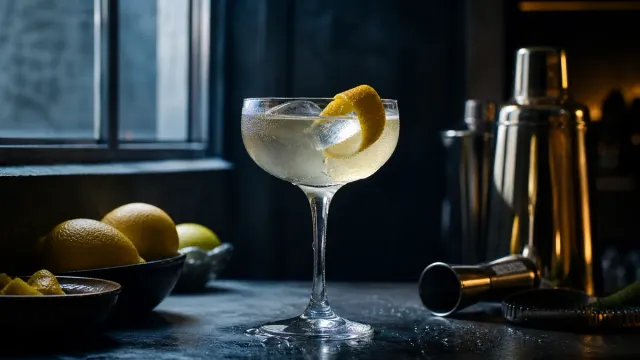
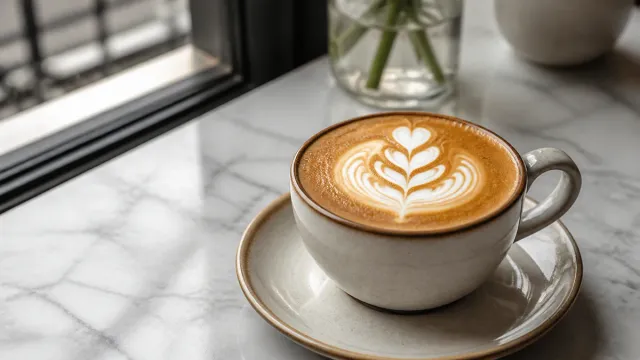
Drinks are the toughest subject in a phone camera. Glass reflects the whole room, ice clouds and melts within minutes, and condensation either looks like a fresh pour or a sweaty…
A plain-English glossary of food photography, AI enhancement, lighting, composition, and delivery-platform terms for restaurant teams.
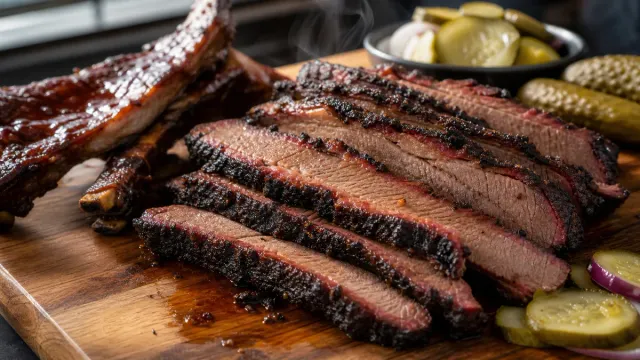
BBQ sells at a higher price because it looks like work: smoke, char, bark, glaze, and time. But it is also one of the easiest categories to photograph badly on a phone. Dark meats…
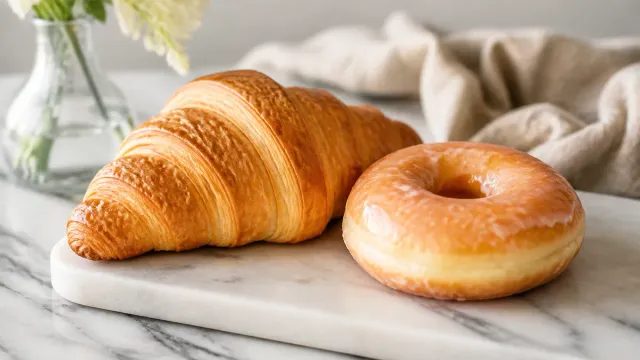
In 2026, your bakery photos are not marketing. They are your display case. Customers decide what to buy on Google Maps, Instagram, online ordering, and delivery apps before they…
Catering and family meals are a different product, and they need different photos. When someone orders a single dish they ask "does it look good?" When they order a $180 catering…
Your food already looks good on the plate. The problem is that your photos don't show it. In 2026, diners decide where to order before they ever read a menu description — they…
If you operate multiple restaurant locations, you already know the problem: every location shoots differently. Different lighting, different backgrounds, different phones, different…
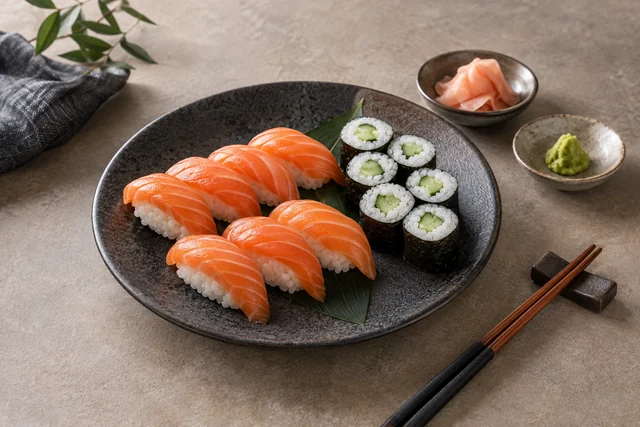
A practical sushi photo setup: one soft side light, a rice color check, three frames for menus and a copyable edit brief that preserves the actual portion.
A reliable phone food photography lighting setup for a restaurant uses one consistent light direction, a stable shooting station, locked exposure and white balance, and a repeatable…
Lighting is the single biggest reason a menu photo looks like a professional shot or a phone snapshot. Get food photography lighting right and almost everything else falls into…
Knowing how to edit food photos like a pro is mostly about order and restraint. Professionals fix lighting and color first, clean the background second, and export platform crops…
When people hear "food styling," they picture glue, tweezers, and magazine trickery. For a restaurant, that's the wrong mental model. Food styling for photography in a real kitchen…
The clearest food photography trend in 2025 is not a new gimmick — it is consistency. The restaurants whose menus look premium are not the ones chasing variety; they are the ones…
Lighting is the part of food photography that intimidates people most, but it does not need to. Almost every great menu photo comes down to controlling just three things —…
The best restaurants do not "do a photoshoot" once a year and hope it lasts. They treat food photography as a growth system: a fixed station, a recurring schedule, and a consistent…
The fastest way to waste money on food photography equipment is to buy gear that's supposed to "fix" a problem that light, framing, and a clean surface already solve. For…
A ghost kitchen menu is never finished. New items launch, limited-time offers come and go, and bestsellers get reworked — all faster than any single photoshoot can keep up with.…
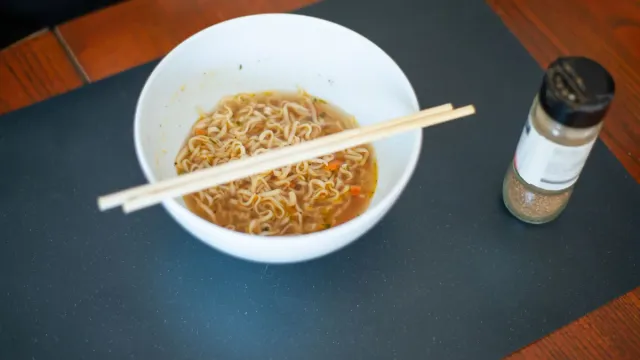
Ramen punishes a careless phone photo. The broth throws a hot glare, the steam vanishes before you frame the shot, the toppings slide under the surface, and the whole bowl can…
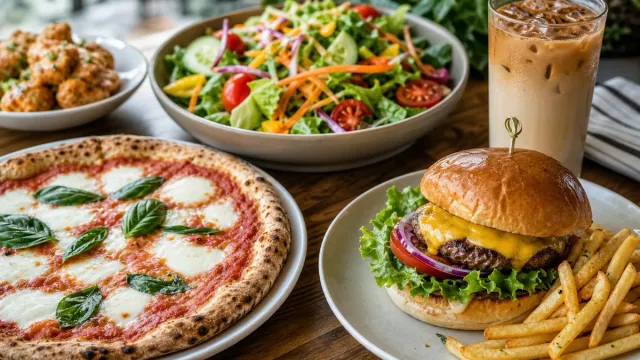
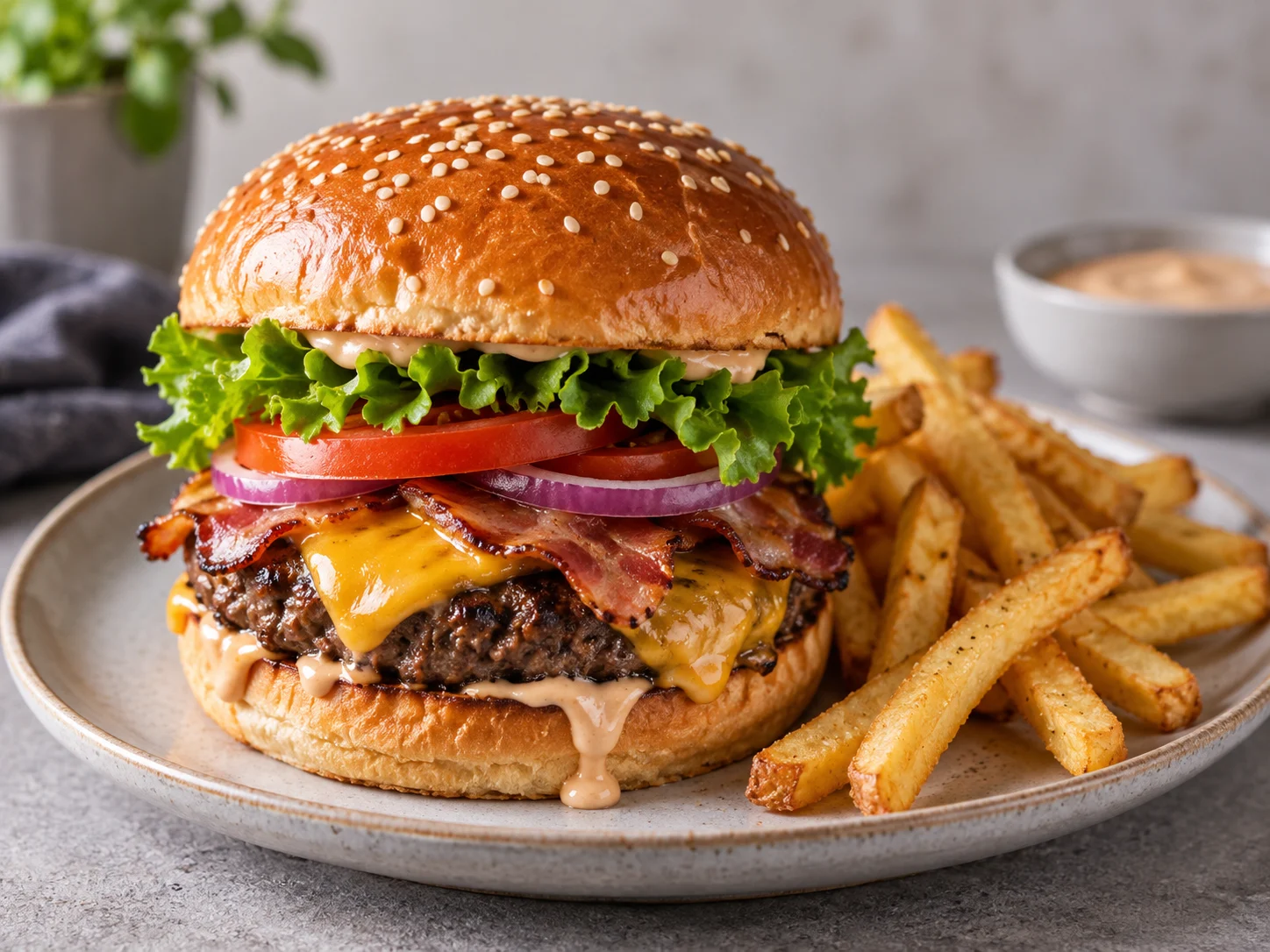
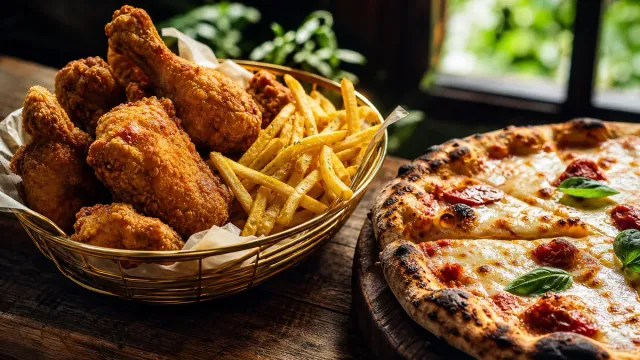
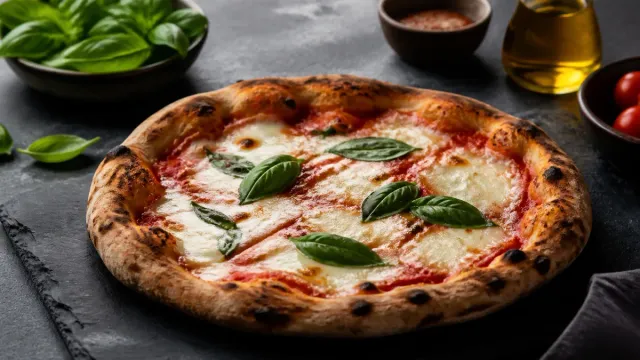
Some foods look great in almost any photo. Burgers, pizza, fried food, and glossy sauces are not on that list. Learning how to photograph burgers, pizza, and fried food on a phone…
Dark and moody food photography is the look that makes a dish feel rich, premium, and crave-worthy — deep shadows, one dramatic light, and food that glows against a dark background.…
Done well, flat lay food photography is the fastest way to make a bowl, a salad, a pizza, or a platter look organized, abundant, and instantly appetizing. Done badly, it looks flat,…
The fastest way to make a menu photo look cheap is a distracting background. The fastest way to make it look professional costs almost nothing: a single, consistent, budget food…
You don’t need to master manual mode to take great menu photos. If you shoot with a camera — or your phone’s Pro mode — a handful of simple camera settings produce sharp, clean,…